Texas · Deer-Resistant
Deer-Resistant Native Plants for Texas
Updated 2026-09-11
Deer will eat almost anything if they're hungry enough, so no plant on this list, or anywhere else, is truly deer-proof. "Deer-resistant" means deer tend to leave it alone when better food is around, usually because of a strong scent, fuzzy or leathery leaves, or a taste they find unpleasant. The 51 species here span nearly every plant type on the site, from shade trees to groundcovers, so there's a deer-resistant option for almost any spot in a Texas yard.
51 plants
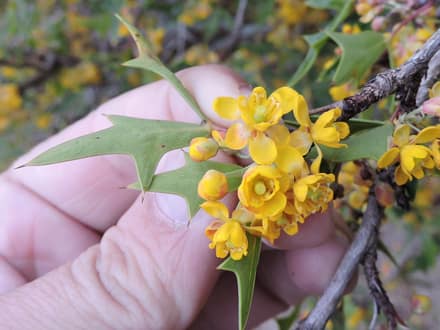
Agarita
Berberis trifoliolata
A spiny blue-grey evergreen that bees swarm in late winter and birds nest inside for protection.
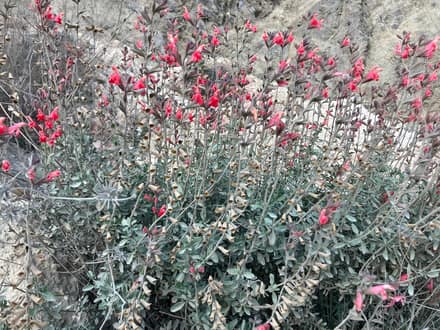
Autumn Sage
Salvia greggii
The workhorse of the water-wise Texas garden: a small evergreen shrub that blooms nearly year-round and shrugs off heat, drought, and deer..
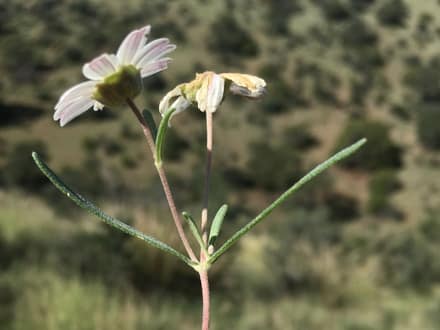
Blackfoot Daisy
Melampodium leucanthum
A tidy mound smothered in honey-scented white daisies for most of the year.
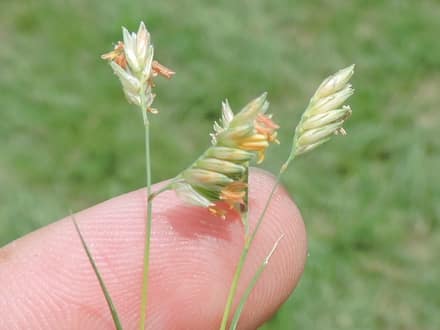
Buffalograss
Bouteloua dactyloides
North America's true native turf grass — a fine, soft, blue-green sod that forms a low lawn on a fraction of the water Bermuda or St.
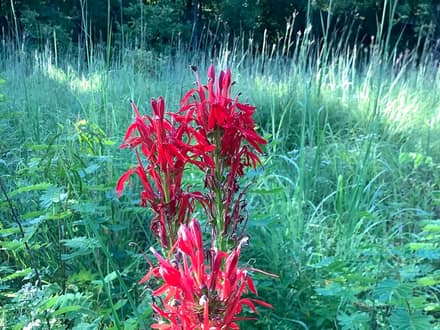
Cardinal Flower
Lobelia cardinalis
Spikes of the most intense scarlet of any native flower, rising from moist shade in late summer.
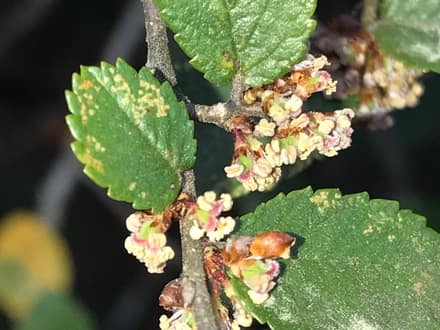
Cedar Elm
Ulmus crassifolia
The toughest large shade tree for central Texas — takes heavy clay, drought, and heat, then turns gold in fall.
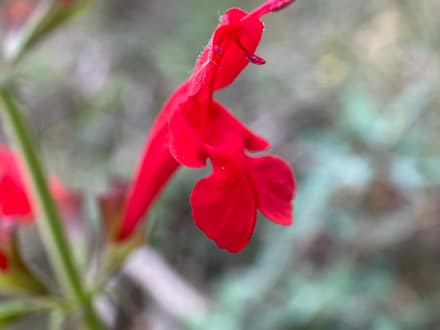
Cedar Sage
Salvia roemeriana
A little scarlet sage made for the dry shade under cedar and oak — one of the few natives that lights up those difficult spots with true red bloom..
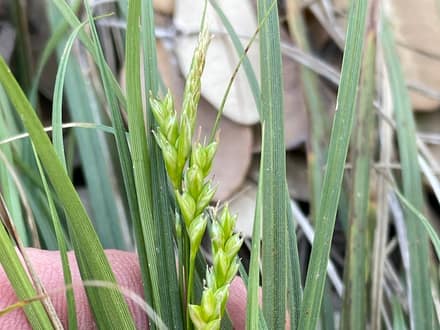
Cedar Sedge
Carex planostachys
A fine, arching native sedge that forms a soft green carpet in the dry shade beneath cedars and oaks — one of the very few things that will grow, and hold soil, there..
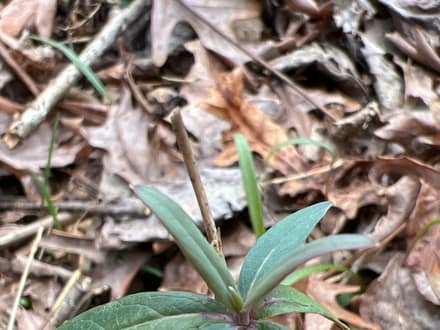
Coral Honeysuckle
Lonicera sempervirens
A well-behaved native vine — none of the invasive habit of Japanese honeysuckle — with clusters of coral trumpets that hummingbirds cannot resist..
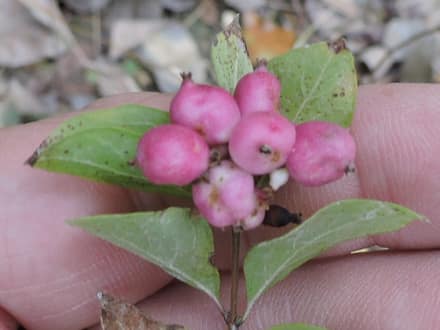
Coralberry
Symphoricarpos orbiculatus
A modest suckering shrub for shade that comes into its own in fall, when the arching branches string themselves with clusters of coral-pink berries the birds strip by spring..
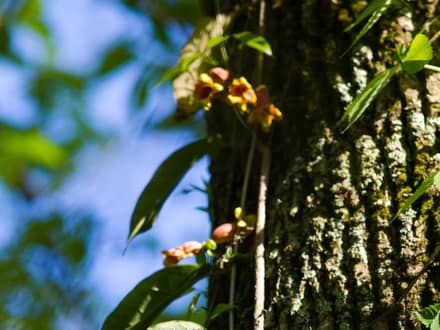
Crossvine
Bignonia capreolata
A vigorous semi-evergreen climber that covers a fence or arbor in orange-red trumpets in early spring — timed for the first returning hummingbirds.
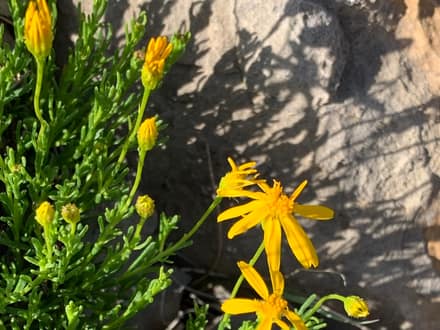
Damianita
Chrysactinia mexicana
A low evergreen cushion of fine, aromatic foliage smothered in golden daisies in spring and again in fall.
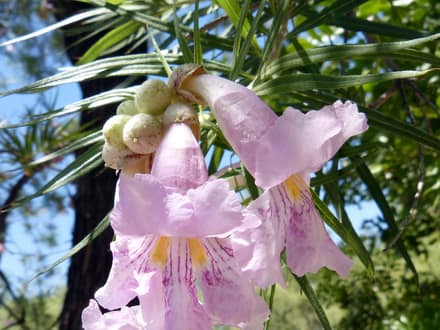
Desert Willow
Chilopsis linearis
A slender desert tree that produces orchid-like trumpet flowers all summer on almost no water.
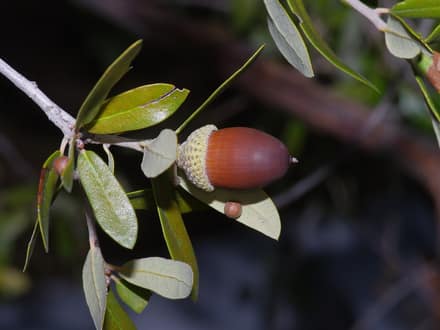
Escarpment Live Oak
Quercus fusiformis
The iconic sprawling evergreen oak of the Hill Country, holding its leaves through winter and dropping acorns that feed everything from jays to deer..
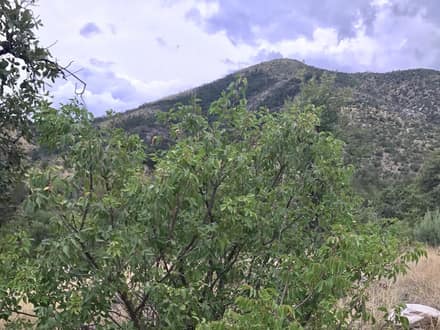
Evergreen Sumac
Rhus virens
A lush, glossy evergreen that looks far too refined for how tough it is — a superb native screen or hedge that bees work in late summer and birds fruit on in fall..
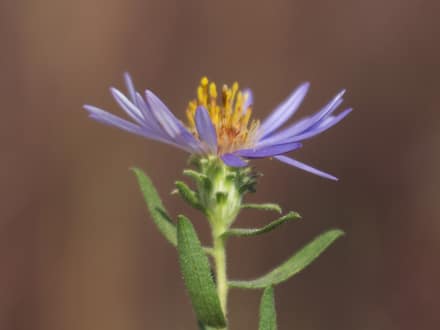
Fall Aster
Symphyotrichum oblongifolium
A mounding aster that vanishes into the background all summer, then bursts into a haze of blue-purple daisies in October — a lifeline of late nectar for pollinators..
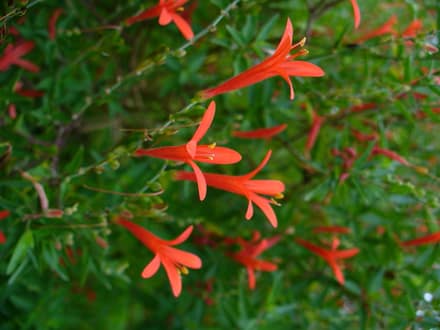
Flame Acanthus
Anisacanthus quadrifidus var. wrightii
A wispy, tough shrub that throws tubular orange-red flowers through the worst of the summer heat — exactly when hummingbirds are fueling up for migration..
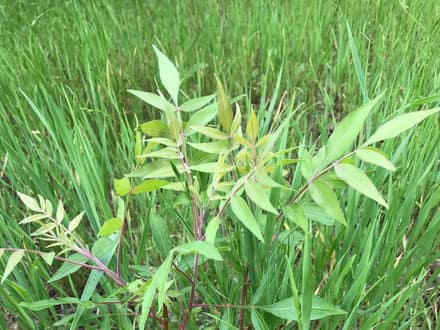
Flameleaf Sumac
Rhus lanceolata
A small native tree grown for the best red-orange fall color in central Texas, plus summer flower panicles for bees and red berry clusters that feed birds into winter..
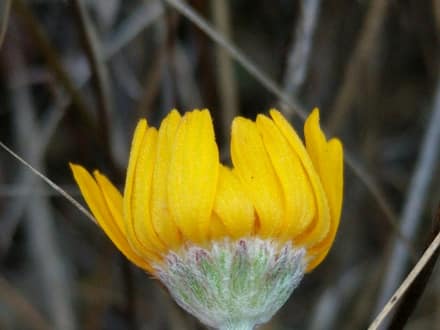
Four-nerve Daisy
Tetraneuris scaposa
A tidy evergreen tuft that lofts cheerful yellow daisies on wiry stems in nearly every month of the year.
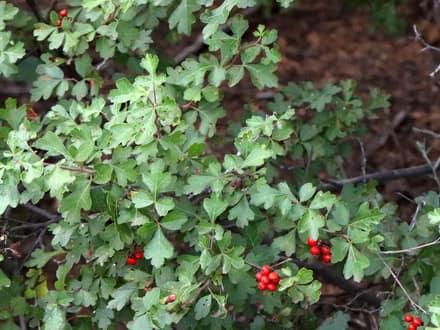
Fragrant Sumac
Rhus aromatica
A low, spreading shrub that blazes orange-red in fall and holds slopes with its suckering roots.
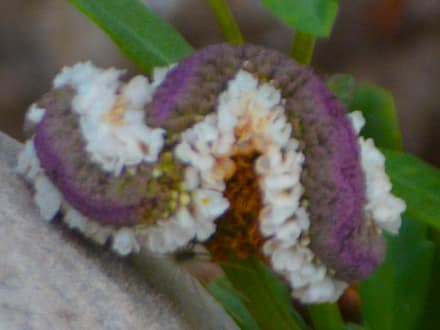
Frogfruit
Phyla nodiflora
A flat, spreading mat that takes light foot traffic and blooms with tiny pollinator flowers — the leading native lawn substitute for sun to part shade in Texas..
Gayfeather
Liatris mucronata
Spires of feathery purple that open top-down in fall, when Monarchs are moving through and desperate for nectar.
Gregg's Dalea
Dalea greggii
A silvery, trailing groundcover that spills over walls and banks and dots itself with small purple flowers.
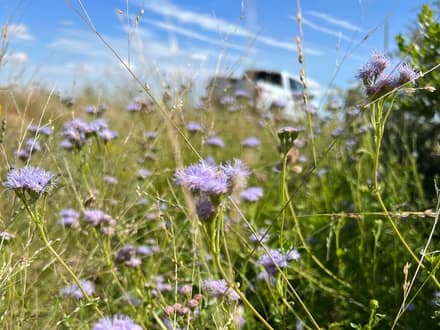
Gregg's Mistflower
Conoclinium greggii
A butterfly magnet without equal — its fuzzy blue flowers are the single best plant for pulling Queen and Monarch butterflies into a Texas garden..
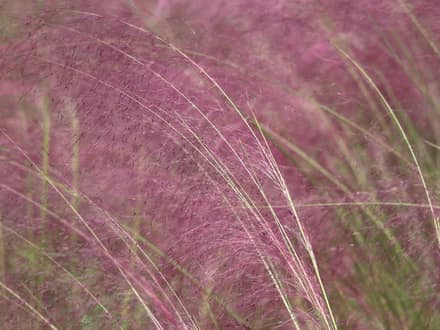
Gulf Muhly
Muhlenbergia capillaris
For a few weeks each fall this clump grass erupts into a cloud of glowing pink — the most spectacular native ornamental grass for the South..
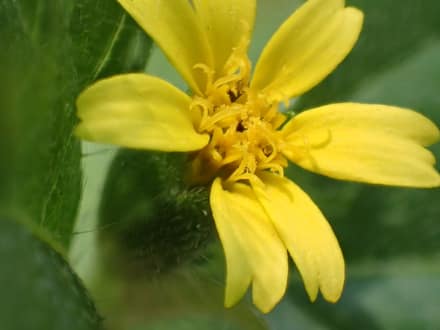
Horseherb
Calyptocarpus vialis
A soft, low groundcover that quietly replaces lawn in the shade where turf fails, threading tiny yellow flowers through its foliage for pollinators nearly year-round..
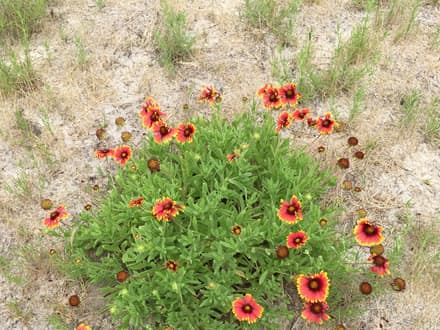
Indian Blanket
Gaillardia pulchella
The red-and-gold pinwheel daisy that blankets Texas roadsides all summer.
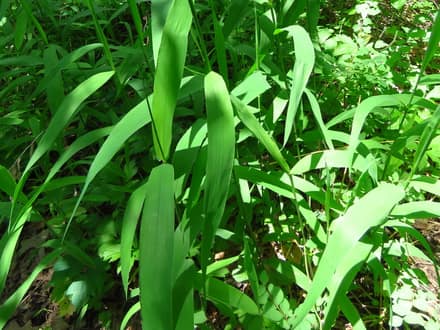
Inland Sea Oats
Chasmanthium latifolium
The rare ornamental grass that thrives in shade, dangling flat, papery seed heads that shift from green to bronze and rustle all winter.
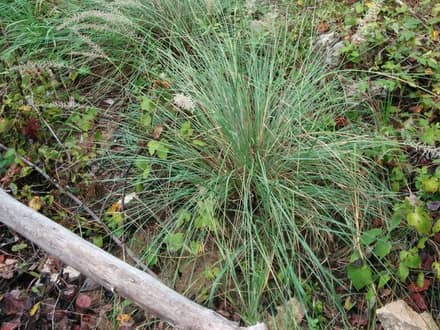
Lindheimer's Muhly
Muhlenbergia lindheimeri
A big, fountain-shaped clump grass topped with silver-blond plumes in fall.
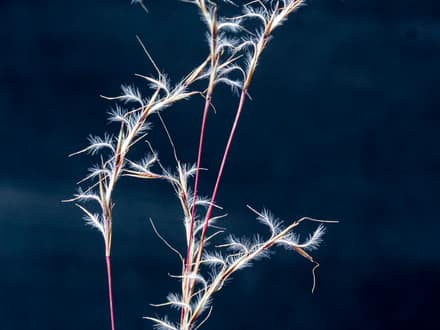
Little Bluestem
Schizachyrium scoparium
The backbone grass of the American prairie, turning coppery-mahogany in fall and silver-tufted in winter.
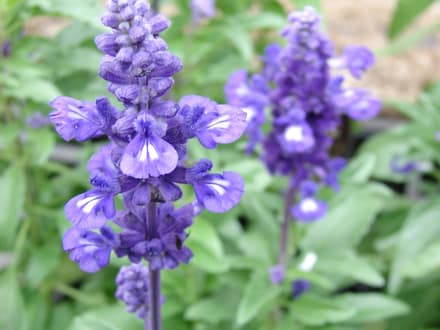
Mealy Blue Sage
Salvia farinacea
Spikes of soft blue that hum with bees from spring to frost.
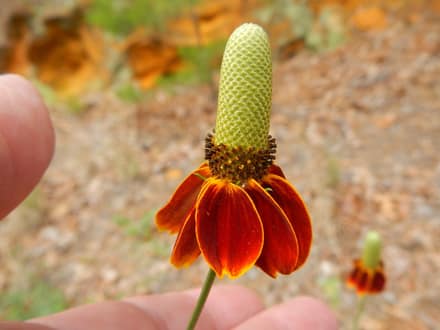
Mexican Hat
Ratibida columnifera
A whimsical prairie flower whose drooping petals form a sombrero beneath a tall central cone.
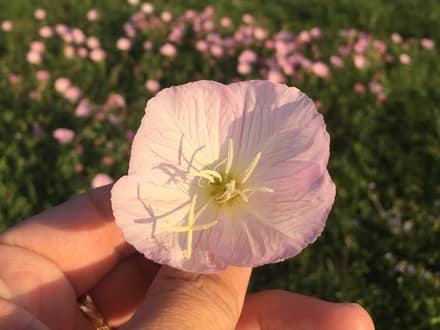
Pink Evening Primrose
Oenothera speciosa
The pink cups that wash over Texas fields and roadsides in spring.
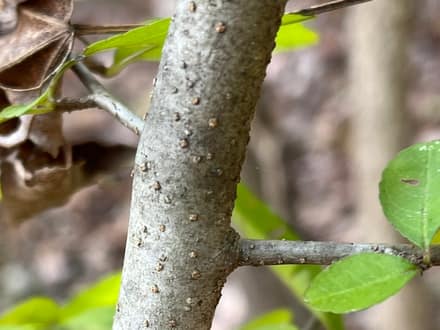
Possumhaw Holly
Ilex decidua
Drops its leaves in fall to reveal branches packed with scarlet berries that glow through winter and feed cedar waxwings and robins in late season..
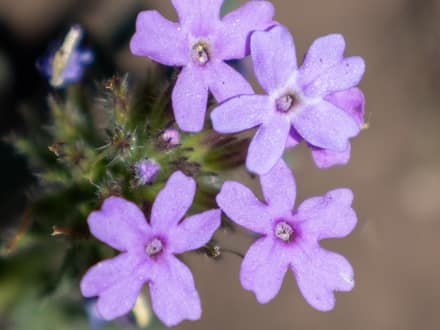
Prairie Verbena
Glandularia bipinnatifida
A low, spreading mat of purple flower clusters that bloom nearly nonstop and draw butterflies constantly.
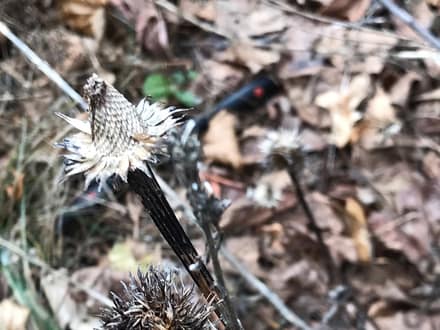
Purple Coneflower
Echinacea purpurea
A prairie staple whose big rosy daisies feed butterflies in summer and finches in winter.
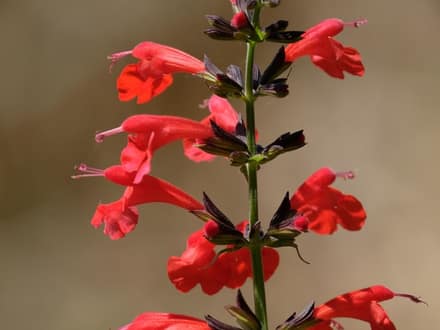
Scarlet Sage
Salvia coccinea
An easy reseeding sage that blooms scarlet from spring to frost, even in part shade — one of the few hummingbird plants that flowers reliably out of full sun..
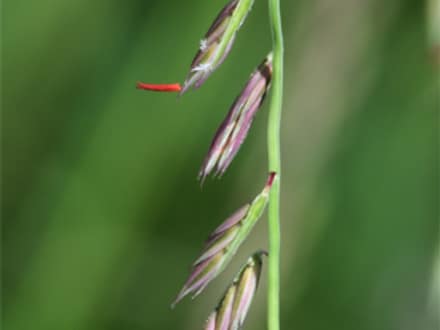
Sideoats Grama
Bouteloua curtipendula
The state grass of Texas, hanging its tiny oat-like seeds along one side of each stem, tinged with orange-red pollen.
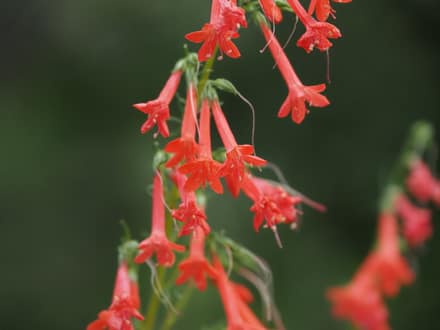
Standing Cypress
Ipomopsis rubra
A tall biennial spike of fiery red tubular flowers that hummingbirds chase up and down.
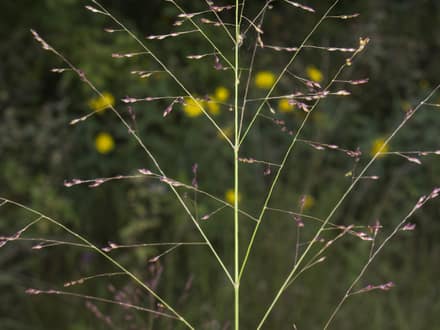
Switchgrass
Panicum virgatum
An upright prairie grass with airy pink-bronze seed clouds and gold fall color.
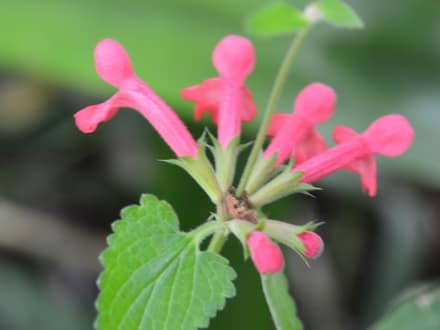
Texas Betony
Stachys coccinea
Soft mounds of felted leaves send up scarlet flower spikes for months, thriving in the part shade where few hummingbird plants will bloom..
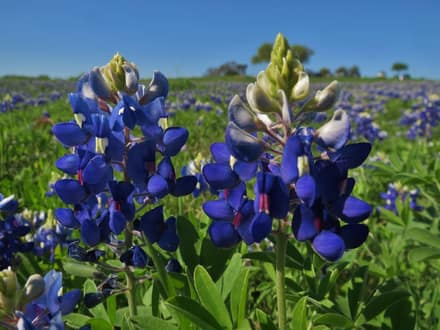
Texas Bluebonnet
Lupinus texensis
The Texas state flower — a spring-blooming annual lupine that carpets roadsides in cobalt blue.
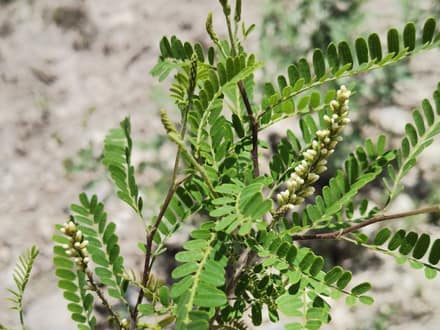
Texas Kidneywood
Eysenhardtia texana
An airy shrub that throws spikes of vanilla-scented white flowers after every rain, drawing clouds of bees and butterflies.
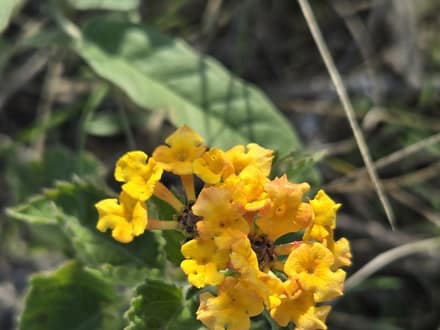
Texas Lantana
Lantana urticoides
The true native lantana, with orange-and-yellow clusters that never stop through summer heat.
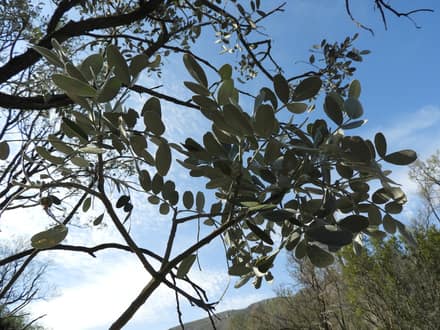
Texas Mountain Laurel
Dermatophyllum secundiflorum
A slow-growing evergreen with glossy leaves and drooping clusters of purple flowers that smell exactly like grape soda each spring.
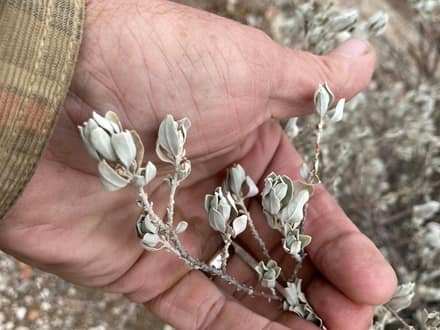
Texas Sage
Leucophyllum frutescens
A silver-leaved desert shrub that bursts into purple bloom after rain — earning its nickname 'barometer bush.' Thrives on neglect in the hottest, driest corners of a Texas yard..
Wax Myrtle
Morella cerifera
A fast, dense, aromatic evergreen that makes an ideal privacy screen and fixes its own nitrogen.
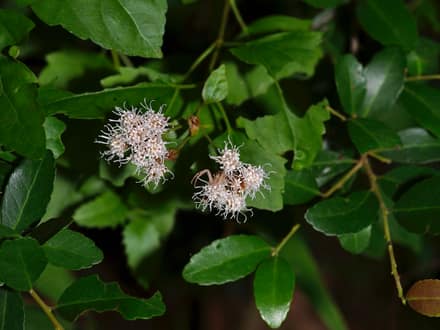
White Mistflower
Ageratina havanensis
A rounded shrub that erupts in fragrant, frothy white bloom in autumn — perfectly timed for migrating Monarchs, which can cover it in numbers..
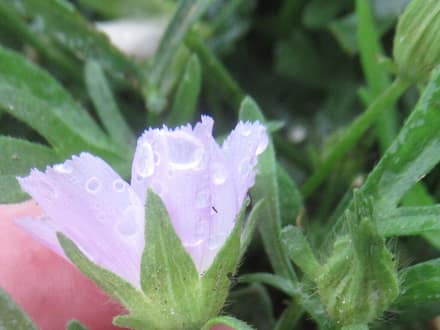
Winecup
Callirhoe involucrata
A sprawling perennial that spills chalice-shaped magenta flowers across the ground each spring.
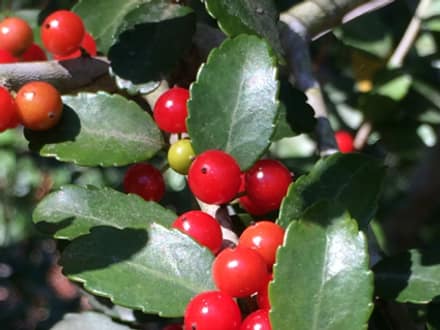
Yaupon Holly
Ilex vomitoria
An adaptable evergreen holly that takes sun or deep shade, wet or dry, and covers itself in translucent red berries that hold all winter for the birds.
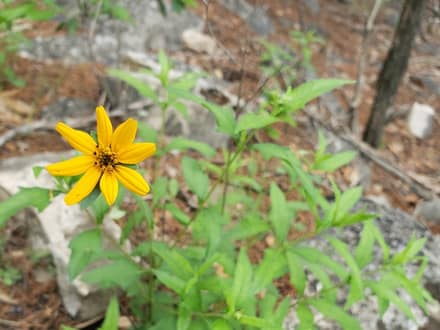
Zexmenia
Wedelia acapulcensis var. hispida
A tough, low mound of orange-gold daisies that blooms right through the summer with no help at all.
How deer resistance actually works
Most of the plants on this page fall into one of three groups: strongly aromatic shrubs like agarita, texas sage, and damianita, whose oils mask the flavor deer are after; tough or fuzzy-leaved perennials like blackfoot daisy and four-nerve daisy, which are more work to chew than deer bother with; and the native grasses, which deer generally pass over in favor of broadleaf plants when there's a choice. None of that protection is absolute. A new transplant with tender growth is at risk regardless of species, and deer pressure varies enormously by neighborhood and by how hungry the local population is in a given year. Fencing or repellent is still the only real guarantee for a young planting's first year or two.
Deer resistance by plant type
Nearly every category on this site has a deer-resistant option: shrubs like evergreen sumac, fragrant sumac, and texas mountain laurel; shade and understory trees like cedar elm and desert willow; every native grass carried on the site, including buffalograss and little bluestem; and groundcovers like frogfruit and horseherb. Wildflowers are more mixed. Texas bluebonnet and mexican hat are usually left alone, but a hungry deer population will still test almost anything in bloom, which is why even a "resistant" wildflower bed can take some damage in a bad year.
FAQ
Are any native Texas plants completely deer-proof?
No. Deer resistance is relative, not absolute. Every plant on this page is one deer tend to avoid when other food is available, not one they'll never touch.
Do deer eat native grasses?
Rarely. All the native grasses carried on this site are tagged deer-resistant, and grasses in general are a low priority for deer compared to broadleaf plants and flowers.
How do I protect a new planting from deer while it establishes?
Fencing or a repellent spray for the first year or two is the most reliable option, even for species on this list. New transplants with tender growth are vulnerable regardless of how deer-resistant the mature plant becomes.