Groundcover · Deer-resistant
Gregg's Dalea
Dalea greggii
Also called: Black Dalea, Gregg's Prairie Clover
Updated 2026-09-23
A silvery, trailing groundcover that spills over walls and banks and dots itself with small purple flowers. Among the most heat- and drought-proof natives for covering hot ground.
Gregg's dalea comes from the rocky limestone hills of the Chihuahuan Desert, and it still gardens like it: a low, sprawling mat of fine gray-green foliage that spreads three to five feet wide while staying under a foot tall, studded with tiny purple pea-like blooms and needing almost no water once it's settled in. Its native range is narrower than most plants on this site, centered on West Texas, which is worth knowing when deciding how much summer water it actually needs where you garden.
Growing & care
Wants full sun and sharp drainage; rots if overwatered. Excellent on slopes and rock walls. Trim edges to keep it in bounds.
Where Gregg's dalea grows in Texas
Its home ground is the Chihuahuan Desert of West Texas, on rocky, limestone hills between roughly 2,000 and 5,000 feet elevation. In Central and South Texas gardens outside that native range, it still performs well as long as drainage is sharp, but it benefits from being treated more like the desert plant it is than like a typical Hill Country perennial.
How to plant Gregg's dalea
Plant in full sun to light part shade, in soil that drains fast: gravelly, rocky, or limestone ground is ideal, and heavy clay is the one thing it doesn't tolerate well. Propagate from semi-hardwood cuttings with a few leaf nodes, dipped in rooting hormone and set into a well-draining mix.
Watering Gregg's dalea the first year
In its native West Texas climate it takes some irrigation through summer, no more than about twice a month, to get established and keep performing. In a wetter part of the state it needs even less once rooted in, since ambient rainfall does more of the work.
Gregg's Dalea care through the seasons
It dies back after the first hard frost, behaving as a deciduous perennial rather than staying evergreen through winter, and returns from the base in spring. Trim the edges back if it's spreading further than you want; otherwise it needs little attention beyond making sure it never sits in soggy ground.
Common Gregg's dalea problems
Good drainage is non-negotiable. In regions with wet winters or heavy clay, it's prone to rotting at the crown, which is the most common way gardeners lose it. On a slope or in a rock garden, where water moves through fast, this is rarely an issue.
Wildlife value of Gregg's dalea
Its small purple flowers draw bees and butterflies for nectar and pollen, and the plant supports birds and small mammals through the seed that follows bloom.
Using Gregg's dalea in the garden
Use it on a rocky slope, spilling over a retaining wall, or as groundcover on hot, exposed ground where few other plants stay this low and this drought-tolerant. It's also a fit for a container, given its trailing habit and tolerance for tight, fast-draining soil.
Gregg's Dalea FAQ
Is Gregg's dalea native to all of Texas?
No, its natural range is the Chihuahuan Desert of West Texas, on rocky limestone ground. It still grows well as a garden plant elsewhere in the state, provided the soil drains sharply.
Why did my Gregg's dalea die over winter?
Wet, heavy soil is the most common cause of root or crown rot, especially over winter. It needs fast-draining ground; heavy clay that stays damp is the condition it tolerates least.
Does Gregg's dalea stay green in winter?
No, it dies back to the base after the first hard frost and returns from the roots in spring, more like a typical deciduous perennial than an evergreen groundcover.
Bloom season
In bloom: Apr–Aug · Colors: purple
Where to buy
Look for gregg's dalea (Dalea greggii) at: native Texas nurseries.
Guides featuring Gregg's dalea
Sources
Range, nomenclature, and the USDA symbol above come from the federal plant record for this species. Check it yourself:
Good for
Plant it with
Natives that pair with gregg's dalea
Same conditions, same uses — species that share gregg's dalea's growing requirements and belong in the same bed.
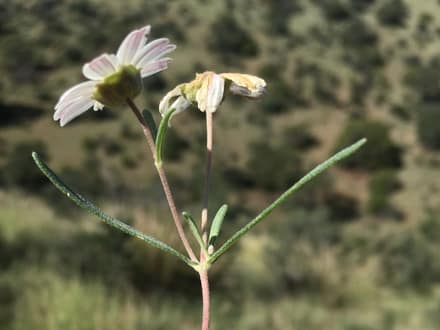
Blackfoot Daisy
Melampodium leucanthum
A tidy mound smothered in honey-scented white daisies for most of the year.
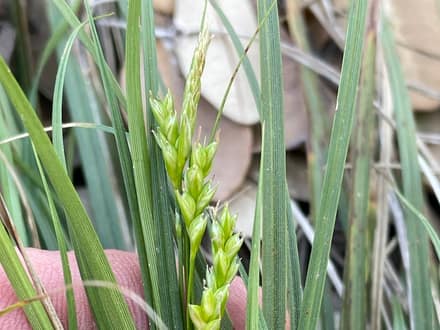
Cedar Sedge
Carex planostachys
A fine, arching native sedge that forms a soft green carpet in the dry shade beneath cedars and oaks — one of the very few things that will grow, and hold soil, there..
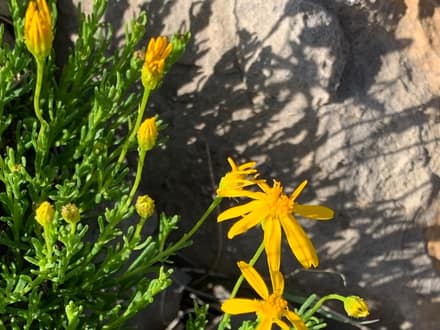
Damianita
Chrysactinia mexicana
A low evergreen cushion of fine, aromatic foliage smothered in golden daisies in spring and again in fall.
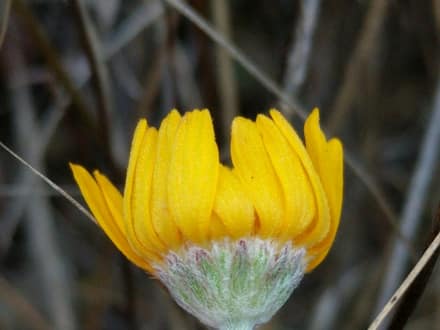
Four-nerve Daisy
Tetraneuris scaposa
A tidy evergreen tuft that lofts cheerful yellow daisies on wiry stems in nearly every month of the year.
Fragrant Sumac
Rhus aromatica
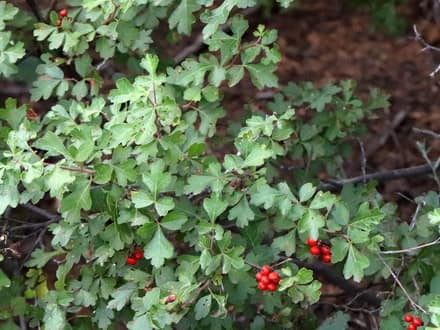
A low, spreading shrub that blazes orange-red in fall and holds slopes with its suckering roots.
Frogfruit
Phyla nodiflora
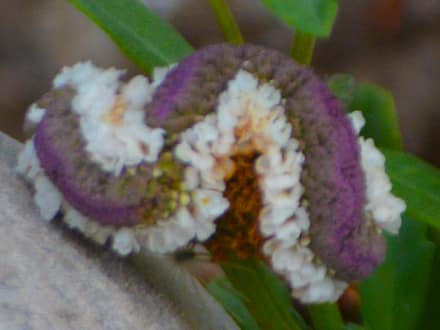
A flat, spreading mat that takes light foot traffic and blooms with tiny pollinator flowers — the leading native lawn substitute for sun to part shade in Texas..