Texas · Groundcovers
Groundcovers Native to Texas
Updated 2026-09-11
The 13 species here spread low and wide instead of growing upright, which makes them useful for the jobs a taller plant can't do: filling bare ground under trees, edging a bed without a hard border, holding a slope against erosion, or replacing a strip of lawn that's too small or awkward to mow. Several tolerate at least light foot traffic, and a few are shade-tolerant enough to work where grass has already failed.
13 plants
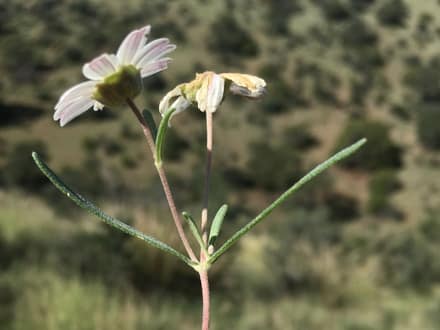
Blackfoot Daisy
Melampodium leucanthum
A tidy mound smothered in honey-scented white daisies for most of the year.
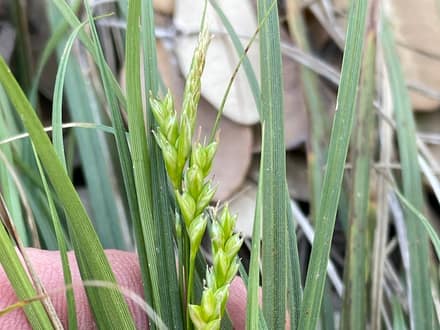
Cedar Sedge
Carex planostachys
A fine, arching native sedge that forms a soft green carpet in the dry shade beneath cedars and oaks — one of the very few things that will grow, and hold soil, there..
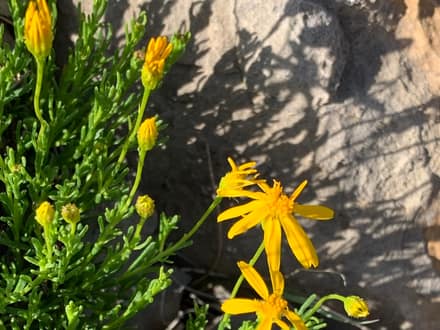
Damianita
Chrysactinia mexicana
A low evergreen cushion of fine, aromatic foliage smothered in golden daisies in spring and again in fall.
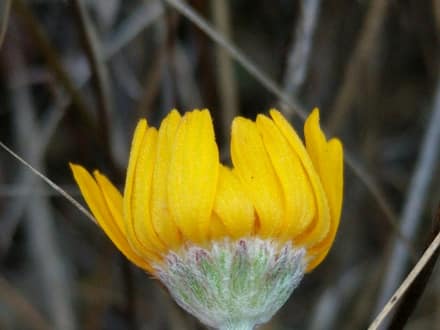
Four-nerve Daisy
Tetraneuris scaposa
A tidy evergreen tuft that lofts cheerful yellow daisies on wiry stems in nearly every month of the year.
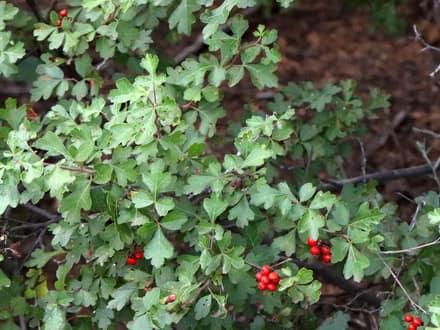
Fragrant Sumac
Rhus aromatica
A low, spreading shrub that blazes orange-red in fall and holds slopes with its suckering roots.
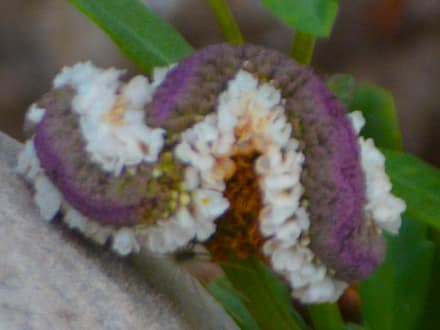
Frogfruit
Phyla nodiflora
A flat, spreading mat that takes light foot traffic and blooms with tiny pollinator flowers — the leading native lawn substitute for sun to part shade in Texas..
Gregg's Dalea
Dalea greggii
A silvery, trailing groundcover that spills over walls and banks and dots itself with small purple flowers.
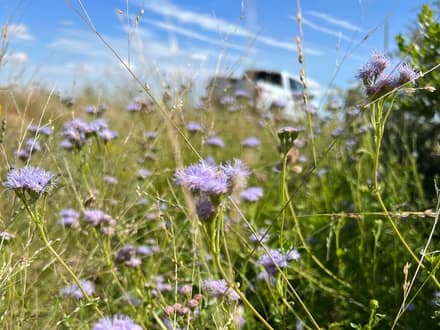
Gregg's Mistflower
Conoclinium greggii
A butterfly magnet without equal — its fuzzy blue flowers are the single best plant for pulling Queen and Monarch butterflies into a Texas garden..
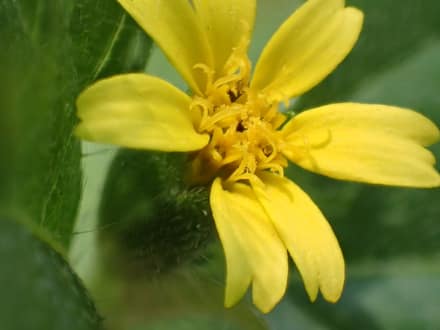
Horseherb
Calyptocarpus vialis
A soft, low groundcover that quietly replaces lawn in the shade where turf fails, threading tiny yellow flowers through its foliage for pollinators nearly year-round..
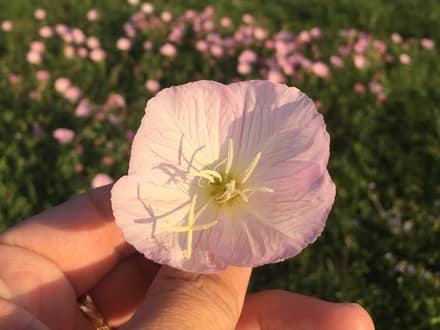
Pink Evening Primrose
Oenothera speciosa
The pink cups that wash over Texas fields and roadsides in spring.
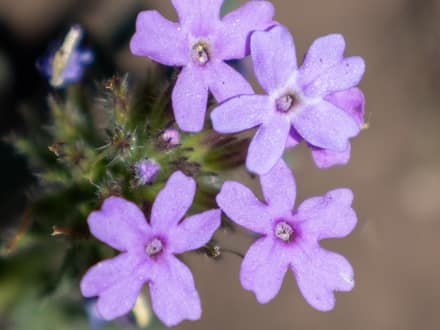
Prairie Verbena
Glandularia bipinnatifida
A low, spreading mat of purple flower clusters that bloom nearly nonstop and draw butterflies constantly.
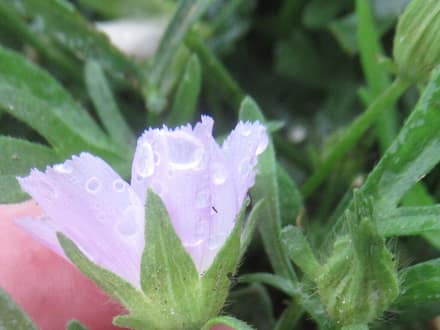
Winecup
Callirhoe involucrata
A sprawling perennial that spills chalice-shaped magenta flowers across the ground each spring.
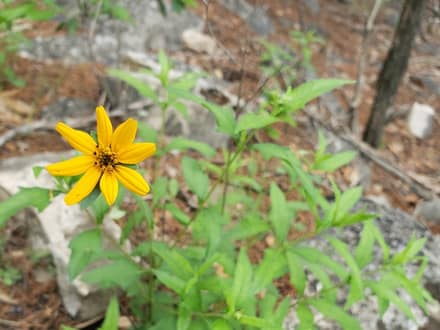
Zexmenia
Wedelia acapulcensis var. hispida
A tough, low mound of orange-gold daisies that blooms right through the summer with no help at all.
Sun groundcovers vs. shade groundcovers
Frogfruit, winecup, prairie verbena, and gregg's dalea all want full sun and spread fastest there, making them the better choice for a hot, open strip like a hell strip or a sunny slope. Horseherb and cedar sedge go the other way, tolerating part shade to full shade where most groundcovers thin out, which makes them one of the few reliable options for filling in under a tree canopy. Frogfruit in particular tolerates occasional foot traffic once established, which is part of why it shows up as a lawn-substitute recommendation in the site's lawn replacement guide.
Groundcovers for erosion and bare-slope coverage
Blackfoot daisy, four-nerve daisy, and damianita all hold rocky or thin soil in place with a dense, low mound rather than a spreading mat, which suits a slope or a caliche bank better than a true creeper would. Pink evening primrose spreads more aggressively by rhizome and covers ground faster than any of the mounding types, useful for a larger area that needs filling quickly, though it will need edging to keep it out of neighboring beds.
FAQ
What's a good native groundcover to replace grass in Texas?
Frogfruit is the most lawn-like option, tolerating some foot traffic and mowing, and it's specifically recommended in the site's lawn replacement guide. Horseherb works the same way in shade, where frogfruit performs worse.
Which native groundcovers spread the fastest?
Pink evening primrose spreads quickly by rhizome and can cover a bare area faster than the mounding types like blackfoot daisy or damianita, which stay put more and grow outward more slowly.
Do native groundcovers stop erosion on a slope?
The mounding, dense-rooted types, blackfoot daisy, four-nerve daisy, and damianita, hold thin or rocky slope soil well. For a faster-spreading mat on a slope, pink evening primrose or frogfruit will knit together more quickly.