Groundcover · Deer-resistant
Frogfruit
Phyla nodiflora
Also called: Texas Frogfruit, Turkey Tangle Fogfruit
Updated 2026-09-16
A flat, spreading mat that takes light foot traffic and blooms with tiny pollinator flowers — the leading native lawn substitute for sun to part shade in Texas.
Frogfruit is a flat, creeping groundcover with small toothed leaves and tiny flowers packed into short, rounded spikes, white to pale purple, held just above the leaves. It hugs the ground, roots as it spreads and blooms from March to November.
It is one of the best lawn alternatives for sunny Texas yards. It takes foot traffic, handles both drought and flooding and feeds a surprising number of butterflies. Nurseries often sell it as Texas frogfruit or turkey tangle fogfruit.
Growing & care
Mows fine but rarely needs it. Fills bare ground fast and chokes weeds. Water to establish, then very drought tolerant. Can spread into beds — edge if needed.
Where frogfruit grows in Texas
Frogfruit grows wild across most of the state, including the Gulf Coast, Edwards Plateau, Cross Timbers and South Texas. It shows up in ditches, along roads, in fields and even on coastal dunes. Beyond Texas, its native range includes Oklahoma, Louisiana and the Southwest into California, and the Southeast to Florida. It tolerates caliche, clay, limestone, sand and even salty soil.
How to plant frogfruit
Plant it in full sun to part shade. For a lawn, set plugs 12 to 18 inches apart in spring or early summer once the soil has warmed. It also grows from stem cuttings, division of existing mats or seed sown in spring or fall and kept moist.
Clear existing turf and weeds first, so the young plants are spreading into open soil instead of competing with established grass.
Watering frogfruit the first year
Keep plugs moist for the first three to four weeks while runners form, then water weekly through the first summer. It is drought tolerant once established and goes on rainfall in most years, but it looks greener and flowers more with occasional water in long dry spells.
Frogfruit care through the seasons
Mow it a few times a year if you like a neat look, but not while it is in heavy bloom, or you cut off the flowers the butterflies are using. Edge it where it meets beds. It is semi-evergreen and may go dormant in a cold winter, then green up in spring.
Common frogfruit problems
The most common question is whether frogfruit is invasive. It is native to Texas, so it is not invasive in the ecological sense, but it spreads fast by runners and will move into beds and gravel paths if you let it. An edge or a mowed strip keeps it where you want it.
It can look thin in deep shade and patchy in its first year. Give it a full growing season before judging it.
Wildlife value of frogfruit
Frogfruit is a larval host for the phaon crescent, common buckeye and white peacock butterflies, according to the Native Plant Society of Texas. The flowers are a nectar source for butterflies and bees, and they also draw hummingbirds and beneficial insects. A frogfruit lawn in bloom is rarely quiet.
Using frogfruit in the garden
Use it as a lawn replacement in sun, between stepping stones, on a slope to control erosion, in a low spot that floods and dries out, or as a living mulch under taller perennials. It also works in containers, where it trails over the edge. In shade, horseherb and cedar sedge do the same job better.
Because it tolerates saline soil and both flooding and drought, it is a good fit for coastal yards and for the strip along a driveway where runoff collects after storms and then bakes dry. A mix of frogfruit and horseherb covers a yard that runs from sun into shade.
Frogfruit FAQ
Is frogfruit invasive?
No, it is native to Texas. It does spread quickly by runners, so edge it where it meets beds.
Is frogfruit a host plant?
Yes. It hosts caterpillars of the phaon crescent, common buckeye and white peacock butterflies.
Can you walk on frogfruit?
Yes. It handles light to moderate foot traffic, which is why it is used as a lawn alternative.
What is the native range of frogfruit?
Most of Texas, plus neighboring states and a wide band of the southern U.S. from California to Florida.
Can I mow frogfruit?
Yes, but avoid mowing while it is flowering heavily so pollinators keep their food source.
Bloom season
In bloom: Mar–Nov · Colors: white, pink
Where to buy
Look for frogfruit (Phyla nodiflora) at: native Texas nurseries, Prairie Moon Nursery.
Guides featuring frogfruit
- How to Replace Your Lawn With Native Plants in Texas
- The Best Native Plants for Clay Soil in Texas
- Native Alternatives to Common Non-Native Plants in Texas
- Texas Native Plant Calendar: What to Plant, Sow and Prune by Season
Sources
Range, nomenclature, and the USDA symbol above come from the federal plant record for this species. Check it yourself:
Good for
Plant it with
Natives that pair with frogfruit
Same conditions, same uses — species that share frogfruit's growing requirements and belong in the same bed.
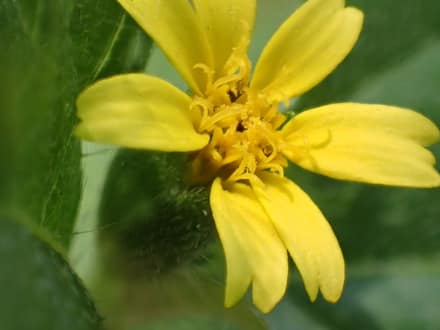
Horseherb
Calyptocarpus vialis
A soft, low groundcover that quietly replaces lawn in the shade where turf fails, threading tiny yellow flowers through its foliage for pollinators nearly year-round..
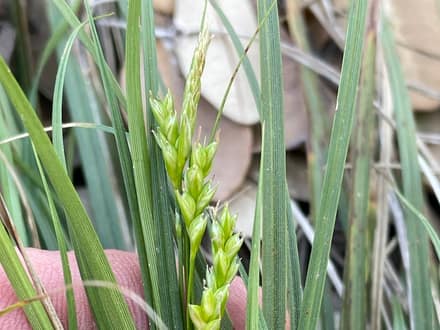
Cedar Sedge
Carex planostachys
A fine, arching native sedge that forms a soft green carpet in the dry shade beneath cedars and oaks — one of the very few things that will grow, and hold soil, there..
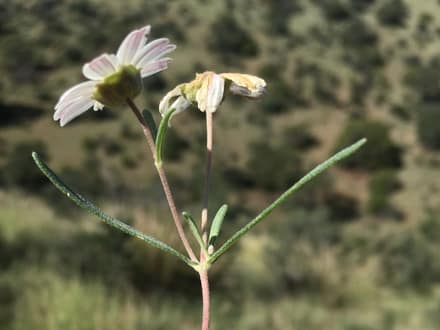
Blackfoot Daisy
Melampodium leucanthum
A tidy mound smothered in honey-scented white daisies for most of the year.
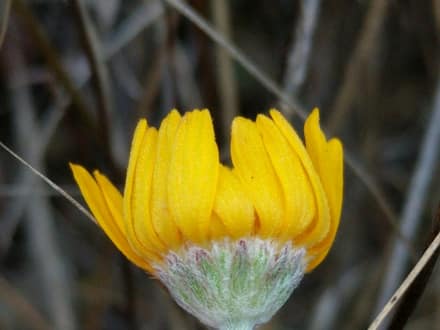
Four-nerve Daisy
Tetraneuris scaposa
A tidy evergreen tuft that lofts cheerful yellow daisies on wiry stems in nearly every month of the year.
Fragrant Sumac
Rhus aromatica
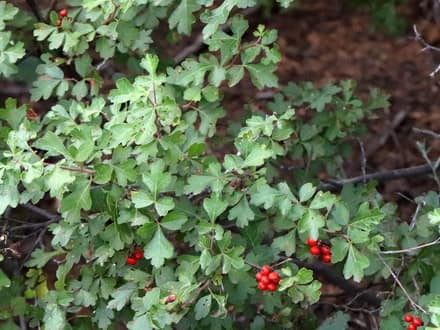
A low, spreading shrub that blazes orange-red in fall and holds slopes with its suckering roots.
Gregg's Dalea
Dalea greggii
A silvery, trailing groundcover that spills over walls and banks and dots itself with small purple flowers.