Texas · For Dry Shade
Native Plants for Dry Shade in Texas
Updated 2026-09-11
Dry shade, the ground under a mature live oak or cedar where roots take every drop of water before it reaches anything else, is the hardest planting spot in a Texas yard. The 9 species here are the toughest of the site's shade-tolerant plants, the ones that hold up to root competition and low water at the same time rather than just tolerating low light.
9 plants
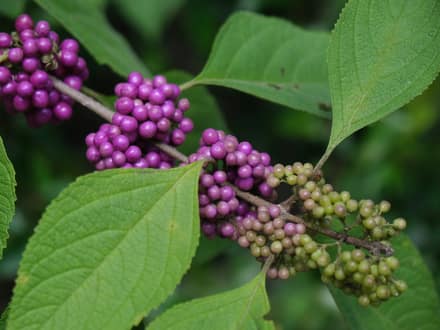
American Beautyberry
Callicarpa americana
Grown for its show-stopping clusters of electric-purple berries in fall — a feast for mockingbirds and dozens of other birds — on a graceful arching shrub..
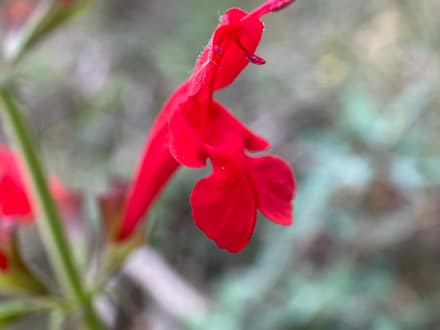
Cedar Sage
Salvia roemeriana
A little scarlet sage made for the dry shade under cedar and oak — one of the few natives that lights up those difficult spots with true red bloom..
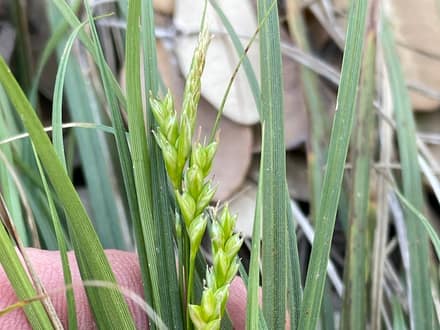
Cedar Sedge
Carex planostachys
A fine, arching native sedge that forms a soft green carpet in the dry shade beneath cedars and oaks — one of the very few things that will grow, and hold soil, there..
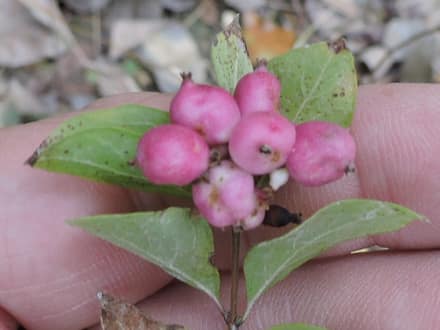
Coralberry
Symphoricarpos orbiculatus
A modest suckering shrub for shade that comes into its own in fall, when the arching branches string themselves with clusters of coral-pink berries the birds strip by spring..
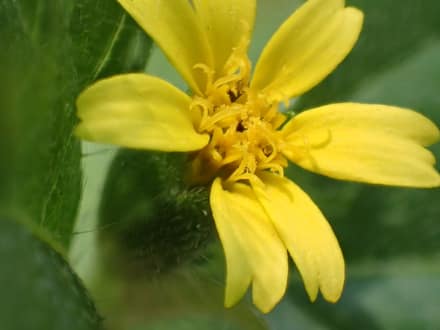
Horseherb
Calyptocarpus vialis
A soft, low groundcover that quietly replaces lawn in the shade where turf fails, threading tiny yellow flowers through its foliage for pollinators nearly year-round..
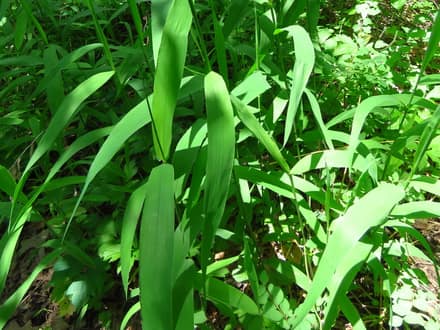
Inland Sea Oats
Chasmanthium latifolium
The rare ornamental grass that thrives in shade, dangling flat, papery seed heads that shift from green to bronze and rustle all winter.
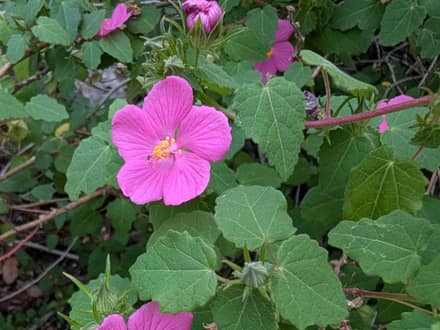
Rock Rose
Pavonia lasiopetala
A soft, ever-blooming little shrub-perennial covered in pink hibiscus-like flowers that open each morning.
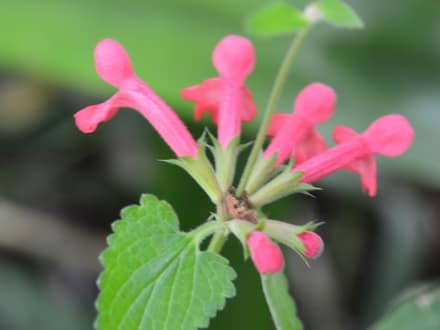
Texas Betony
Stachys coccinea
Soft mounds of felted leaves send up scarlet flower spikes for months, thriving in the part shade where few hummingbird plants will bloom..
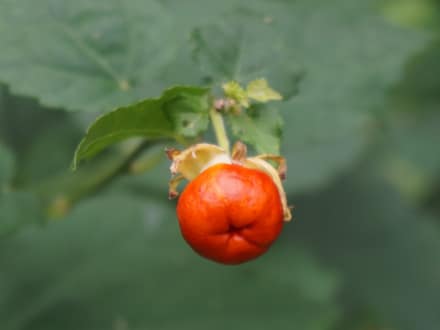
Turk's Cap
Malvaviscus arboreus var. drummondii
The go-to native for shade that still wants color.
Why root competition matters more than light
For the wider list of shade plants, including ones that want more moisture, see the full native plants for shade list; for planting steps under an existing tree, the shade guide has the specifics. A spot can be shady without being dry, and the two problems call for different plants. Under an open-canopy tree with shade but few surface roots nearby, almost anything on the wider shade list will grow. Under a mature live oak or cedar elm, where a dense root mat intercepts water before it reaches new plantings, only the toughest specialists make it. That's why every plant here, aside from american beautyberry and inland sea oats, is rated for low water once established: they're built to get by on whatever the tree roots leave behind.
Getting a new planting through its first summer
The usual first-year watering advice doesn't fully apply under an established tree, because the tree's roots will out-compete a new plant's roots for anything you pour near the trunk. Water a little further out from the tree than you'd expect, and water more often than a normal planting during the first summer, since the soil under a canopy dries out in patches the tree's own roots have already claimed. Once a plant like cedar sage or coralberry is through its first year, it settles into the same low-water routine as everything else on this list.
FAQ
What will grow under a live oak in Texas?
Cedar sage, coralberry, cedar sedge, horseherb, and turk's cap all handle both the shade and root competition under a mature live oak. Grass almost never works in this spot; these natives are a better substitute than trying to keep turf alive there.
Is dry shade harder to plant than wet shade?
Yes. Shade alone just limits light. Dry shade adds root competition from the tree overhead, which is why this list is shorter than the site's full shade list and leans toward low-water, tough-rooted species.
How do I water new plants under a big tree?
Water a bit further from the trunk than usual, since the tree's own roots absorb whatever lands close in, and expect to water more often through the first summer than you would for the same plant in open ground.