Perennial
Rock Rose
Pavonia lasiopetala
Also called: Pavonia, Rose Mallow
Updated 2026-09-23
A soft, ever-blooming little shrub-perennial covered in pink hibiscus-like flowers that open each morning. Reseeds gently and thrives on rocky ground.
Rock rose covers itself in small hibiscus-like flowers that open fresh each morning, on a soft, ever-blooming little shrub built for exactly the hot, rocky ground where the Hill Country's Edwards Plateau native range starts to look inhospitable to most other plants. It's a long bloom season with almost no fuss, which is most of its appeal.
Growing & care
Shear back midseason to keep it full. Loves heat and lean, rocky soil. Reseeds where happy — pull or transplant volunteers as you like.
Where rock rose grows in Texas
The Native Plant Society of Texas lists its native range in the Edwards Plateau ecoregion, including the Balcones Canyonlands, Edwards Plateau Woodland, Llano Uplift and semiarid Edwards Plateau, though it adapts well to a wider range of soil types beyond that native footprint. It grows naturally in dry, rocky woods and slopes, pastures, savannas, ditches, ravines and open woodlands, tolerating caliche, clay, dry, loam or sandy soil.
How to plant rock rose
Plant container stock in fall or spring, in sun or part shade. It tolerates a broader range of soil than its rocky native habitat might suggest, as long as drainage is decent.
Watering rock rose the first year
Keep it watered through its first season, tapering off as roots spread; low water is all it wants once rooted in. It reseeds gently on its own from that point, so expect occasional volunteer seedlings nearby.
Rock Rose care through the seasons
Shear it back midseason to keep it full and compact, since without that reset it can grow loose and open. Pull or transplant volunteer seedlings as they show up, or simply let them fill in where they land.
Common rock rose problems
Mildew can develop, particularly in a shadier spot; moving it toward more sun generally clears it up. Otherwise it's a low-problem plant that tolerates heat and lean, rocky soil without much complaint.
Wildlife value of rock rose
The long bloom season from spring through fall draws butterflies, hummingbirds and moths for nectar, and deer will browse it, which is worth knowing where deer pressure is a factor.
Using rock rose in the garden
Use it as a long-blooming filler in a mixed native bed, along a rocky slope, or anywhere a soft, continuously flowering low shrub is wanted without much upkeep. Its tolerance for both sun and part shade also makes it useful in a spot that doesn't get consistent light all day.
Rock Rose FAQ
Why does my rock rose have powdery mildew?
It's usually a sign the plant is getting less sun than it wants. Rock rose blooms and performs best in full sun, and moving it to a brighter spot, or thinning nearby plants that are shading it, typically clears the mildew up.
How do I keep rock rose from getting leggy?
Shear it back midseason. Without that reset it tends to grow loose and open rather than staying full and compact.
Is rock rose deer resistant?
No, deer will browse it, so expect some damage where deer pressure is heavy in the yard.
Bloom season
In bloom: Apr–Oct · Colors: pink
Where to buy
Look for rock rose (Pavonia lasiopetala) at: native Texas nurseries, Prairie Moon Nursery.
Sources
Range, nomenclature, and the USDA symbol above come from the federal plant record for this species. Check it yourself:
Good for
Plant it with
Natives that pair with rock rose
Same conditions, same uses — species that share rock rose's growing requirements and belong in the same bed.
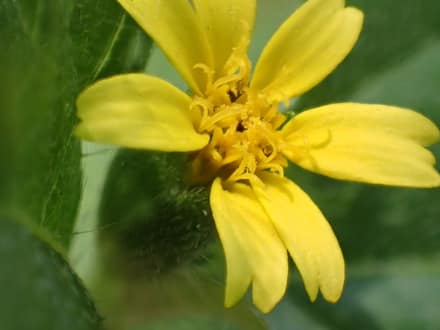
Horseherb
Calyptocarpus vialis
A soft, low groundcover that quietly replaces lawn in the shade where turf fails, threading tiny yellow flowers through its foliage for pollinators nearly year-round..
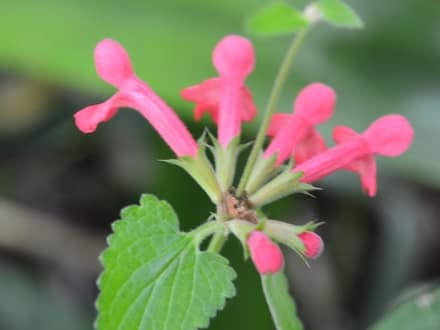
Texas Betony
Stachys coccinea
Soft mounds of felted leaves send up scarlet flower spikes for months, thriving in the part shade where few hummingbird plants will bloom..
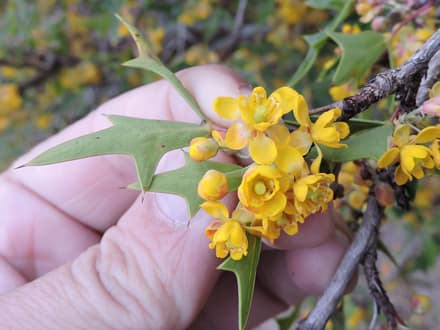
Agarita
Berberis trifoliolata
A spiny blue-grey evergreen that bees swarm in late winter and birds nest inside for protection.
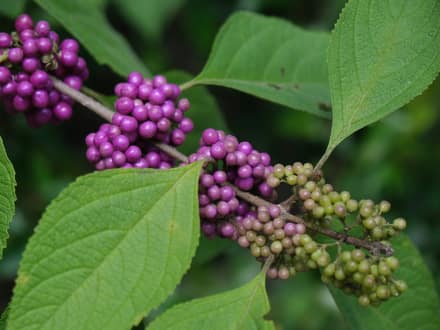
American Beautyberry
Callicarpa americana
Grown for its show-stopping clusters of electric-purple berries in fall — a feast for mockingbirds and dozens of other birds — on a graceful arching shrub..
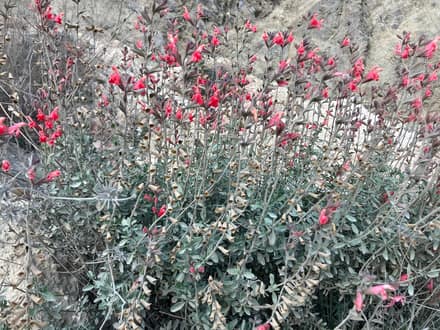
Autumn Sage
Salvia greggii
The workhorse of the water-wise Texas garden: a small evergreen shrub that blooms nearly year-round and shrugs off heat, drought, and deer..
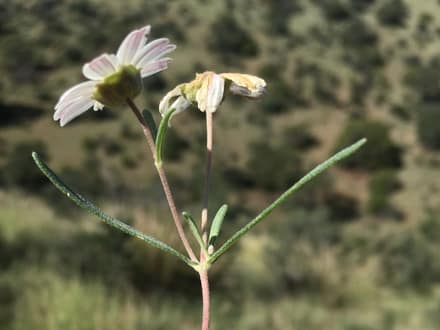
Blackfoot Daisy
Melampodium leucanthum
A tidy mound smothered in honey-scented white daisies for most of the year.