Groundcover · Deer-resistant
Horseherb
Calyptocarpus vialis
Also called: Straggler Daisy, Lawnflower
Updated 2026-09-16
A soft, low groundcover that quietly replaces lawn in the shade where turf fails, threading tiny yellow flowers through its foliage for pollinators nearly year-round.
Horseherb is the low, weedy-looking groundcover that turns up on its own under trees all over Central and South Texas. Some people spend years trying to kill it. Others have figured out that it is the best thing going for the bare dirt under a live oak, where St. Augustine has thinned out and nothing else will hold.
It stays a few inches tall, spreads by runners into a loose carpet, and dots itself with small yellow daisies from March to November. You can mow it and walk on it, and it gets by on very little water. It also goes by straggler daisy and lawnflower.
Growing & care
The go-to native lawn substitute for dry shade under trees. Takes light foot traffic and mows fine. Spreads to fill — welcome it where you want a low green carpet.
Where horseherb grows in Texas
It is native across much of the state, including the Edwards Plateau, Cross Timbers, the Blackland Prairies, the Gulf Coast prairies, South Texas and parts of the Chihuahuan Desert. In practice it does best from the Hill Country south and east, in the shade of oaks and cedar elms. In a cold winter or a long drought it may go dormant and brown, then green up again.
How to plant horseherb
Horseherb takes sun, part shade or shade, and grows in clay, loam or sand. It performs best where there is at least some shade, which is where it fills in thickest.
Nursery flats are the easy start. You can also dig clumps from a friend's yard and replant them, or root 3 to 4 inch stem pieces in a glass of water, which usually takes one to two weeks. Seed is hard to buy because it is hard to collect. One trick from the Native Plant Society of Texas is to mow a patch with a bagging mower and spread the clippings where you want it to grow. Plant pieces about a foot apart; the runners spread quickly and close the gaps.
Watering horseherb the first year
Keep new plugs or cuttings moist for the first few weeks until you see runners, then cut back to a weekly soak through the first summer. After that it lives on rainfall in most of Central Texas.
Horseherb care through the seasons
Mow it during the growing season if you want it to look tidy, or leave it alone. It handles moderate foot traffic. No fertilizer is needed, and extra water mostly just helps the weeds.
If it creeps into a bed where you do not want it, pull the runners. They come up easily.
Common horseherb problems
Too much water is the main thing that hurts it; NC State notes root rot in soggy soil. Otherwise the problem is perception. The same extension service lists it both as a lawn alternative and as a lawn weed, and neighbors may see it as the second. A defined edge and a mowed look go a long way.
Horseherb does not choke out grass. As the Native Plant Society of Texas puts it, the grass thins or dies on its own in the shade and horseherb fills the bare spots.
Wildlife value of horseherb
The small flowers draw butterflies, especially sulphurs and skippers, along with other nectar insects. Because it keeps flowering from March into November, it feeds them in shady corners where little else is in bloom.
Using horseherb in the garden
Use it as the lawn under trees where turf has failed, between stepping stones on a shady path, or as a living mulch under shrubs such as Turk's cap and American beautyberry. For more of a meadow feel, let it grow together with cedar sedge, which likes the same dry shade and has a finer texture.
Is horseherb edible?
The sources disagree. NC State's Plant Toolbox says the leaves can be eaten. The Lady Bird Johnson Wildflower Center's plant experts found no reference documenting it as a food plant, noted it does not appear in the major toxic plant databases, and still advised against eating it. With no real food tradition behind it, grow it for the shade and the butterflies.
Horseherb FAQ
Is horseherb a good lawn replacement in Texas?
For shade, yes. It is one of the few plants that forms a mowable, walkable cover under trees in Central and South Texas where St. Augustine and Bermuda fail.
Does horseherb kill grass?
No. It fills space where grass is already thinning, usually from too much shade. Where grass is healthy, horseherb stays at the margins.
Is horseherb edible?
Sources disagree and there is no established food use. The Wildflower Center's experts advise not eating it.
Can you mow horseherb?
Yes. Mow during the growing season as often as you like; it takes moderate foot traffic too.
Is horseherb deer resistant?
Deer usually pass it by, so it is a safe choice in Hill Country yards with heavy browsing.
Bloom season
In bloom: Mar–Nov · Colors: yellow
Where to buy
Look for horseherb (Calyptocarpus vialis) at: native Texas nurseries.
Guides featuring horseherb
- How to Replace Your Lawn With Native Plants in Texas
- Native Alternatives to Common Non-Native Plants in Texas
- Native Plants for Shade and Dry Shade in Texas
Sources
Range, nomenclature, and the USDA symbol above come from the federal plant record for this species. Check it yourself:
Good for
Plant it with
Natives that pair with horseherb
Same conditions, same uses — species that share horseherb's growing requirements and belong in the same bed.
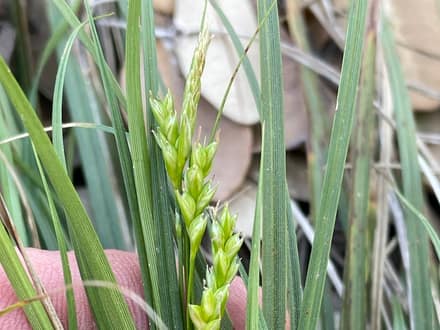
Cedar Sedge
Carex planostachys
A fine, arching native sedge that forms a soft green carpet in the dry shade beneath cedars and oaks — one of the very few things that will grow, and hold soil, there..
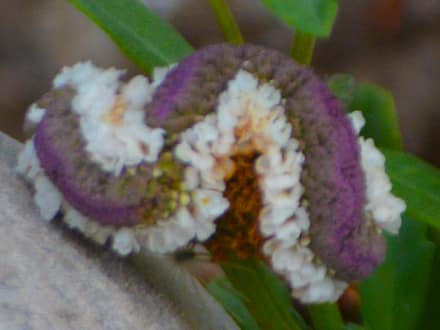
Frogfruit
Phyla nodiflora
A flat, spreading mat that takes light foot traffic and blooms with tiny pollinator flowers — the leading native lawn substitute for sun to part shade in Texas..
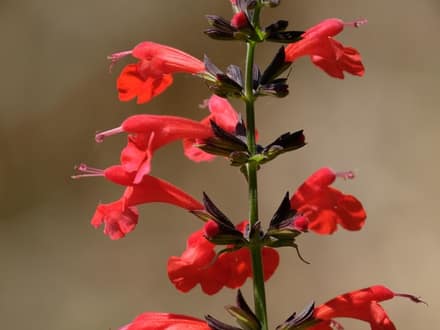
Scarlet Sage
Salvia coccinea
An easy reseeding sage that blooms scarlet from spring to frost, even in part shade — one of the few hummingbird plants that flowers reliably out of full sun..
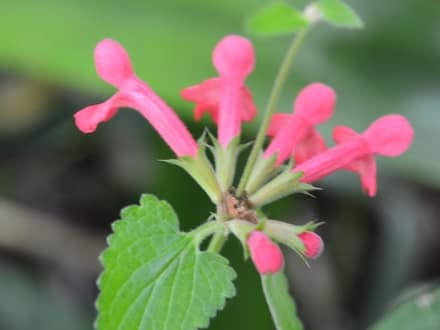
Texas Betony
Stachys coccinea
Soft mounds of felted leaves send up scarlet flower spikes for months, thriving in the part shade where few hummingbird plants will bloom..
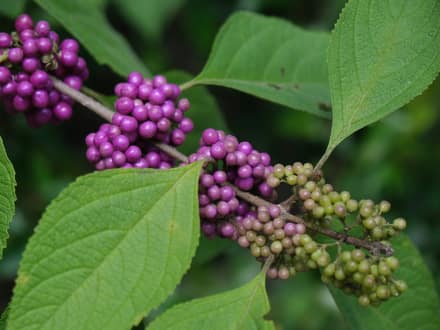
American Beautyberry
Callicarpa americana
Grown for its show-stopping clusters of electric-purple berries in fall — a feast for mockingbirds and dozens of other birds — on a graceful arching shrub..
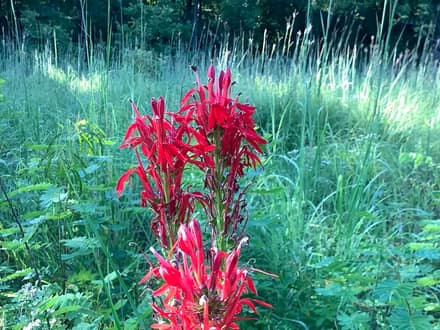
Cardinal Flower
Lobelia cardinalis
Spikes of the most intense scarlet of any native flower, rising from moist shade in late summer.