Groundcover · Deer-resistant
Cedar Sedge
Carex planostachys
Also called: Cedar Woods Sedge
Updated 2026-09-16
A fine, arching native sedge that forms a soft green carpet in the dry shade beneath cedars and oaks — one of the very few things that will grow, and hold soil, there.
Walk through a stand of Ashe juniper in the Hill Country and the ground under the trees is often covered in short, fine green tufts. That is cedar sedge. It grows where almost nothing else will: dense shade, thin soil over limestone, and constant competition from tree roots for water.
For a gardener that makes it one of the most useful plants in Central Texas. It turns the dusty ground under cedars and oaks into something that looks like a soft, uneven lawn, and it does it without irrigation once it has settled in.
Growing & care
Purpose-built for dry shade with root competition. No mowing needed; spreads slowly into a lawn-like cover. Established plants need no water.
Where cedar sedge grows in Texas
The Native Plant Society of Texas lists it across the Edwards Plateau, Cross Timbers, Central Great Plains, Chihuahuan Desert and the Gulf Coast prairies. It is most at home in the Hill Country and along the Balcones Escarpment, under junipers and in the understory of deciduous woods and meadows. It handles caliche, clay, limestone and loam as long as water drains.
How to plant cedar sedge
Plant it in part shade or shade. Fall is the best time in Texas, since this is a cool-season sedge that does much of its growing when the weather cools off. Space plugs 8 to 12 inches apart for a cover that fills in over two or three years; plant closer if you want it faster.
For seed, the Native Plant Society of Texas recommends sowing directly into the soil in fall. If you have an existing patch, collect the seed heads in late May or early June once they have turned brown.
Watering cedar sedge the first year
Water plugs two or three times a week for the first month, then weekly until the first summer is over. Under trees, the roots are competing with much larger root systems, so the first summer is the one that matters. After that, established plants need no watering.
Cedar Sedge care through the seasons
Almost none. Leave the old foliage standing through winter so insects have somewhere to shelter, then cut back the dead stems in February before new growth starts. It takes an occasional mowing on a high setting and light foot traffic, but it does not need either.
Common cedar sedge problems
Few. The usual failure is planting it in full afternoon sun, where it browns and struggles, or losing new plugs in the first summer because they dried out. Leaf litter from the trees above is fine; it is the habitat the sedge evolved in.
It spreads slowly. If you want a full cover in one season, this is not the plant; horseherb fills faster in the same conditions.
Wildlife value of cedar sedge
The Native Plant Society of Texas notes it as a larval host for butterflies and moths, and it supports caterpillars, beetles and grasshoppers. The standing winter foliage gives insects cover in the cold months.
Using cedar sedge in the garden
Use it as a no-mow lawn under cedars and live oaks, as an edging along a shady path, or as the base layer in a woodland planting with cedar sage, Turk's cap and inland sea oats. Because it stays low and fine-textured, it works well in front of coarser plants and softens hard edges on limestone steps and walls.
Cedar Sedge FAQ
Is cedar sedge a good ground cover?
Yes, for dry shade in Central Texas. Few other plants will make a low, soft cover under junipers and oaks without irrigation once established.
Does cedar sedge need mowing?
No. It stays short on its own, though it tolerates an occasional high mowing.
When should I cut back cedar sedge?
In February, before new growth starts. Leave the old foliage through winter for insect habitat.
Will cedar sedge grow in full sun?
It is a shade plant. In full afternoon sun it tends to brown and thin.
Bloom season
In bloom: Mar–Apr · Colors: green
Where to buy
Look for cedar sedge (Carex planostachys) at: native Texas nurseries.
Guides featuring cedar sedge
- How to Replace Your Lawn With Native Plants in Texas
- Native Alternatives to Common Non-Native Plants in Texas
- Texas Native Plant Calendar: What to Plant, Sow and Prune by Season
- Native Plants for Shade and Dry Shade in Texas
Sources
Range, nomenclature, and the USDA symbol above come from the federal plant record for this species. Check it yourself:
Good for
Plant it with
Natives that pair with cedar sedge
Same conditions, same uses — species that share cedar sedge's growing requirements and belong in the same bed.
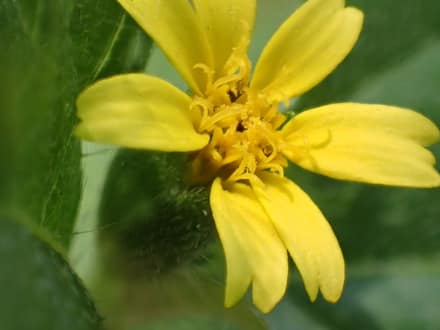
Horseherb
Calyptocarpus vialis
A soft, low groundcover that quietly replaces lawn in the shade where turf fails, threading tiny yellow flowers through its foliage for pollinators nearly year-round..
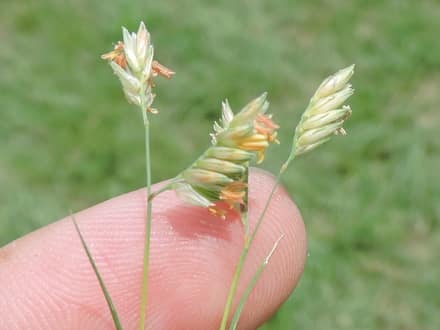
Buffalograss
Bouteloua dactyloides
North America's true native turf grass — a fine, soft, blue-green sod that forms a low lawn on a fraction of the water Bermuda or St.
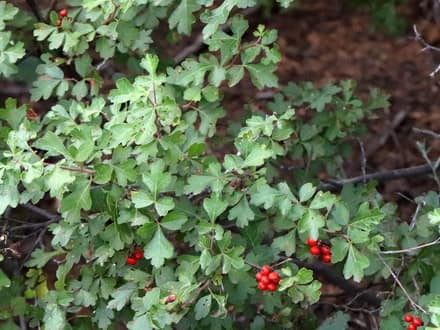
Fragrant Sumac
Rhus aromatica
A low, spreading shrub that blazes orange-red in fall and holds slopes with its suckering roots.
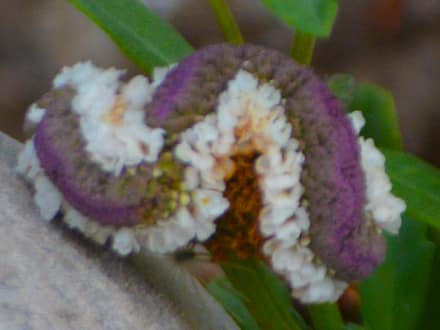
Frogfruit
Phyla nodiflora
A flat, spreading mat that takes light foot traffic and blooms with tiny pollinator flowers — the leading native lawn substitute for sun to part shade in Texas..
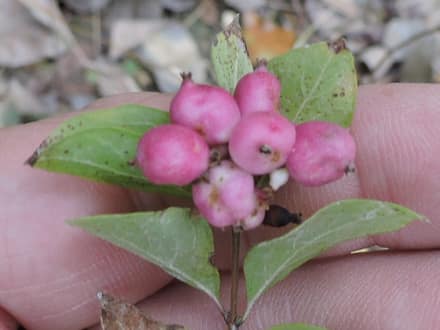
Coralberry
Symphoricarpos orbiculatus
A modest suckering shrub for shade that comes into its own in fall, when the arching branches string themselves with clusters of coral-pink berries the birds strip by spring..
Gregg's Dalea
Dalea greggii
A silvery, trailing groundcover that spills over walls and banks and dots itself with small purple flowers.