Shrub · Deer-resistant
Fragrant Sumac
Rhus aromatica
Also called: Aromatic Sumac
Updated 2026-09-23
A low, spreading shrub that blazes orange-red in fall and holds slopes with its suckering roots. Aromatic foliage when brushed; red fuzzy berries for the birds.
Fragrant sumac spends most of the year as an unremarkable low shrub, easy to walk past on a nursery lot. Then October arrives and it turns some of the most reliable orange, red and purple in a Texas fall, all on a plant that asks for almost nothing once it's in the ground.
It belongs to the same family as poison ivy, which explains the crushed-leaf smell some people find citrusy and others find skunky, and it's also why a small number of people get a mild skin reaction from handling it. Neither trait shows up on the tag at most nurseries, so it's worth knowing going in.
Growing & care
Excellent for banks and erosion control thanks to its spreading habit. Drought tough and adaptable. Cut back hard to rejuvenate if it gets woody.
Where fragrant sumac grows in Texas
The Native Plant Society of Texas lists it across the Central Great Plains, Chihuahuan Deserts, Cross Timbers and East Central Texas Plains, among other regions, so it covers most of the state outside the immediate Gulf Coast. It tolerates caliche, clay, limestone, loam and rocky ground, which is most of what Texas offers a gardener.
How to plant fragrant sumac
Container plants go in the ground in fall or late winter, the same low-stress window as most Texas natives. Growing it from seed is a real project: the seed coat needs scarifying, either a weak acid soak or 25 hours in hot water, followed by 30 to 60 days of cold, moist storage in a refrigerator before it will germinate. Semi-hardwood cuttings taken in summer or fall and dipped in rooting hormone are a far more reliable route if you're starting from a piece of an existing plant, and stems that touch the ground will often root on their own.
Watering fragrant sumac the first year
Water regularly through the first growing season while the root system extends out from the original root ball. It grows at a fast clip for a low shrub, and most plants are shifting for themselves on rainfall alone by the second year.
Fragrant Sumac care through the seasons
Leave it mostly alone. It has a naturally loose, spreading form, and pruning it hard removes the growth that gives it that shape rather than improving it. Where it's spreading by suckers further than you want, cut the new shoots at the base rather than shearing the whole plant, and don't compost the trimmings without gloves if your skin is sensitive to the sap.
Common fragrant sumac problems
The main one isn't a pest or disease: it's the sap. Fragrant sumac is in the same family as poison ivy and cashew, and a small share of people develop a mild contact rash from handling cut stems or crushed leaves. It's a minor issue for most gardeners but worth knowing before you take on pruning duty. Beyond that, it has few real problems; overwatering or heavy, waterlogged soil is a more common complaint than any pest.
Wildlife value of fragrant sumac
It flowers in late winter before almost anything else, giving early bees and other pollinators one of the season's first nectar sources. It's a larval host for the red-banded hairstreak butterfly, and the fuzzy red berries that follow the flowers feed birds and small mammals into fall.
Using fragrant sumac in the garden
Its suckering habit, the same trait that means pruning back unwanted shoots, is what makes it genuinely useful on a slope or bank where erosion is the problem. Left to spread, it knits together loose or eroding ground with a root system built for exactly that job. On flatter ground it works as a low, informal border shrub, chosen as much for the fall color as for anything it does the rest of the year.
Fragrant Sumac FAQ
Does fragrant sumac cause a rash like poison ivy?
For most people, no, but it's in the same plant family and a small number of people do get a mild skin reaction from handling cut stems or crushed leaves. Wearing gloves when pruning is a reasonable precaution if you're not sure how your skin will react.
Why is my fragrant sumac spreading beyond where I planted it?
It spreads naturally by root suckers, which is normal and is exactly what makes it useful for erosion control on a slope. Cut unwanted shoots at the base if you need to keep it contained to a smaller area.
Is fragrant sumac the same plant as poison sumac?
No. Poison sumac (Toxicodendron vernix) is a separate, wetland-loving species with a much more severe reaction. Fragrant sumac (Rhus aromatica) is a different genus and a normal, non-toxic landscape shrub, though sensitive skin can still react to the sap.
Bloom season
In bloom: Mar–Apr · Colors: yellow
Where to buy
Look for fragrant sumac (Rhus aromatica) at: Prairie Moon Nursery, native Texas nurseries.
Sources
Range, nomenclature, and the USDA symbol above come from the federal plant record for this species. Check it yourself:
Good for
Plant it with
Natives that pair with fragrant sumac
Same conditions, same uses — species that share fragrant sumac's growing requirements and belong in the same bed.
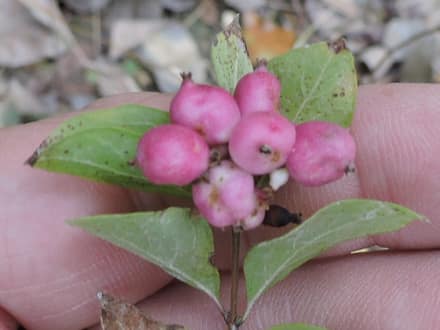
Coralberry
Symphoricarpos orbiculatus
A modest suckering shrub for shade that comes into its own in fall, when the arching branches string themselves with clusters of coral-pink berries the birds strip by spring..
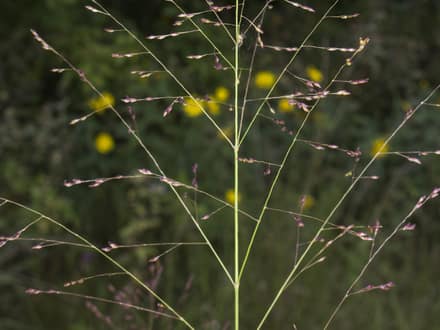
Switchgrass
Panicum virgatum
An upright prairie grass with airy pink-bronze seed clouds and gold fall color.
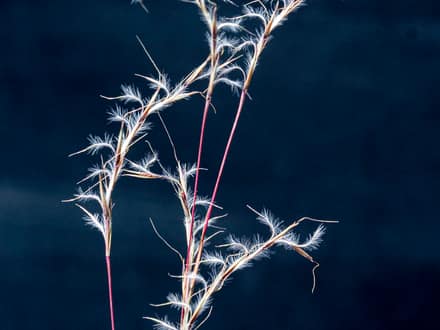
Little Bluestem
Schizachyrium scoparium
The backbone grass of the American prairie, turning coppery-mahogany in fall and silver-tufted in winter.
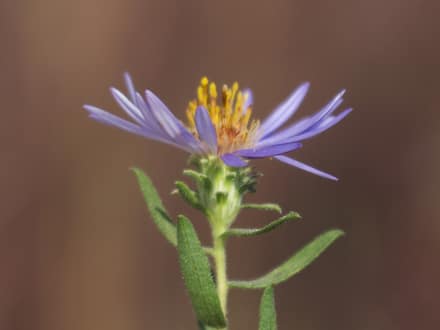
Fall Aster
Symphyotrichum oblongifolium
A mounding aster that vanishes into the background all summer, then bursts into a haze of blue-purple daisies in October — a lifeline of late nectar for pollinators..
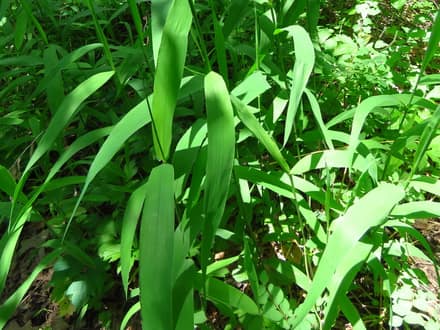
Inland Sea Oats
Chasmanthium latifolium
The rare ornamental grass that thrives in shade, dangling flat, papery seed heads that shift from green to bronze and rustle all winter.
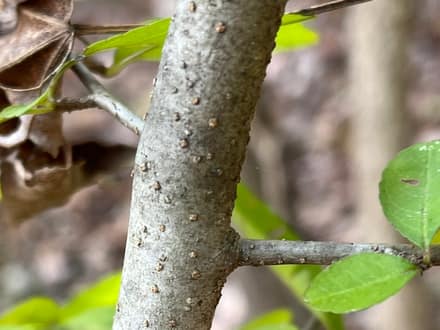
Possumhaw Holly
Ilex decidua
Drops its leaves in fall to reveal branches packed with scarlet berries that glow through winter and feed cedar waxwings and robins in late season..