Texas · Fall Color
Fall Color Native Plants for Texas
Updated 2026-09-11
Fall color in Texas comes from three different sources, not just changing leaves: a few trees and shrubs actually turn color, several wildflowers save their bloom for October and November specifically, and one holly puts on a berry display instead. The 7 species here cover all three.
7 plants
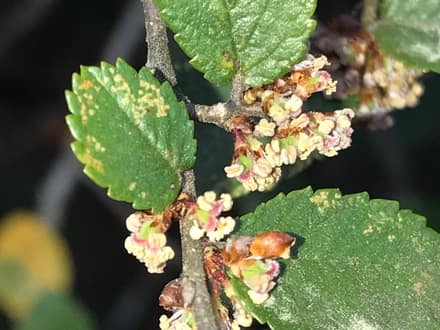
Cedar Elm
Ulmus crassifolia
The toughest large shade tree for central Texas — takes heavy clay, drought, and heat, then turns gold in fall.
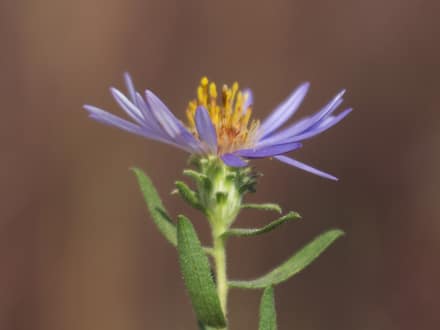
Fall Aster
Symphyotrichum oblongifolium
A mounding aster that vanishes into the background all summer, then bursts into a haze of blue-purple daisies in October — a lifeline of late nectar for pollinators..
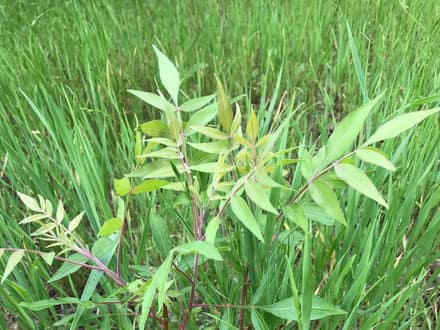
Flameleaf Sumac
Rhus lanceolata
A small native tree grown for the best red-orange fall color in central Texas, plus summer flower panicles for bees and red berry clusters that feed birds into winter..
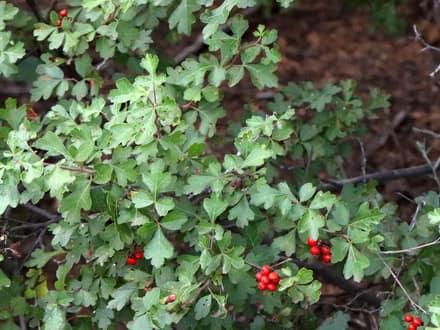
Fragrant Sumac
Rhus aromatica
A low, spreading shrub that blazes orange-red in fall and holds slopes with its suckering roots.
Gayfeather
Liatris mucronata
Spires of feathery purple that open top-down in fall, when Monarchs are moving through and desperate for nectar.
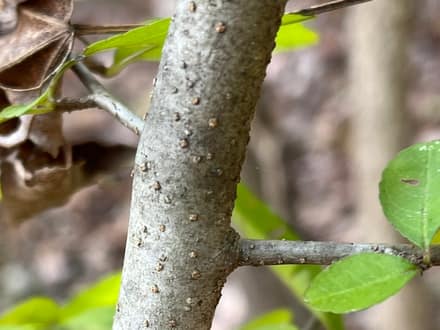
Possumhaw Holly
Ilex decidua
Drops its leaves in fall to reveal branches packed with scarlet berries that glow through winter and feed cedar waxwings and robins in late season..
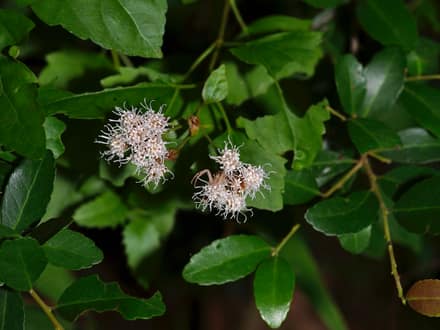
White Mistflower
Ageratina havanensis
A rounded shrub that erupts in fragrant, frothy white bloom in autumn — perfectly timed for migrating Monarchs, which can cover it in numbers..
Foliage that actually turns color
Flameleaf sumac earns its name here, turning some of the most reliable red and orange foliage of any Texas native. Cedar elm turns a clear yellow, usually later in fall than the sumac. Fragrant sumac's foliage shifts to a reddish purple, subtler than flameleaf sumac's display but useful where a smaller shrub fits better than a tree.
Late bloomers and winter berries
Fall aster and gayfeather both hold off blooming until September through November, purple and blue flowers timed for exactly when most of the garden has already finished for the year. White mistflower does the same in white, also into October and November. Possumhaw holly rounds out the list differently: the bare winter branches, not the leaves, are the show, since the berries only become visible once the plant goes fully leafless.
FAQ
What native Texas plants turn red or orange in fall?
Flameleaf sumac has the strongest red-orange color of any native on the site. Fragrant sumac turns a subtler reddish purple.
What Texas wildflowers bloom in October and November?
Fall aster, gayfeather, and white mistflower all wait until fall to bloom, which also makes them useful late-season nectar for migrating monarch butterflies.
Does possumhaw holly have fall color?
Not foliage color. Once it goes bare for the season, the show shifts to the red berries left behind on the branches, visible clear through winter.