Perennial · Deer-resistant
Fall Aster
Symphyotrichum oblongifolium
Also called: Aromatic Aster
Updated 2026-09-23
A mounding aster that vanishes into the background all summer, then bursts into a haze of blue-purple daisies in October — a lifeline of late nectar for pollinators.
Fall aster spends spring and summer as a plain green mound, easy to overlook in a mixed bed. Then October arrives and the whole plant vanishes beneath hundreds of small purple daisies with yellow centers, blooming right up to frost when almost nothing else in the garden still has color left to offer.
Growing & care
Shear by half in early summer for a denser, more floriferous mound. Extremely drought tolerant. Aromatic foliage deer usually skip.
Where fall aster grows in Texas
It's hardy from roughly the Texas panhandle through the Hill Country and across most of the northeastern and central United States, tolerating everything from harsh panhandle winters to milder Hill Country cold. It prefers rocky limestone and shale soil and does well as a groundcover in dry, sunny spots.
How to plant fall aster
Plant container stock in fall or spring, in a spot that gets at least four hours of sun, morning or afternoon. It tolerates container growing as well as in-ground planting, and it spreads over time by both stolons and self-seeding.
Watering fall aster the first year
Water regularly through the first season while it establishes, then taper off. It wants minimal water once rooted in and performs best on lean, well-drained ground rather than rich garden soil.
Fall Aster care through the seasons
Shear it back by up to half its height in late spring or early summer, which is the single most important maintenance step: skipping it tends to produce a leggy, floppy plant with a thinner fall bloom, while the cutback produces a denser mound and a fuller flush of flowers. Deadheading through the bloom period extends the display further.
Common fall aster problems
It isn't deer resistant, unlike many of the other drought-tolerant perennials on this site, so expect some browsing where deer pressure is heavy. Otherwise it's a well-behaved, low-problem plant as long as it has decent drainage.
Wildlife value of fall aster
The fall flowers are a critical late-season nectar source for bees, butterflies and other pollinators, arriving after most other nectar plants have already finished for the year. The foliage releases a balsam-like fragrance when crushed or brushed.
Using fall aster in the garden
Use it as a groundcover in a dry, sunny bed, or as a late-season color anchor in a mixed native planting alongside earlier-blooming perennials. It also holds up well in a container, given its compact size and tolerance for lean soil.
Fall Aster FAQ
When does fall aster bloom in Texas?
September through November, making it one of the last wildflowers still blooming before frost and an important late nectar source for pollinators.
Why is my fall aster floppy instead of a tidy mound?
It almost certainly wasn't cut back earlier in the year. Shearing it by up to half its height in late spring or early summer is the main step that keeps it compact and encourages denser fall bloom.
Is fall aster deer resistant?
No, it isn't, despite being otherwise very low maintenance. Where deer are a regular problem, expect some browsing on this one.
Bloom season
In bloom: Oct–Nov · Colors: purple, blue
Where to buy
Look for fall aster (Symphyotrichum oblongifolium) at: Prairie Moon Nursery, native Texas nurseries.
Guides featuring fall aster
Sources
Range, nomenclature, and the USDA symbol above come from the federal plant record for this species. Check it yourself:
Symphyotrichum oblongifolium (SYOB) in the USDA PLANTS Database →
Good for
Plant it with
Natives that pair with fall aster
Same conditions, same uses — species that share fall aster's growing requirements and belong in the same bed.
Gayfeather
Liatris mucronata
Spires of feathery purple that open top-down in fall, when Monarchs are moving through and desperate for nectar.
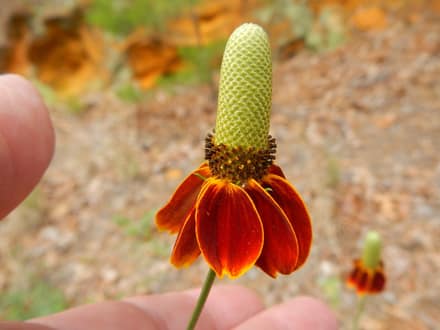
Mexican Hat
Ratibida columnifera
A whimsical prairie flower whose drooping petals form a sombrero beneath a tall central cone.
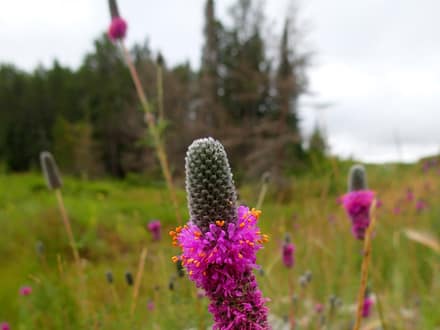
Purple Prairie Clover
Dalea purpurea
A fine-textured prairie legume with thimbles of purple bloom ringed in orange pollen.
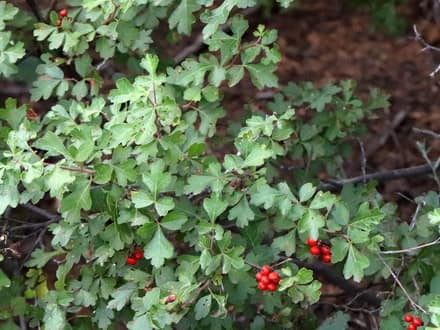
Fragrant Sumac
Rhus aromatica
A low, spreading shrub that blazes orange-red in fall and holds slopes with its suckering roots.
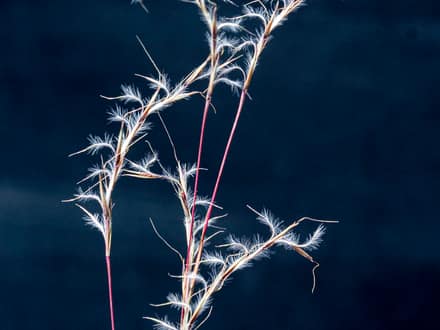
Little Bluestem
Schizachyrium scoparium
The backbone grass of the American prairie, turning coppery-mahogany in fall and silver-tufted in winter.
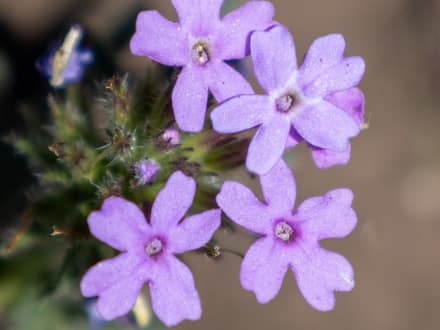
Prairie Verbena
Glandularia bipinnatifida
A low, spreading mat of purple flower clusters that bloom nearly nonstop and draw butterflies constantly.