Wildflower · Deer-resistant
Mexican Hat
Ratibida columnifera
Also called: Upright Prairie Coneflower, Thimbleflower
Updated 2026-09-23
A whimsical prairie flower whose drooping petals form a sombrero beneath a tall central cone. Long-blooming, drought-proof, and a magnet for small native bees.
Mexican hat takes its common name from the shape of its own flower: drooping red and yellow petals ringed beneath a tall, brown-red central cone that genuinely resembles a sombrero. It's one of the toughest, longest-blooming wildflowers a Texas garden can grow, and it asks for almost nothing beyond sun and soil that drains.
Growing & care
Thrives on tough clay and reseeds freely into a colony. Cut back midseason if leggy. No fertilizer or extra water needed once up.
Where Mexican hat grows in Texas
Its native range runs from Canada to central Mexico, and it's naturalized across most of the contiguous United States, including prairies, plains, meadows, pastures, savannas and roadsides throughout Texas. It tolerates clay, rocky, sandy or well-drained soil, including limestone-based and loamy ground.
How to plant Mexican hat
Direct sow seed in fall or spring; it establishes readily from seed and needs little coaxing once it's in the ground. Give it full sun, since it flowers and performs best there.
Watering Mexican hat the first year
Water occasionally through the first season to help it establish, then let it manage on its own. It's highly drought resistant once rooted in and rarely needs supplemental water in a normal year.
Mexican Hat care through the seasons
It grows aggressively and can outcompete less vigorous neighbors in a mixed bed, so give it room or plan to thin it back where it's spreading further than wanted. It has a taproot rather than a shallow, fibrous root system, which is part of what makes it so drought tolerant.
Common Mexican hat problems
Its vigorous growth is really the only complaint gardeners have with it: left unchecked in a smaller bed, it can crowd out slower-growing wildflowers nearby. In an open meadow or naturalized planting this isn't an issue at all.
Wildlife value of Mexican hat
It draws numerous native bee species and butterflies for nectar, and the seed heads that follow bloom feed seed-eating birds. Deer generally avoid the foliage, which has a strong odor that repels them, even though they'll sometimes eat the flowers themselves.
Using Mexican hat in the garden
Use it in a wildflower meadow, a naturalized roadside planting, or scattered through a mixed native bed where its long bloom season and reseeding habit can fill gaps through summer and into fall. Its unusual flower shape also makes it a good conversation-piece accent near a path or patio.
Mexican Hat FAQ
Why is it called Mexican hat?
The flower's shape is the reason: drooping red and yellow petals hang below a tall, cone-shaped brown-red center that resembles a sombrero, giving the plant its common name.
Is Mexican hat deer resistant?
Mostly. The foliage has a strong odor that generally repels deer, though they'll sometimes browse the flowers themselves even while avoiding the leaves.
Does Mexican hat spread aggressively?
It grows vigorously and reseeds readily, which can let it outcompete slower wildflowers in a small mixed bed. In a meadow or naturalized planting, that same vigor is usually exactly what's wanted.
Bloom season
In bloom: May–Oct · Colors: red, yellow
Where to buy
Look for mexican hat (Ratibida columnifera) at: Prairie Moon Nursery, Eden Brothers seed, native Texas nurseries.
Guides featuring Mexican hat
Sources
Range, nomenclature, and the USDA symbol above come from the federal plant record for this species. Check it yourself:
Good for
Plant it with
Natives that pair with mexican hat
Same conditions, same uses — species that share mexican hat's growing requirements and belong in the same bed.
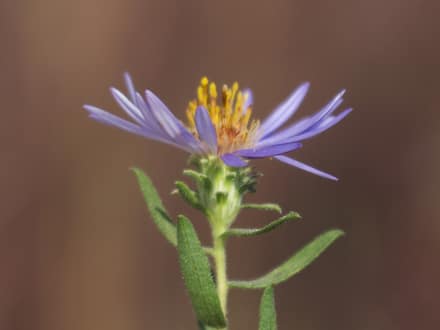
Fall Aster
Symphyotrichum oblongifolium
A mounding aster that vanishes into the background all summer, then bursts into a haze of blue-purple daisies in October — a lifeline of late nectar for pollinators..
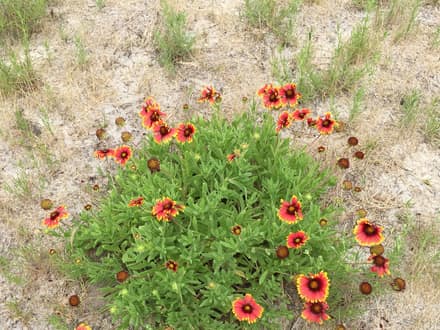
Indian Blanket
Gaillardia pulchella
The red-and-gold pinwheel daisy that blankets Texas roadsides all summer.
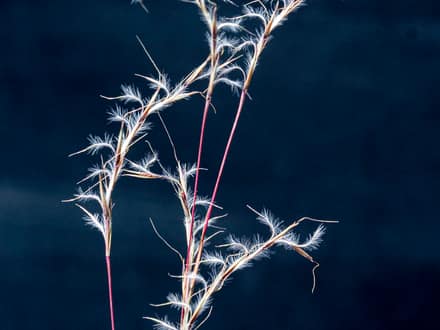
Little Bluestem
Schizachyrium scoparium
The backbone grass of the American prairie, turning coppery-mahogany in fall and silver-tufted in winter.
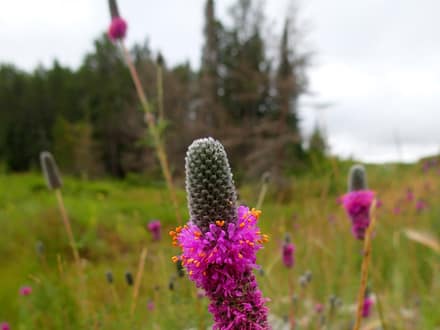
Purple Prairie Clover
Dalea purpurea
A fine-textured prairie legume with thimbles of purple bloom ringed in orange pollen.
Sideoats Grama
Bouteloua curtipendula
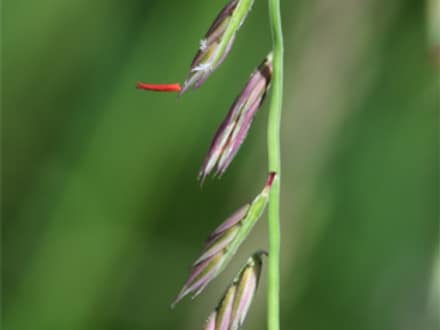
The state grass of Texas, hanging its tiny oat-like seeds along one side of each stem, tinged with orange-red pollen.
Gayfeather
Liatris mucronata
Spires of feathery purple that open top-down in fall, when Monarchs are moving through and desperate for nectar.