Texas · For Meadows
Meadow Plants for Texas
Updated 2026-09-11
A Texas meadow planting works in layers, the same way a prairie does naturally: grasses form the matrix that holds everything together, and wildflowers punch through it in waves across the growing season. The 13 species here cover both halves.
13 plants
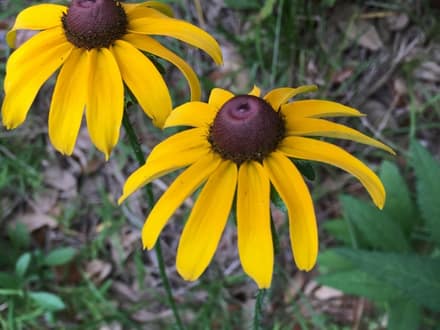
Black-eyed Susan
Rudbeckia hirta
The classic golden prairie daisy — cheerful, tough, and endlessly reseeding.
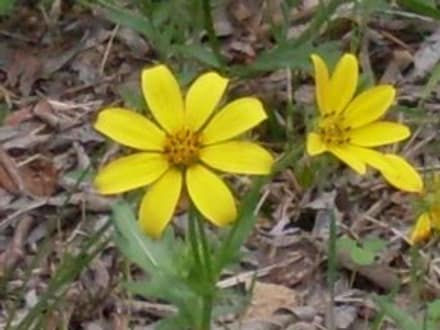
Engelmann Daisy
Engelmannia peristenia
A deep-taprooted prairie daisy that blooms yellow for months and shrugs off drought better than almost anything — its flowers even fold in the midday heat to conserve water..
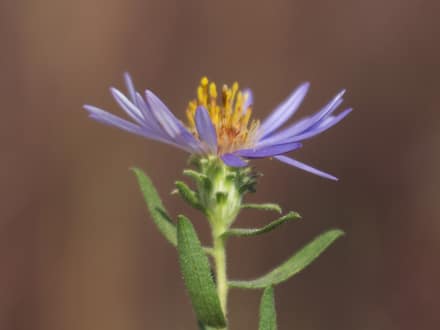
Fall Aster
Symphyotrichum oblongifolium
A mounding aster that vanishes into the background all summer, then bursts into a haze of blue-purple daisies in October — a lifeline of late nectar for pollinators..
Gayfeather
Liatris mucronata
Spires of feathery purple that open top-down in fall, when Monarchs are moving through and desperate for nectar.
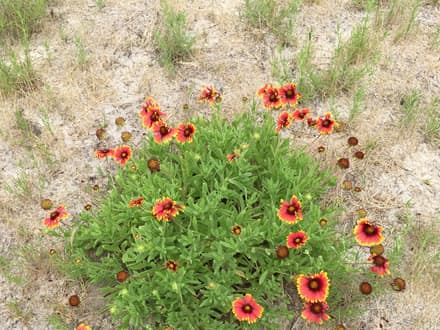
Indian Blanket
Gaillardia pulchella
The red-and-gold pinwheel daisy that blankets Texas roadsides all summer.
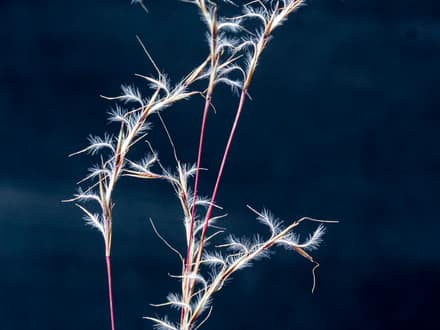
Little Bluestem
Schizachyrium scoparium
The backbone grass of the American prairie, turning coppery-mahogany in fall and silver-tufted in winter.
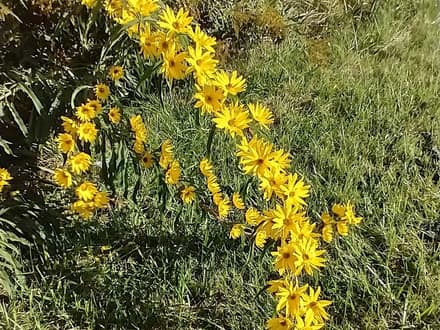
Maximilian Sunflower
Helianthus maximiliani
A towering prairie sunflower that lines its tall stems with gold in fall, feeding late pollinators and then a run of seed-eating birds.
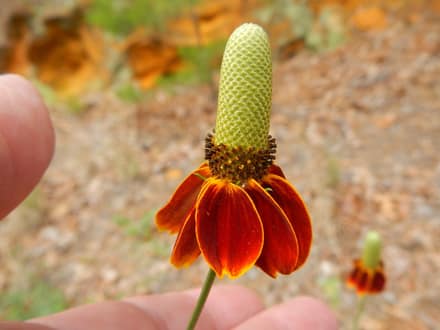
Mexican Hat
Ratibida columnifera
A whimsical prairie flower whose drooping petals form a sombrero beneath a tall central cone.
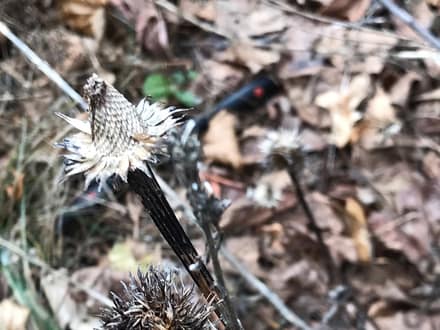
Purple Coneflower
Echinacea purpurea
A prairie staple whose big rosy daisies feed butterflies in summer and finches in winter.
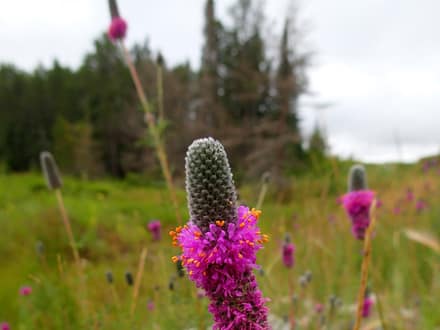
Purple Prairie Clover
Dalea purpurea
A fine-textured prairie legume with thimbles of purple bloom ringed in orange pollen.
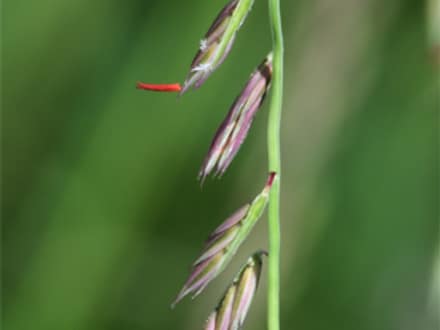
Sideoats Grama
Bouteloua curtipendula
The state grass of Texas, hanging its tiny oat-like seeds along one side of each stem, tinged with orange-red pollen.
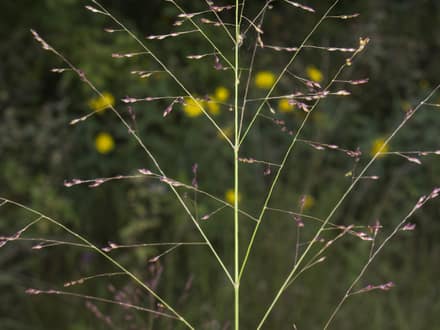
Switchgrass
Panicum virgatum
An upright prairie grass with airy pink-bronze seed clouds and gold fall color.
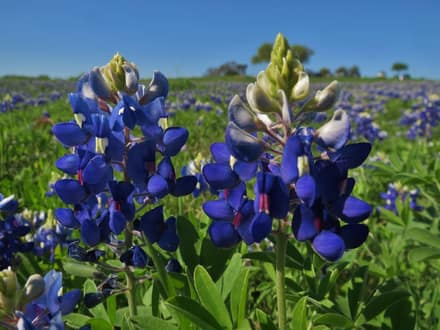
Texas Bluebonnet
Lupinus texensis
The Texas state flower — a spring-blooming annual lupine that carpets roadsides in cobalt blue.
The grass matrix
Little bluestem, sideoats grama, and switchgrass are the structural grasses, filling the space between wildflowers and giving a meadow planting its texture and movement, especially once they turn bronze and copper in fall. Without a grass matrix, a wildflower planting tends to flop and open up to weeds between bloom seasons; the grasses are what keep it looking intentional even when nothing is in flower.
Wildflowers in bloom sequence
Texas bluebonnet and indian blanket open the season in spring. Engelmann daisy, black-eyed susan, mexican hat, purple coneflower, and purple prairie clover carry the middle of summer. Maximilian sunflower, gayfeather, and fall aster close it out from late summer into November, the same three-way bloom sequence, spring, summer, fall, that keeps a meadow from going bare for months at a stretch.
FAQ
What's the difference between a meadow and a regular wildflower bed?
A meadow includes a grass matrix, little bluestem, sideoats grama, and switchgrass here, that holds the planting together structurally. A bed of wildflowers alone tends to flop and let weeds in between bloom cycles.
How do I keep a meadow blooming all season instead of just in spring?
Mix bloom times rather than planting all spring bloomers. This list runs texas bluebonnet and indian blanket in spring, several wildflowers through summer, and maximilian sunflower, gayfeather, and fall aster into fall.
Can I mow a meadow planting?
Once a year at most, after seed has set and dropped, usually in late winter. Regular mowing during the growing season cuts off the wildflowers before they bloom or reseed.