Home · Texas · Drought-Tolerant
Texas · Drought-Tolerant
Drought-Tolerant Native Plants for Texas
Updated 2026-09-11
Every plant on this page can get through a Texas summer on rainfall alone once it's established, which is the whole reason to plant native in the first place. "Drought-tolerant" is a long-term description, though, not a promise that a plant needs no water ever. A new planting still needs regular watering through its first growing season while roots reach down past the topsoil; skip that step and even the toughest native on this list can fail before it gets the chance to prove how little water it needs.
47 plants
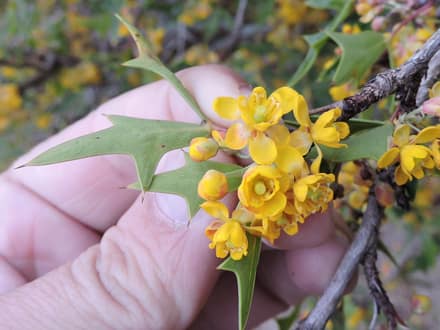
Agarita
Berberis trifoliolata
A spiny blue-grey evergreen that bees swarm in late winter and birds nest inside for protection.
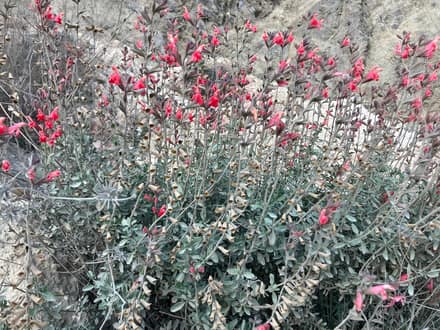
Autumn Sage
Salvia greggii
The workhorse of the water-wise Texas garden: a small evergreen shrub that blooms nearly year-round and shrugs off heat, drought, and deer..
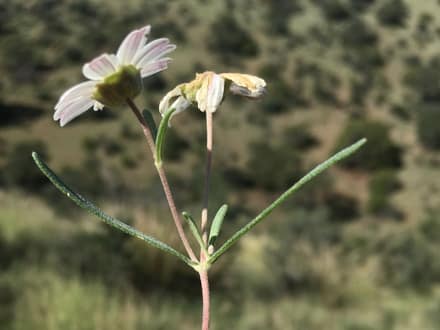
Blackfoot Daisy
Melampodium leucanthum
A tidy mound smothered in honey-scented white daisies for most of the year.
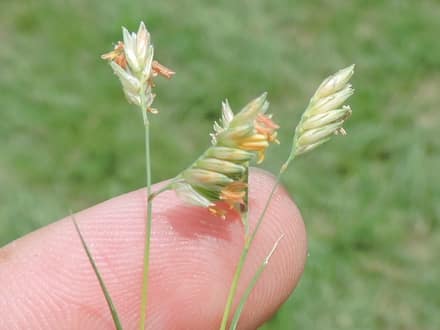
Buffalograss
Bouteloua dactyloides
North America's true native turf grass — a fine, soft, blue-green sod that forms a low lawn on a fraction of the water Bermuda or St.
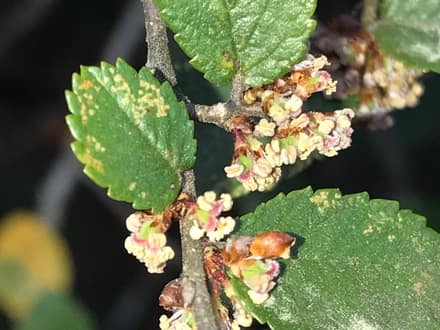
Cedar Elm
Ulmus crassifolia
The toughest large shade tree for central Texas — takes heavy clay, drought, and heat, then turns gold in fall.
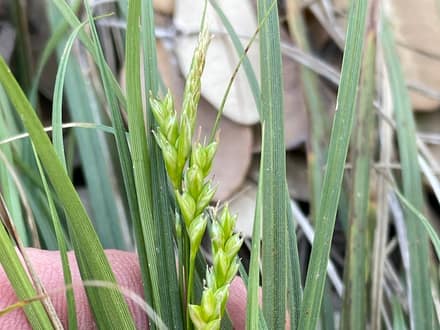
Cedar Sedge
Carex planostachys
A fine, arching native sedge that forms a soft green carpet in the dry shade beneath cedars and oaks — one of the very few things that will grow, and hold soil, there..
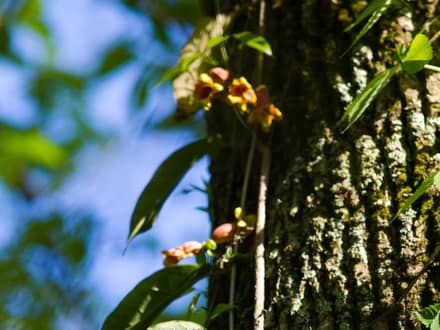
Crossvine
Bignonia capreolata
A vigorous semi-evergreen climber that covers a fence or arbor in orange-red trumpets in early spring — timed for the first returning hummingbirds.
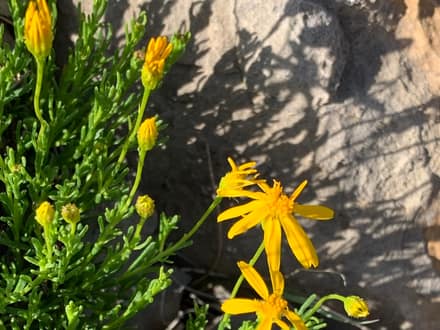
Damianita
Chrysactinia mexicana
A low evergreen cushion of fine, aromatic foliage smothered in golden daisies in spring and again in fall.
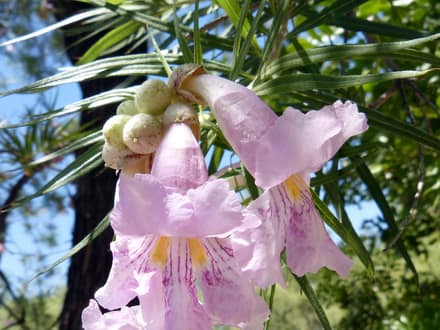
Desert Willow
Chilopsis linearis
A slender desert tree that produces orchid-like trumpet flowers all summer on almost no water.
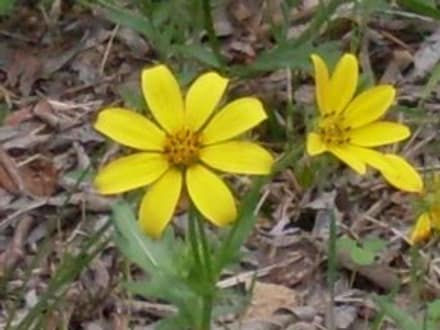
Engelmann Daisy
Engelmannia peristenia
A deep-taprooted prairie daisy that blooms yellow for months and shrugs off drought better than almost anything — its flowers even fold in the midday heat to conserve water..
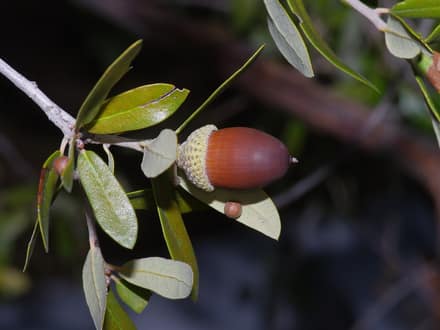
Escarpment Live Oak
Quercus fusiformis
The iconic sprawling evergreen oak of the Hill Country, holding its leaves through winter and dropping acorns that feed everything from jays to deer..
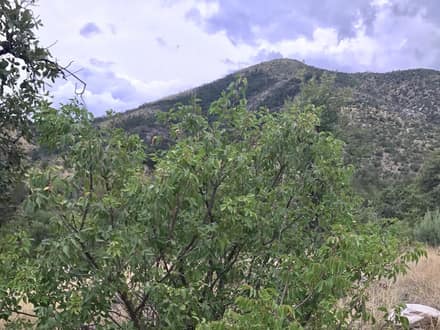
Evergreen Sumac
Rhus virens
A lush, glossy evergreen that looks far too refined for how tough it is — a superb native screen or hedge that bees work in late summer and birds fruit on in fall..
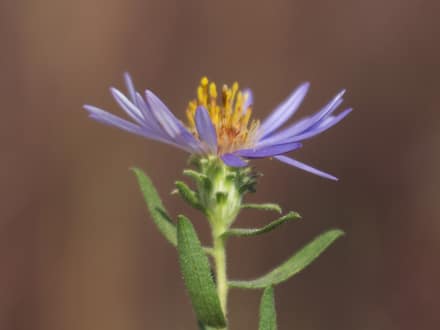
Fall Aster
Symphyotrichum oblongifolium
A mounding aster that vanishes into the background all summer, then bursts into a haze of blue-purple daisies in October — a lifeline of late nectar for pollinators..
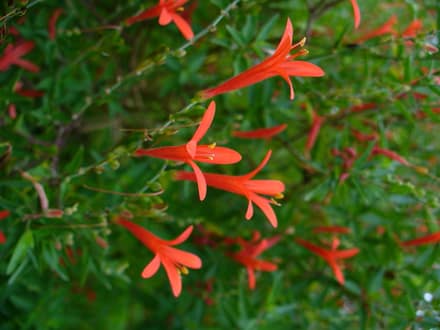
Flame Acanthus
Anisacanthus quadrifidus var. wrightii
A wispy, tough shrub that throws tubular orange-red flowers through the worst of the summer heat — exactly when hummingbirds are fueling up for migration..
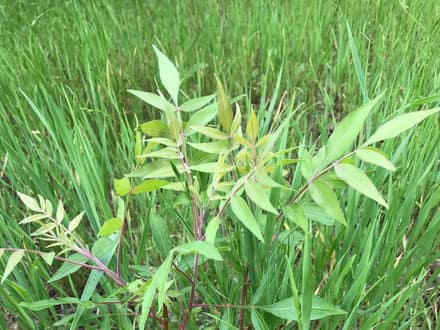
Flameleaf Sumac
Rhus lanceolata
A small native tree grown for the best red-orange fall color in central Texas, plus summer flower panicles for bees and red berry clusters that feed birds into winter..
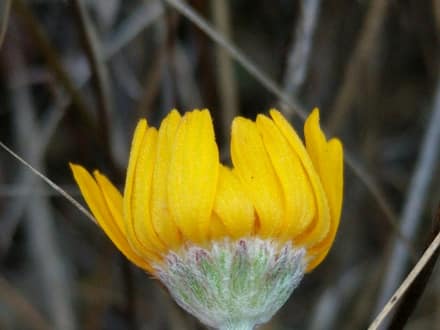
Four-nerve Daisy
Tetraneuris scaposa
A tidy evergreen tuft that lofts cheerful yellow daisies on wiry stems in nearly every month of the year.
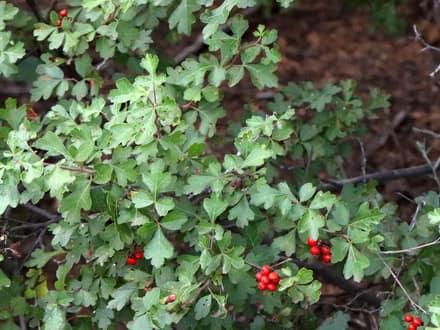
Fragrant Sumac
Rhus aromatica
A low, spreading shrub that blazes orange-red in fall and holds slopes with its suckering roots.
Gayfeather
Liatris mucronata
Spires of feathery purple that open top-down in fall, when Monarchs are moving through and desperate for nectar.
Gregg's Dalea
Dalea greggii
A silvery, trailing groundcover that spills over walls and banks and dots itself with small purple flowers.
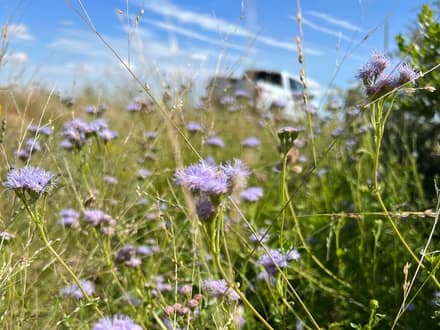
Gregg's Mistflower
Conoclinium greggii
A butterfly magnet without equal — its fuzzy blue flowers are the single best plant for pulling Queen and Monarch butterflies into a Texas garden..
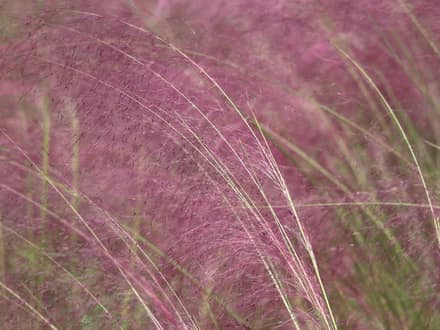
Gulf Muhly
Muhlenbergia capillaris
For a few weeks each fall this clump grass erupts into a cloud of glowing pink — the most spectacular native ornamental grass for the South..
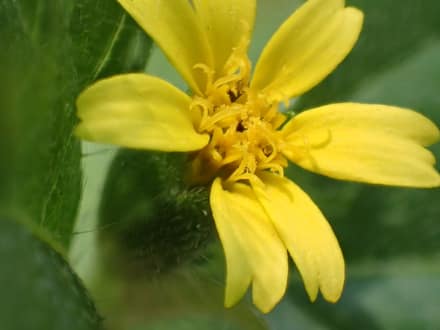
Horseherb
Calyptocarpus vialis
A soft, low groundcover that quietly replaces lawn in the shade where turf fails, threading tiny yellow flowers through its foliage for pollinators nearly year-round..
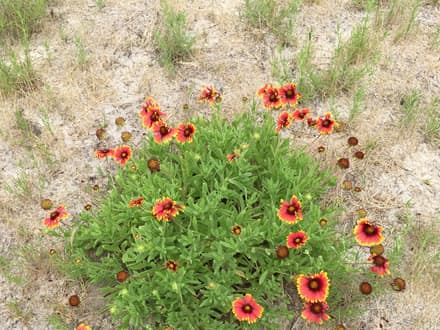
Indian Blanket
Gaillardia pulchella
The red-and-gold pinwheel daisy that blankets Texas roadsides all summer.
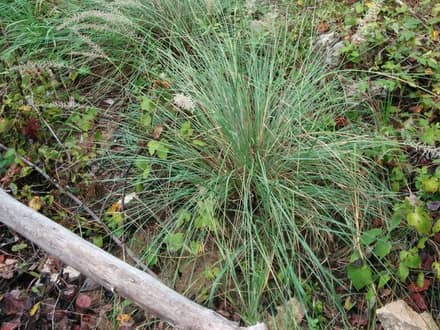
Lindheimer's Muhly
Muhlenbergia lindheimeri
A big, fountain-shaped clump grass topped with silver-blond plumes in fall.
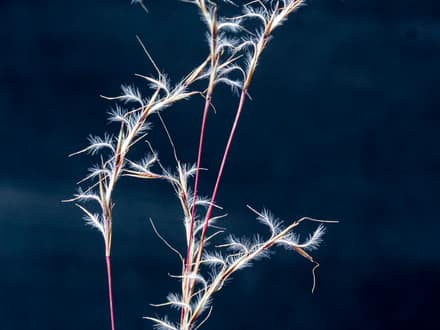
Little Bluestem
Schizachyrium scoparium
The backbone grass of the American prairie, turning coppery-mahogany in fall and silver-tufted in winter.
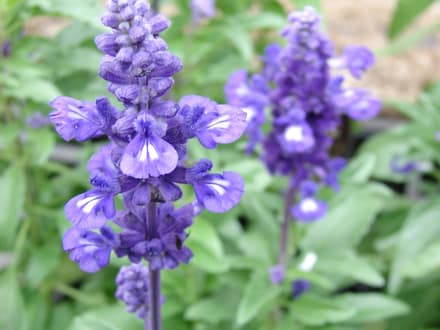
Mealy Blue Sage
Salvia farinacea
Spikes of soft blue that hum with bees from spring to frost.
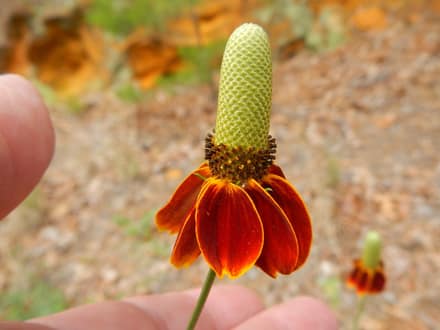
Mexican Hat
Ratibida columnifera
A whimsical prairie flower whose drooping petals form a sombrero beneath a tall central cone.
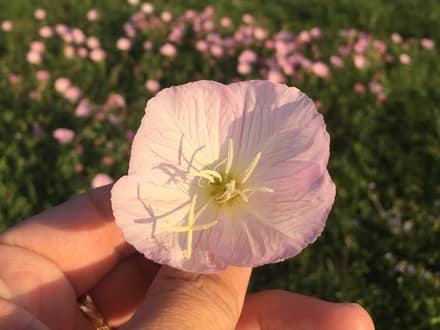
Pink Evening Primrose
Oenothera speciosa
The pink cups that wash over Texas fields and roadsides in spring.
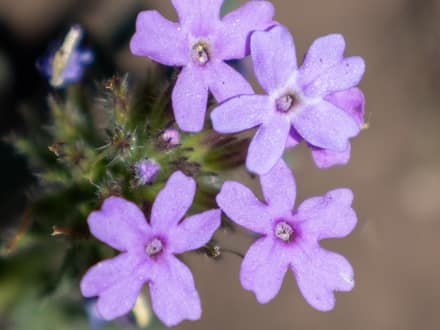
Prairie Verbena
Glandularia bipinnatifida
A low, spreading mat of purple flower clusters that bloom nearly nonstop and draw butterflies constantly.
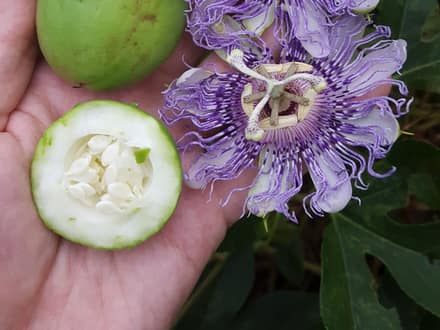
Purple Passionflower
Passiflora incarnata
An extravagant, fringed purple flower unlike anything else native, followed by egg-sized edible fruit.
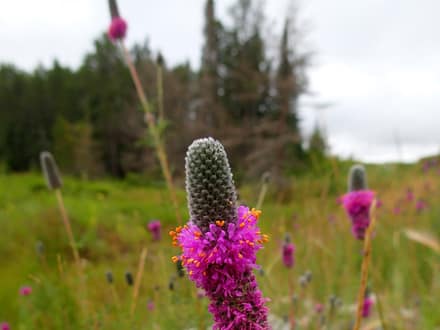
Purple Prairie Clover
Dalea purpurea
A fine-textured prairie legume with thimbles of purple bloom ringed in orange pollen.
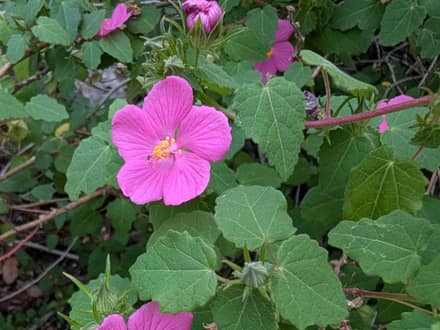
Rock Rose
Pavonia lasiopetala
A soft, ever-blooming little shrub-perennial covered in pink hibiscus-like flowers that open each morning.
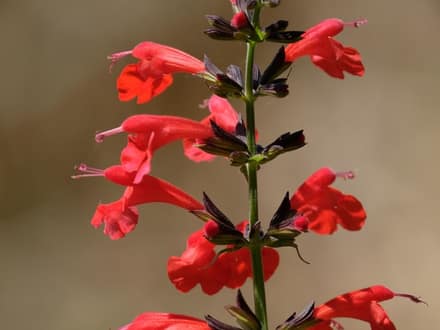
Scarlet Sage
Salvia coccinea
An easy reseeding sage that blooms scarlet from spring to frost, even in part shade — one of the few hummingbird plants that flowers reliably out of full sun..
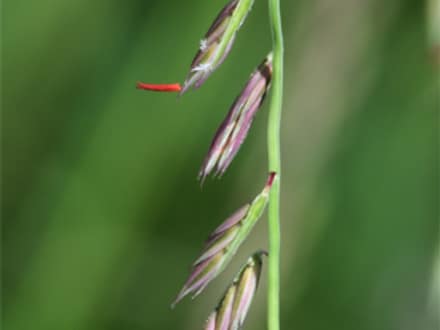
Sideoats Grama
Bouteloua curtipendula
The state grass of Texas, hanging its tiny oat-like seeds along one side of each stem, tinged with orange-red pollen.
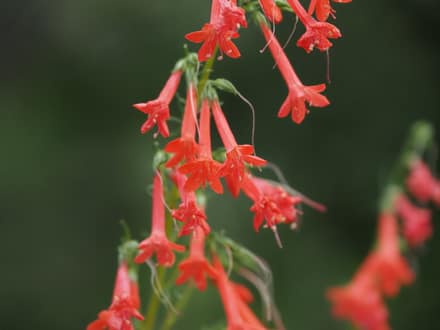
Standing Cypress
Ipomopsis rubra
A tall biennial spike of fiery red tubular flowers that hummingbirds chase up and down.
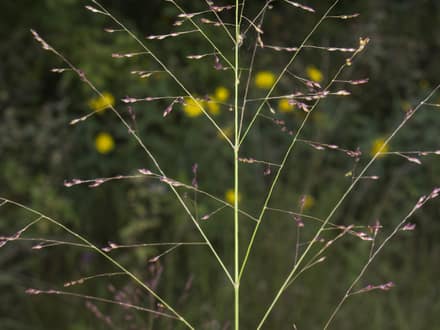
Switchgrass
Panicum virgatum
An upright prairie grass with airy pink-bronze seed clouds and gold fall color.
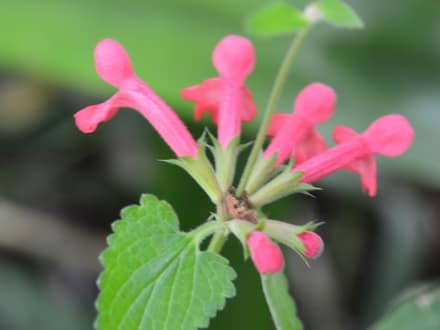
Texas Betony
Stachys coccinea
Soft mounds of felted leaves send up scarlet flower spikes for months, thriving in the part shade where few hummingbird plants will bloom..
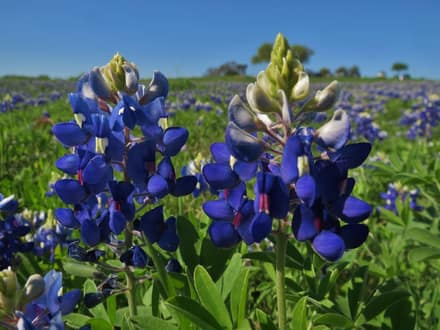
Texas Bluebonnet
Lupinus texensis
The Texas state flower — a spring-blooming annual lupine that carpets roadsides in cobalt blue.
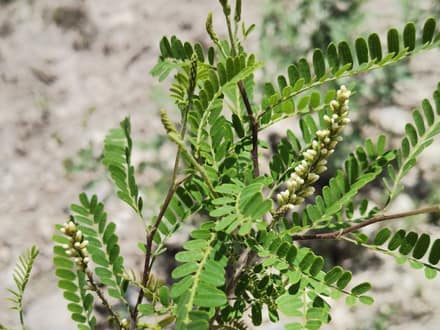
Texas Kidneywood
Eysenhardtia texana
An airy shrub that throws spikes of vanilla-scented white flowers after every rain, drawing clouds of bees and butterflies.
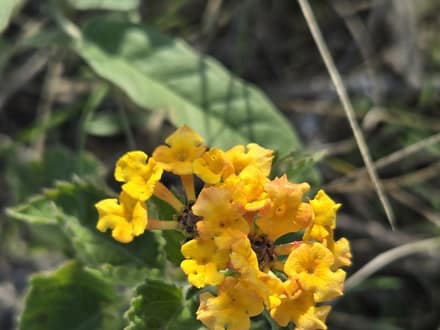
Texas Lantana
Lantana urticoides
The true native lantana, with orange-and-yellow clusters that never stop through summer heat.
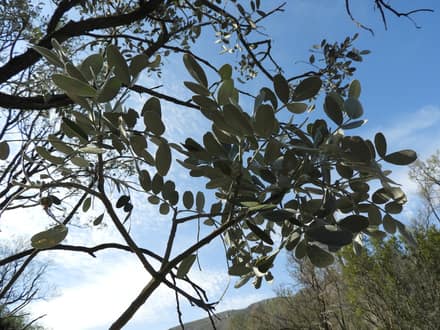
Texas Mountain Laurel
Dermatophyllum secundiflorum
A slow-growing evergreen with glossy leaves and drooping clusters of purple flowers that smell exactly like grape soda each spring.
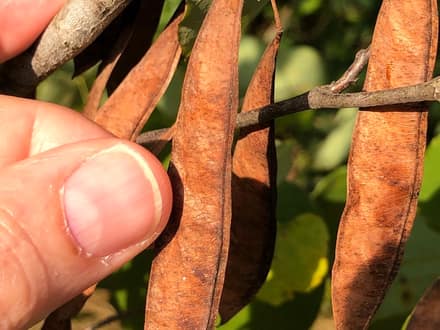
Texas Redbud
Cercis canadensis var. texensis
A small understory tree that lines its bare branches with magenta pea-flowers before the leaves appear — the classic first sign of a Texas spring.
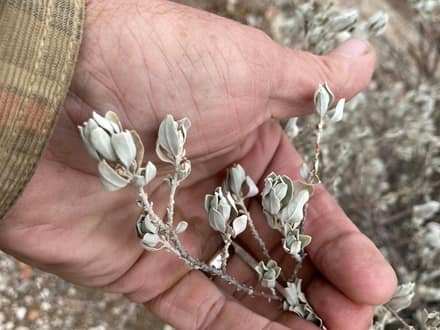
Texas Sage
Leucophyllum frutescens
A silver-leaved desert shrub that bursts into purple bloom after rain — earning its nickname 'barometer bush.' Thrives on neglect in the hottest, driest corners of a Texas yard..
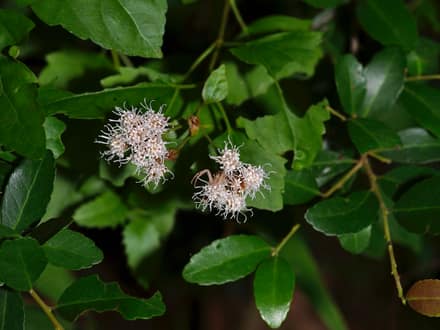
White Mistflower
Ageratina havanensis
A rounded shrub that erupts in fragrant, frothy white bloom in autumn — perfectly timed for migrating Monarchs, which can cover it in numbers..
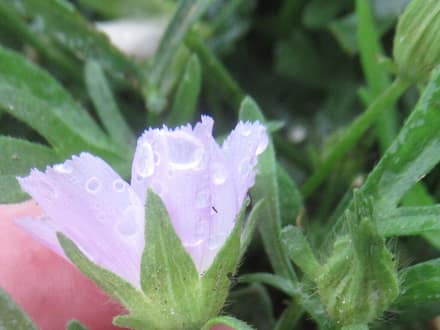
Winecup
Callirhoe involucrata
A sprawling perennial that spills chalice-shaped magenta flowers across the ground each spring.
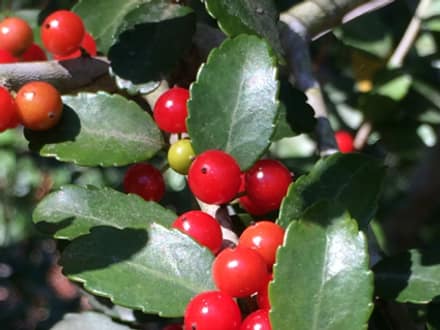
Yaupon Holly
Ilex vomitoria
An adaptable evergreen holly that takes sun or deep shade, wet or dry, and covers itself in translucent red berries that hold all winter for the birds.
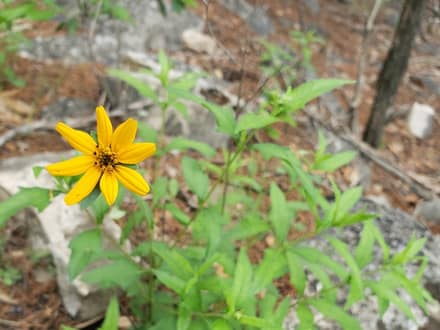
Zexmenia
Wedelia acapulcensis var. hispida
A tough, low mound of orange-gold daisies that blooms right through the summer with no help at all.
What drought-tolerant means in practice
The window that matters most is establishment, typically the first growing season after planting, sometimes longer for a tree or large shrub. During that period, water consistently to encourage deep roots. After that, the plants on this page are built to skip supplemental water through normal Texas dry spells, drawing on root systems that go well below where an irrigated lawn's roots ever reach. The bigger risk to most of these species isn't drought at all: it's the opposite. Standing water and poorly drained soil kill more drought-tolerant natives than dry weather does, since most of them evolved for fast-draining, often rocky or sandy ground.
Matching drought tolerance to plant type
The 47 species here run from large shade trees like cedar elm and escarpment live oak, both able to handle Central Texas clay and heat with no irrigation once mature, down through drought-tough shrubs like agarita and texas sage, native grasses such as buffalograss and little bluestem, and a long list of perennials and wildflowers, including blackfoot daisy and texas bluebonnet, that thrive on the same lean, dry conditions that would stress a typical bedding plant.
FAQ
How long does a drought-tolerant native need regular watering?
Usually one full growing season after planting, sometimes into a second year for a tree or large shrub. After that, rainfall alone is normally enough.
Can a drought-tolerant plant get too much water?
Yes. Most of these species need well-drained soil and struggle in standing water far more than they struggle in a dry spell; overwatering is a more common cause of failure than drought.
Do drought-tolerant natives need less fertilizer too?
Generally yes. Most are adapted to lean, unimproved soil and can get floppy or disease-prone with regular feeding, the same reason none of them need the fertilizer program a conventional lawn or bed does.