Home · Texas · Gregg's Mistflower
Perennial · Deer-resistant
Gregg's Mistflower
Conoclinium greggii
Also called: Palm-leaf Mistflower, Blue Mistflower
Updated 2026-09-23
A butterfly magnet without equal — its fuzzy blue flowers are the single best plant for pulling Queen and Monarch butterflies into a Texas garden.
Gregg's mistflower is about as close to a guaranteed butterfly magnet as a Texas garden gets. Its fuzzy blue flowers are widely considered one of the single best plants for pulling queen and monarch butterflies in, and it does the job on a low, spreading colony that asks for very little in return.
Growing & care
Spreads by rhizome to form a low colony; give it room or edge it in. Cut back hard after frost. Tolerates poor soil and drought once established.
Where Gregg's mistflower grows in Texas
The Native Plant Society of Texas places its native range in the Chihuahuan Deserts and Southern Texas Plains, including the Chihuahuan Desert grasslands and Balcones Canyonlands, though it has become popular well beyond that native range across the state. It wants calcareous, dry, gravelly, limestone or sandy soil that drains well.
How to plant Gregg's mistflower
Plant container stock in fall or spring, in full sun for the heaviest bloom, though it tolerates part shade with fewer flowers as a result. Give it room, since it spreads by rhizome into a low colony over time.
Watering Gregg's mistflower the first year
Give it consistent water its first season, then back off as it settles in; it handles both drought and poor soil well once rooted in. It grows and spreads quickly compared to many other natives on this site.
Gregg's Mistflower care through the seasons
Cut it back hard after the first freeze, since it can get leggy without that reset each year. Edge or divide the colony if it's spreading further than wanted, since the rhizome spread that makes it such an easy filler can also carry it past its intended bed.
Common Gregg's mistflower problems
Waterlogged soil is the main risk, leading to root rot; good drainage largely avoids this. Otherwise it's a low-problem plant that handles poor soil and drought without much complaint.
Wildlife value of Gregg's mistflower
It's a larval host for Rawson's metalmark butterfly and one of the strongest nectar draws on this site for queen and monarch butterflies specifically, alongside bees and other nectar-seeking insects.
Using Gregg's mistflower in the garden
Use it as a low groundcover-scale colony in a butterfly garden, or as a filler between larger perennials where its long bloom season and rhizome spread can knit the bed together. It's a strong pairing with taller, upright bloomers like gayfeather or Maximilian sunflower.
Gregg's Mistflower FAQ
Is Gregg's mistflower good for attracting monarch butterflies?
Yes, it's considered one of the best plants for pulling in both queen and monarch butterflies specifically, alongside general bee and pollinator traffic.
Does Gregg's mistflower spread aggressively?
It spreads by rhizome into a low colony over time, faster than many other natives on this site. Giving it room from the start, or edging and dividing it as needed, keeps it where you want it.
When should I cut back Gregg's mistflower?
After the first hard freeze. Skipping that yearly reset tends to leave the plant leggy going into the next growing season.
Bloom season
In bloom: Apr–Nov · Colors: blue, purple
Where to buy
Look for gregg's mistflower (Conoclinium greggii) at: native Texas nurseries, Prairie Moon Nursery.
Sources
Range, nomenclature, and the USDA symbol above come from the federal plant record for this species. Check it yourself:
Good for
Plant it with
Natives that pair with gregg's mistflower
Same conditions, same uses — species that share gregg's mistflower's growing requirements and belong in the same bed.
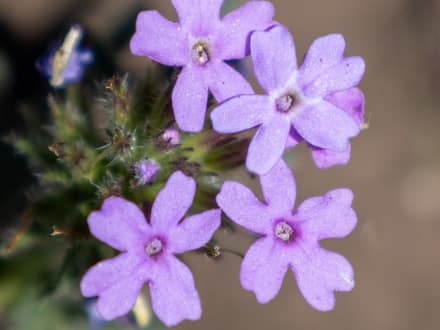
Prairie Verbena
Glandularia bipinnatifida
A low, spreading mat of purple flower clusters that bloom nearly nonstop and draw butterflies constantly.
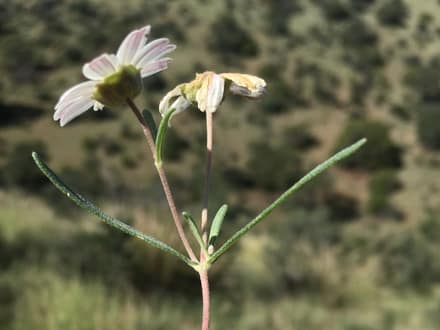
Blackfoot Daisy
Melampodium leucanthum
A tidy mound smothered in honey-scented white daisies for most of the year.
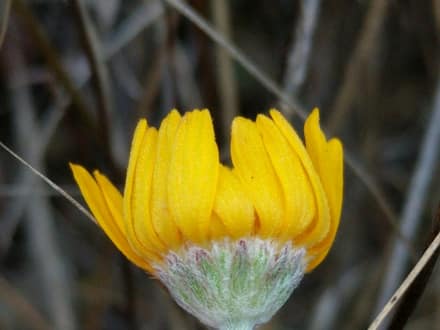
Four-nerve Daisy
Tetraneuris scaposa
A tidy evergreen tuft that lofts cheerful yellow daisies on wiry stems in nearly every month of the year.
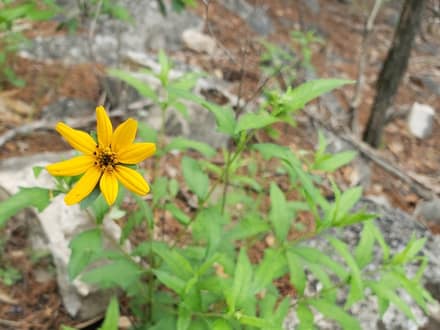
Zexmenia
Wedelia acapulcensis var. hispida
A tough, low mound of orange-gold daisies that blooms right through the summer with no help at all.
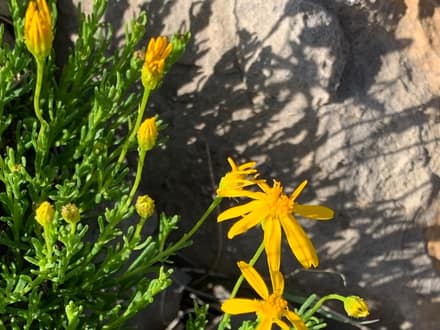
Damianita
Chrysactinia mexicana
A low evergreen cushion of fine, aromatic foliage smothered in golden daisies in spring and again in fall.
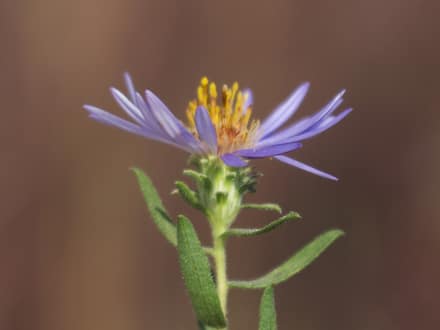
Fall Aster
Symphyotrichum oblongifolium
A mounding aster that vanishes into the background all summer, then bursts into a haze of blue-purple daisies in October — a lifeline of late nectar for pollinators..