Home · Texas · For Butterflies
Texas · For Butterflies
Butterfly Plants for Texas
Updated 2026-09-11
The 9 species on this page are nectar sources for adult butterflies, not the host plants their caterpillars actually eat. Several of these carry extra weight in fall, since Texas sits directly in the path of the southbound monarch migration and a yard planted with the right bloomers becomes a fueling stop rather than just a pretty bed.
9 plants
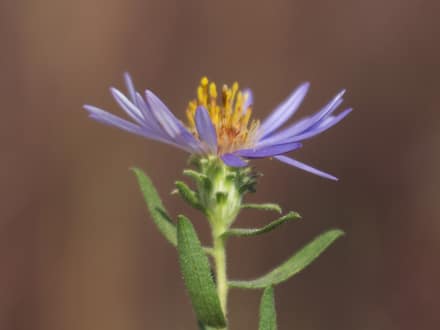
Fall Aster
Symphyotrichum oblongifolium
A mounding aster that vanishes into the background all summer, then bursts into a haze of blue-purple daisies in October — a lifeline of late nectar for pollinators..
Gayfeather
Liatris mucronata
Spires of feathery purple that open top-down in fall, when Monarchs are moving through and desperate for nectar.
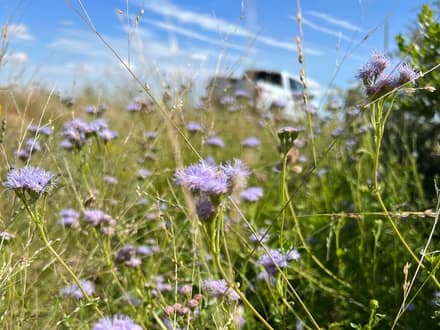
Gregg's Mistflower
Conoclinium greggii
A butterfly magnet without equal — its fuzzy blue flowers are the single best plant for pulling Queen and Monarch butterflies into a Texas garden..
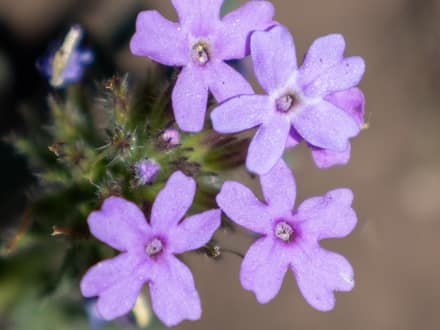
Prairie Verbena
Glandularia bipinnatifida
A low, spreading mat of purple flower clusters that bloom nearly nonstop and draw butterflies constantly.
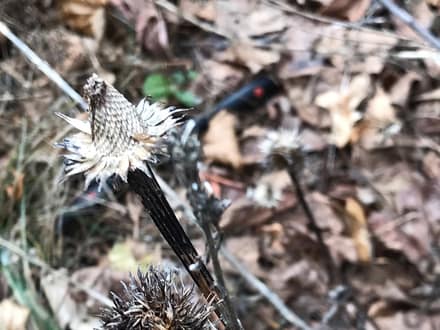
Purple Coneflower
Echinacea purpurea
A prairie staple whose big rosy daisies feed butterflies in summer and finches in winter.
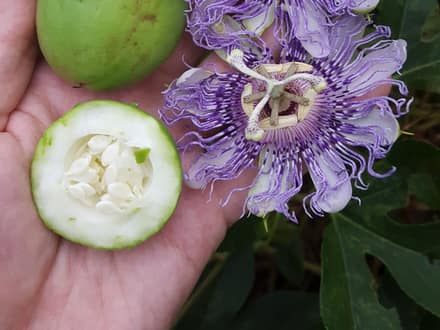
Purple Passionflower
Passiflora incarnata
An extravagant, fringed purple flower unlike anything else native, followed by egg-sized edible fruit.
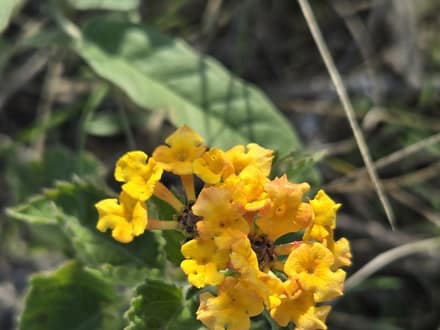
Texas Lantana
Lantana urticoides
The true native lantana, with orange-and-yellow clusters that never stop through summer heat.
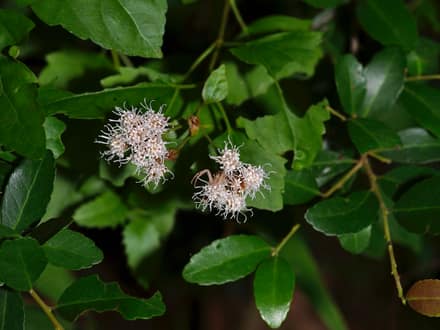
White Mistflower
Ageratina havanensis
A rounded shrub that erupts in fragrant, frothy white bloom in autumn — perfectly timed for migrating Monarchs, which can cover it in numbers..
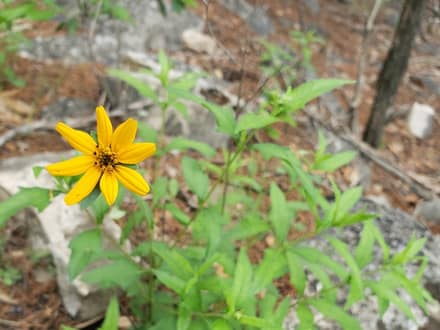
Zexmenia
Wedelia acapulcensis var. hispida
A tough, low mound of orange-gold daisies that blooms right through the summer with no help at all.
Fall nectar for the monarch migration
For the separate and shorter list of plants a butterfly's caterpillars actually eat, see caterpillar host plants. Fall aster and white mistflower both hold off blooming until October and November, right as monarchs pass through Texas on their way to their wintering grounds in Mexico and are hunting for fuel. Gregg's mistflower blooms far longer, from April through November, so it covers both the regular summer butterfly season and the fall migration window in a single plant. Planting even one of these three fall bloomers does more for a passing monarch than a bed that peaks in June and is bare by September.
Season-long nectar for resident butterflies
Texas lantana and zexmenia both bloom from spring frost to fall frost, about as long a season as any native on the site, and both hold up to full sun and drought without slowing down. Purple coneflower and prairie verbena work the same stretch at a shorter height, useful for a front-of-border planting where the taller lantana would block the view. Purple passionflower is the outlier on this list, a vine rather than a bed plant, but it's worth including for the amount of nectar and cover it offers where there's a fence or trellis to climb.
FAQ
What native Texas plants attract monarch butterflies in fall?
Fall aster and white mistflower bloom specifically in October and November, matching the fall monarch migration through Texas. Gregg's mistflower blooms long enough to cover that window too, on top of the regular summer butterfly season.
What's the difference between a butterfly plant and a host plant?
A butterfly or nectar plant, everything on this page, feeds adult butterflies. A host plant is what a specific species lays eggs on and its caterpillars actually eat, which is a separate list on this site.
Which of these butterfly plants blooms the longest?
Texas lantana and zexmenia both bloom from spring through the first fall frost, the longest season of any plant on this page.