Home · Texas · Caterpillar Host Plants
Texas · Caterpillar Host Plants
Caterpillar Host Plants for Texas
Updated 2026-09-11
A host plant is different from a nectar plant: it's what a butterfly or moth actually lays its eggs on, and what the caterpillars eat once they hatch, often stripping leaves in the process. That damage is the point. The 4 species here are for gardeners specifically trying to raise butterflies, not just feed them.
4 plants
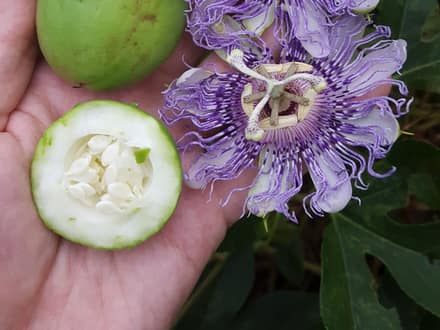
Purple Passionflower
Passiflora incarnata
An extravagant, fringed purple flower unlike anything else native, followed by egg-sized edible fruit.
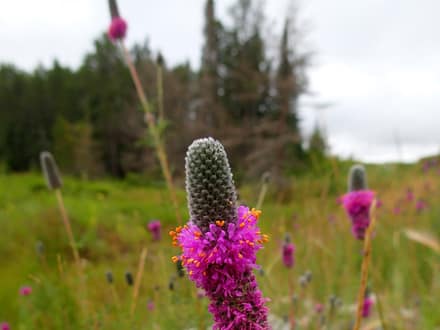
Purple Prairie Clover
Dalea purpurea
A fine-textured prairie legume with thimbles of purple bloom ringed in orange pollen.
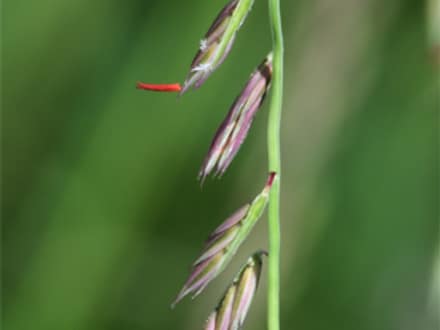
Sideoats Grama
Bouteloua curtipendula
The state grass of Texas, hanging its tiny oat-like seeds along one side of each stem, tinged with orange-red pollen.
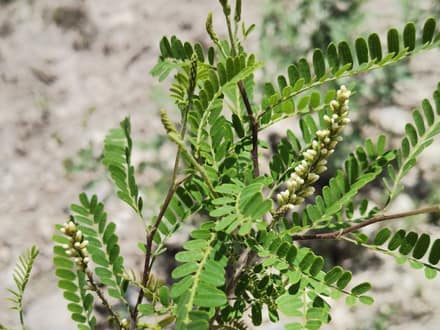
Texas Kidneywood
Eysenhardtia texana
An airy shrub that throws spikes of vanilla-scented white flowers after every rain, drawing clouds of bees and butterflies.
Which butterflies and moths use these plants
For the site's separate lists of nectar plants for adult insects, see butterfly plants and pollinator plants. Purple passionflower carries the most specific relationship on this list: the gulf fritillary can't complete its life cycle without this plant or a close relative, which makes it the one to plant if raising that species specifically is the goal. Sideoats grama, the state grass of Texas, hosts several skipper butterflies. Texas kidneywood hosts several sulphur butterflies, and purple prairie clover hosts a handful of small butterfly species as well as feeding specialist bees as an adult-stage nectar source.
Expect and welcome the damage
A host plant that never shows chewed leaves usually means no caterpillars found it. Purple passionflower especially should go somewhere you don't mind heavy leaf damage or a bare stretch of vine now and then, since a healthy gulf fritillary population can chew it back hard before new growth fills in. This one also suckers outward from the base over time, so give it room to expand rather than penning it into a tight bed.
FAQ
What's the best native Texas plant for raising butterflies at home?
Purple passionflower. The gulf fritillary and a few related longwing species depend on it (or a close relative) to complete their life cycle, so a reliable population needs it planted nearby.
Should I be worried if something is eating my host plant's leaves?
No, that's the intended purpose. Chewed leaves on purple passionflower, sideoats grama, texas kidneywood, or purple prairie clover usually mean caterpillars found the plant and are doing exactly what a host plant is for.
What's the difference between this list and the pollinator or butterfly listings?
Those two are nectar sources for adult insects. This list is what the caterpillar stage actually eats, which is a much shorter list since most butterflies rely on a narrow range of host species.