Home · Texas · Texas Kidneywood
Shrub · Deer-resistant
Texas Kidneywood
Eysenhardtia texana
Also called: Bee-brush Kidneywood
Updated 2026-09-23
An airy shrub that throws spikes of vanilla-scented white flowers after every rain, drawing clouds of bees and butterflies. A larval host for several sulphur butterflies.
Kidneywood has a trick few other shrubs pull off: it throws spikes of vanilla-scented white flowers after nearly every rain through the warm months, drawing clouds of bees each time. That rain-triggered rebloom, on top of a naturally airy, open form, makes it one of the more distinctive fragrant shrubs available for a Texas garden.
Growing & care
Blooms repeatedly through summer on rocky, alkaline soil. Deer nibble but rarely destroy it. Cut back in late winter to keep it full.
Where Texas kidneywood grows in Texas
The Native Plant Society of Texas lists it across seven ecoregions, including the Edwards Plateau, Chihuahuan Desert areas, Southern Texas Plains and Gulf Coast Prairies, spanning west Texas through much of Central Texas. It grows in brushy vegetation on dry hills and in canyons, tolerating caliche, clay, dry loam or sandy, well-drained soil.
How to plant Texas kidneywood
Plant container stock in fall or spring, in full sun to part shade. It wants very low to low water, so a lean, well-drained spot suits it far better than a rich, regularly irrigated bed.
Watering Texas kidneywood the first year
Growth is fast for a drought-adapted shrub once it's rooted in; keep the root zone from drying out completely for the first several weeks, then let it manage on its own.
Texas Kidneywood care through the seasons
Cut it back in late winter to keep the naturally airy form full rather than sparse. It reblooms repeatedly through summer on its own, timed to rainfall rather than the calendar.
Common Texas kidneywood problems
Deer will nibble it occasionally but rarely do serious damage, so it holds up reasonably well even where deer pressure is a concern. Otherwise it has few problems on the dry, well-drained ground it's suited to.
Wildlife value of Texas kidneywood
It's a larval host for the southern dogface butterfly, and its rain-triggered blooms are a strong draw for bees specifically, alongside general pollinator traffic.
Using Texas kidneywood in the garden
Use it as a fragrant specimen shrub near a patio or window where its post-rain blooms can be appreciated up close, or as part of a mixed native hedgerow. Its airy, open form also works well planted where a dense, solid screen isn't the goal.
Texas Kidneywood FAQ
Why does kidneywood bloom after it rains?
It's a natural rain-triggered flowering response. Rather than blooming on a fixed calendar schedule, established plants tend to throw a fresh flush of fragrant white flowers within days of a good rain through the warm months.
What does kidneywood smell like?
Its small white flower spikes carry a distinct vanilla fragrance, which is part of why it's valued as a fragrant garden shrub beyond just its bee and butterfly appeal.
Is kidneywood deer resistant?
Mostly. Deer will browse it occasionally, but it rarely suffers serious damage, making it a reasonably safe choice even where deer pressure is a factor.
Bloom season
In bloom: May–Oct · Colors: white
Where to buy
Look for texas kidneywood (Eysenhardtia texana) at: native Texas nurseries.
Sources
Range, nomenclature, and the USDA symbol above come from the federal plant record for this species. Check it yourself:
Good for
Plant it with
Natives that pair with texas kidneywood
Same conditions, same uses — species that share texas kidneywood's growing requirements and belong in the same bed.
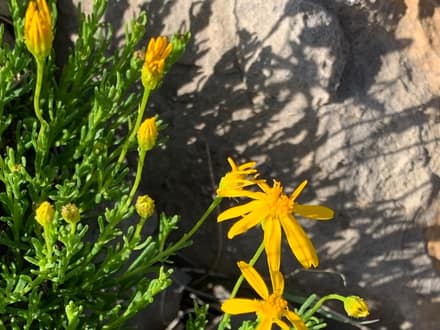
Damianita
Chrysactinia mexicana
A low evergreen cushion of fine, aromatic foliage smothered in golden daisies in spring and again in fall.
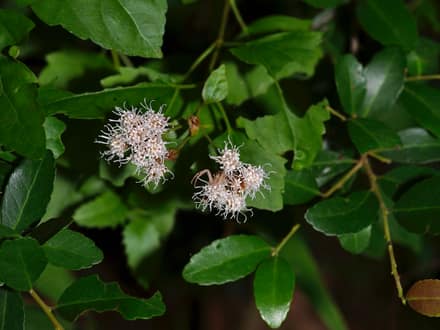
White Mistflower
Ageratina havanensis
A rounded shrub that erupts in fragrant, frothy white bloom in autumn — perfectly timed for migrating Monarchs, which can cover it in numbers..
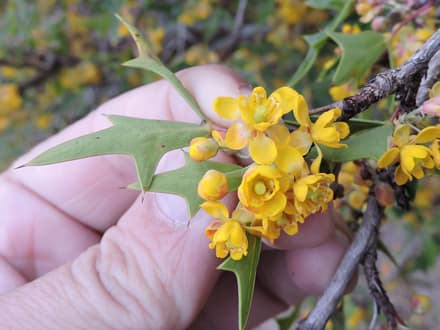
Agarita
Berberis trifoliolata
A spiny blue-grey evergreen that bees swarm in late winter and birds nest inside for protection.
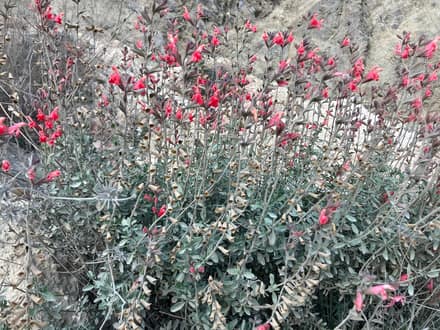
Autumn Sage
Salvia greggii
The workhorse of the water-wise Texas garden: a small evergreen shrub that blooms nearly year-round and shrugs off heat, drought, and deer..
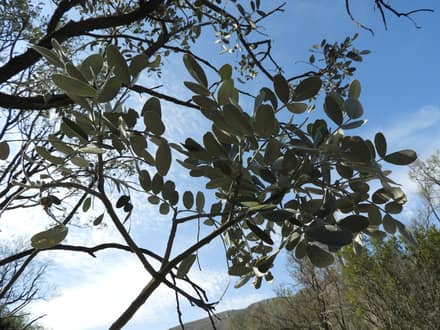
Texas Mountain Laurel
Dermatophyllum secundiflorum
A slow-growing evergreen with glossy leaves and drooping clusters of purple flowers that smell exactly like grape soda each spring.
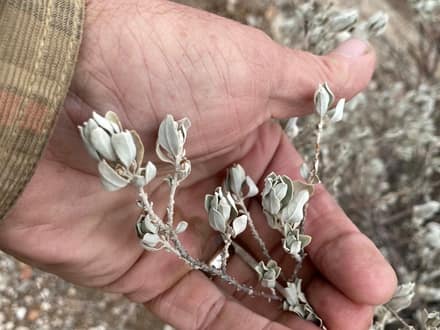
Texas Sage
Leucophyllum frutescens
A silver-leaved desert shrub that bursts into purple bloom after rain — earning its nickname 'barometer bush.' Thrives on neglect in the hottest, driest corners of a Texas yard..