Home · Texas · Lawn Replacement
Texas · Lawn Replacement
Native Lawn Replacements for Texas
Updated 2026-09-11
This page is the plant list: the 4 species the site recommends in place of Bermuda or St. Augustine turf. A separate guide covers the full step-by-step process, killing the existing grass, timing, and establishment. Use this page to decide which of the 4 fits your yard.
4 plants
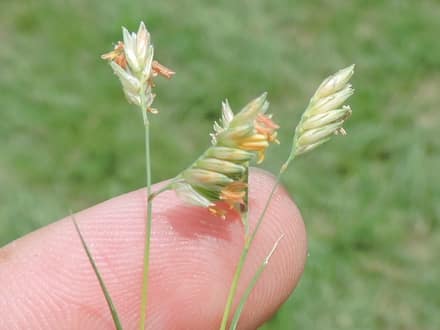
Buffalograss
Bouteloua dactyloides
North America's true native turf grass — a fine, soft, blue-green sod that forms a low lawn on a fraction of the water Bermuda or St.
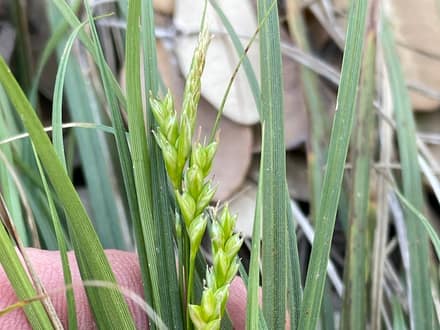
Cedar Sedge
Carex planostachys
A fine, arching native sedge that forms a soft green carpet in the dry shade beneath cedars and oaks — one of the very few things that will grow, and hold soil, there..
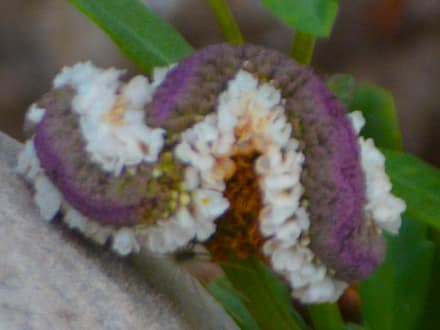
Frogfruit
Phyla nodiflora
A flat, spreading mat that takes light foot traffic and blooms with tiny pollinator flowers — the leading native lawn substitute for sun to part shade in Texas..
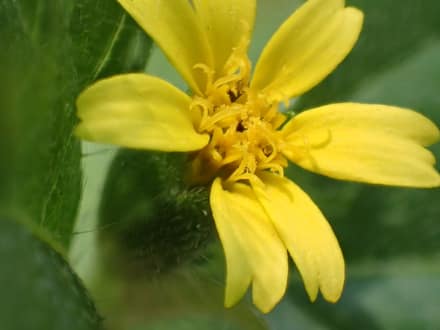
Horseherb
Calyptocarpus vialis
A soft, low groundcover that quietly replaces lawn in the shade where turf fails, threading tiny yellow flowers through its foliage for pollinators nearly year-round..
Matching the plant to your yard, not the other way around
For the full step-by-step process, the lawn replacement guide covers that in detail. Buffalograss is the one true turf substitute here, wanting an open, sunny spot with soil that drains well, and it's the closest thing to a conventional mowed lawn. Frogfruit takes similar light but also tolerates some foot traffic while flowering, so it works where you want more than a plain green surface. Horseherb and cedar sedge are both for shade, exactly where buffalograss and frogfruit fail: horseherb as a soft groundcover for part to full shade, cedar sedge specifically for the low-light, root-choked ground beneath a mature tree where almost nothing else grows.
How much to convert at once
None of these need to replace an entire lawn on day one. A common approach is starting with the hardest-to-grow section, a shaded strip under a tree, a hell strip, or a slope, since that's already losing the battle with turf and is the easiest place to see the difference. Run your actual square footage through the site's lawn calculator to see the water and mowing time a given conversion size would save before committing to more.
FAQ
Which of these is closest to a normal lawn?
Buffalograss. It's the only true turf grass on the list and can be mowed, though it also does well left unmowed for a softer, meadow-like look.
Can I walk on frogfruit like a lawn?
It tolerates light, occasional foot traffic once established, but not the regular daily use a mowed buffalograss area or conventional turf would handle.
What replaces grass in shade, where lawns always fail?
Horseherb for part to full shade generally, and cedar sedge specifically for the driest shade under a mature tree's canopy, where even horseherb can struggle.