Texas · Fragrant
Fragrant Native Plants for Texas
Updated 2026-09-11
Fragrance in a native garden mostly comes from two different sources: flowers you smell when you walk past, and foliage that releases scent only when it's brushed or crushed. The 6 species here cover both, plus one of the most recognizable garden scents in Central Texas.
6 plants
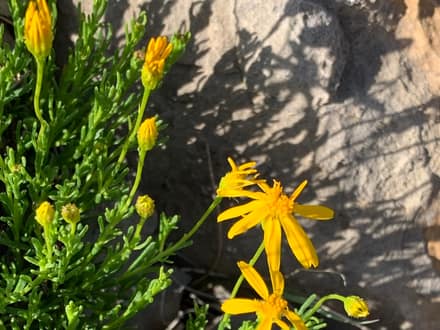
Damianita
Chrysactinia mexicana
A low evergreen cushion of fine, aromatic foliage smothered in golden daisies in spring and again in fall.
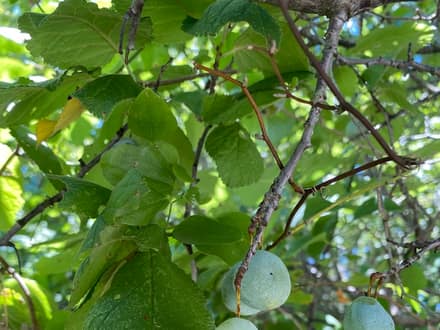
Mexican Plum
Prunus mexicana
A single-trunked native plum that clouds itself in fragrant white blossom in late winter — one of the earliest nectar sources of the year — then sets small plums the wildlife take..
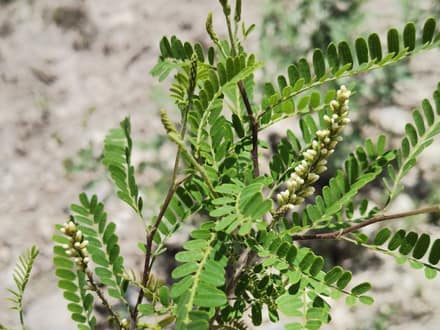
Texas Kidneywood
Eysenhardtia texana
An airy shrub that throws spikes of vanilla-scented white flowers after every rain, drawing clouds of bees and butterflies.
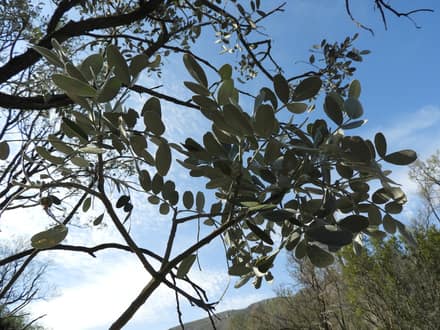
Texas Mountain Laurel
Dermatophyllum secundiflorum
A slow-growing evergreen with glossy leaves and drooping clusters of purple flowers that smell exactly like grape soda each spring.
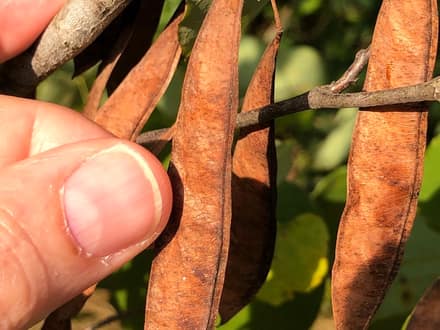
Texas Redbud
Cercis canadensis var. texensis
A small understory tree that lines its bare branches with magenta pea-flowers before the leaves appear — the classic first sign of a Texas spring.
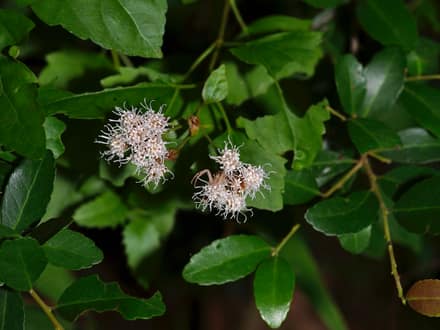
White Mistflower
Ageratina havanensis
A rounded shrub that erupts in fragrant, frothy white bloom in autumn — perfectly timed for migrating Monarchs, which can cover it in numbers..
Flowers you can smell from a few feet away
Texas mountain laurel is the standout here, its purple spring flower clusters carrying a scent widely compared to grape soda, strong enough to notice well before you reach the plant. Texas kidneywood blooms later, its small white flower spikes giving off a scent often described as sweet, closer to vanilla, and it keeps blooming on and off from late spring through fall rather than for just a few weeks. Mexican plum's white flowers open in late winter, ahead of almost everything else in the garden, and carry a lighter, sweet fragrance typical of plum blossom.
Foliage fragrance and shrub-scale flowers
Damianita works differently from the rest of this list: its real fragrance is in the foliage, a resinous scent released when the leaves are brushed or crushed rather than carried on the air from the flowers. Texas redbud and white mistflower round out the list with their own flower clusters, magenta and pink in early spring for redbud, white in fall for white mistflower, both worth including in a fragrance-focused bed even where the scent is milder than mountain laurel or kidneywood.
FAQ
What native Texas plant smells like grape soda?
Texas mountain laurel. Its purple spring flower clusters carry a scent widely compared to grape soda or grape Kool-Aid, one of the most recognizable garden scents in Central Texas.
Which native Texas shrub has vanilla-scented flowers?
Texas kidneywood. Its small white flower spikes are often described as smelling sweet, close to vanilla, and it reblooms through most of the growing season rather than flowering just once.
Are any fragrant Texas natives fragrant in the leaves rather than the flowers?
Damianita is. Its foliage releases a resinous scent when brushed or crushed, unlike the rest of this list, which is fragrant mainly through its flowers.