Tree
Mexican Plum
Prunus mexicana
Also called: Bigtree Plum
Updated 2026-09-23
A single-trunked native plum that clouds itself in fragrant white blossom in late winter — one of the earliest nectar sources of the year — then sets small plums the wildlife take.
Mexican plum clouds itself in fragrant white blossom in late winter, weeks before most other trees have woken up, making it one of the earliest nectar sources bees find each year. The small plums that follow feed wildlife through summer, and the tree's single-trunk form and modest mature size make it a genuinely useful understory or specimen tree for a smaller yard.
Growing & care
Adaptable to most soils with decent drainage. Little care once established. The early bloom feeds bees weeks before most plants wake up.
Where Mexican plum grows in Texas
The Native Plant Society of Texas lists it across the Cross Timbers, East Central Texas Plains, Edwards Plateau, Gulf Coast Prairies and Marshes, Texas Blackland Prairies and Western Gulf Coastal Plain, essentially the whole eastern half of Texas and a good stretch of Central Texas besides. It grows naturally in dry to moist thin woods, river bottoms and prairies as an understory tree, and it adapts to clay, dry, loam, moist, rocky or sandy well-drained soil.
How to plant Mexican plum
Plant container or balled-and-burlapped stock in fall or winter, in full sun to part shade. It prefers deep soil with good drainage and is worth siting away from paved surfaces or a formal rain garden, since dropped fruit can make a mess in either setting.
Watering Mexican plum the first year
Water regularly through the first couple of growing seasons while it establishes. Growth is moderate to slow, and once it's rooted in it needs relatively little supplemental water.
Mexican Plum care through the seasons
Avoid pruning in late winter, since the flowers form on old wood and a late cut removes the coming season's bloom. Prune instead right after flowering if shaping is needed.
Common Mexican plum problems
Fruit drop is the main practical issue: the small plums that ripen through summer will litter a paved walkway or patio underneath the tree, so siting matters more than any actual pest or disease risk. Otherwise it's an adaptable, low-problem tree.
Wildlife value of Mexican plum
The late-winter flowers are one of the earliest nectar sources of the year for bees, arriving weeks before most other plants have started blooming. It's a larval host for cecropia moths and tiger swallowtail butterflies, and birds and small mammals eat the fruit through summer.
Using Mexican plum in the garden
Use it as a specimen tree for its winter bloom display, or as an understory tree beneath larger shade trees where its smaller mature size and part-shade tolerance fit naturally. Avoid planting it directly over a patio, driveway, or paved path where dropped fruit would be a maintenance headache.
Mexican Plum FAQ
When does Mexican plum bloom?
February through April, making it one of the earliest trees to flower each year and one of the first nectar sources bees find in late winter.
Should I plant Mexican plum near a patio?
It's better avoided. The tree drops small plums through summer that can make a mess on pavement, so a lawn or planting bed underneath is a better fit than a walkway or patio.
When should I prune Mexican plum?
Right after it finishes flowering, not in late winter. The flowers form on old wood, so pruning in late winter removes buds that would have bloomed that same season.
Bloom season
In bloom: Feb–Mar · Colors: white
Where to buy
Look for mexican plum (Prunus mexicana) at: native Texas nurseries.
Guides featuring Mexican plum
- Native Alternatives to Common Non-Native Plants in Texas
- Texas Native Plant Calendar: What to Plant, Sow and Prune by Season
Sources
Range, nomenclature, and the USDA symbol above come from the federal plant record for this species. Check it yourself:
Good for
Plant it with
Natives that pair with mexican plum
Same conditions, same uses — species that share mexican plum's growing requirements and belong in the same bed.
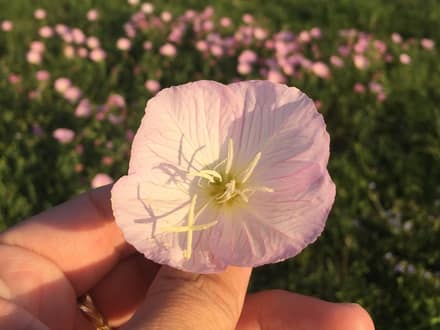
Pink Evening Primrose
Oenothera speciosa
The pink cups that wash over Texas fields and roadsides in spring.
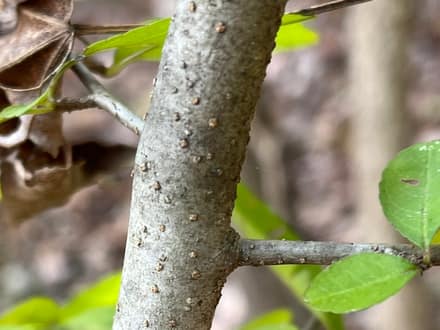
Possumhaw Holly
Ilex decidua
Drops its leaves in fall to reveal branches packed with scarlet berries that glow through winter and feed cedar waxwings and robins in late season..
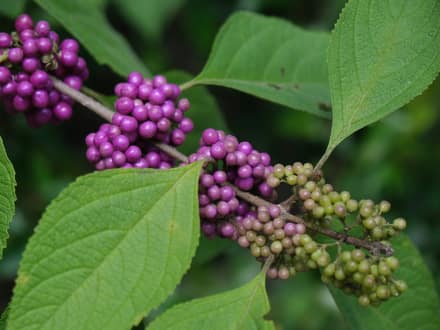
American Beautyberry
Callicarpa americana
Grown for its show-stopping clusters of electric-purple berries in fall — a feast for mockingbirds and dozens of other birds — on a graceful arching shrub..
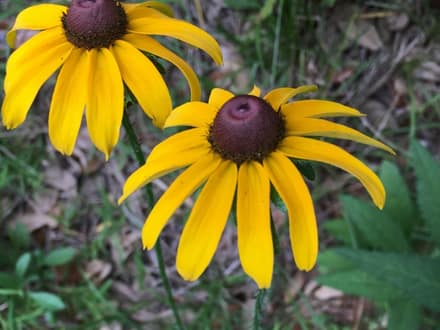
Black-eyed Susan
Rudbeckia hirta
The classic golden prairie daisy — cheerful, tough, and endlessly reseeding.
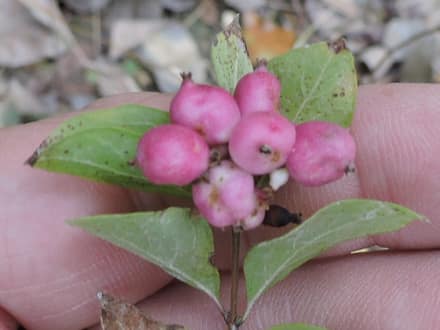
Coralberry
Symphoricarpos orbiculatus
A modest suckering shrub for shade that comes into its own in fall, when the arching branches string themselves with clusters of coral-pink berries the birds strip by spring..
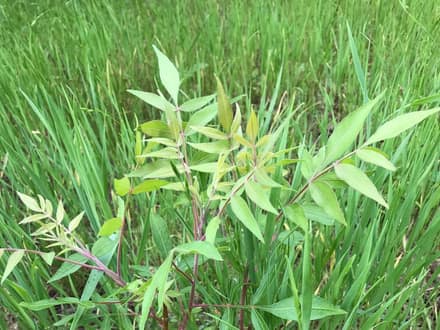
Flameleaf Sumac
Rhus lanceolata
A small native tree grown for the best red-orange fall color in central Texas, plus summer flower panicles for bees and red berry clusters that feed birds into winter..