Texas · Bird-Friendly
Bird-Friendly Native Plants for Texas
Updated 2026-09-11
Birds need three things from a yard that a mowed lawn and a few nursery shrubs rarely provide: fruit, seed, and cover to nest or shelter in. The 14 species here split fairly cleanly across those three jobs, and a yard that has at least one from each category feeds and shelters far more bird activity than a yard planted for looks alone.
14 plants
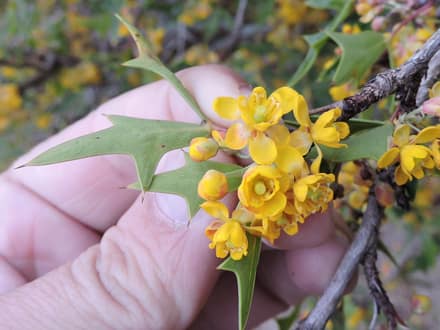
Agarita
Berberis trifoliolata
A spiny blue-grey evergreen that bees swarm in late winter and birds nest inside for protection.
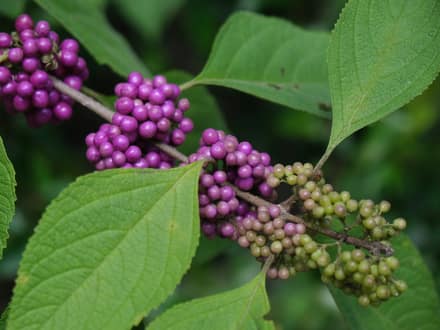
American Beautyberry
Callicarpa americana
Grown for its show-stopping clusters of electric-purple berries in fall — a feast for mockingbirds and dozens of other birds — on a graceful arching shrub..
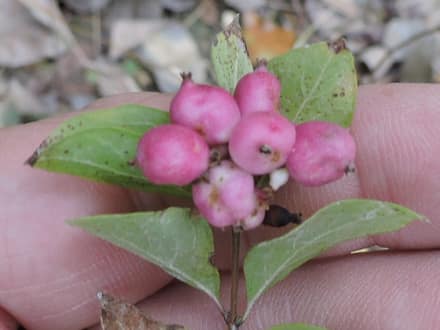
Coralberry
Symphoricarpos orbiculatus
A modest suckering shrub for shade that comes into its own in fall, when the arching branches string themselves with clusters of coral-pink berries the birds strip by spring..
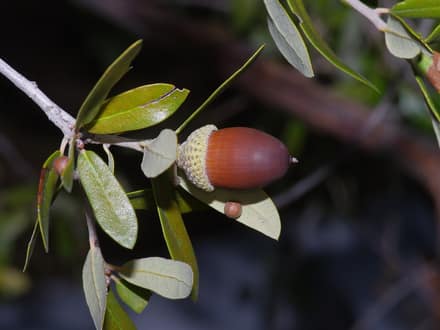
Escarpment Live Oak
Quercus fusiformis
The iconic sprawling evergreen oak of the Hill Country, holding its leaves through winter and dropping acorns that feed everything from jays to deer..
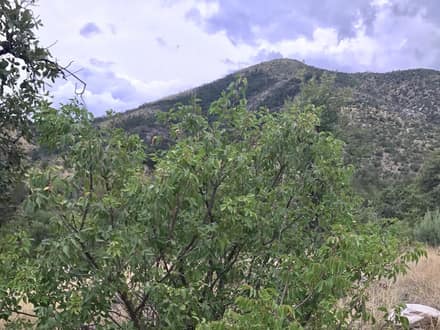
Evergreen Sumac
Rhus virens
A lush, glossy evergreen that looks far too refined for how tough it is — a superb native screen or hedge that bees work in late summer and birds fruit on in fall..
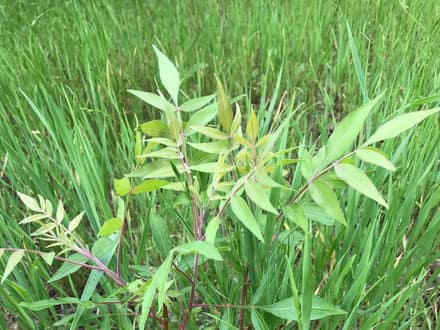
Flameleaf Sumac
Rhus lanceolata
A small native tree grown for the best red-orange fall color in central Texas, plus summer flower panicles for bees and red berry clusters that feed birds into winter..
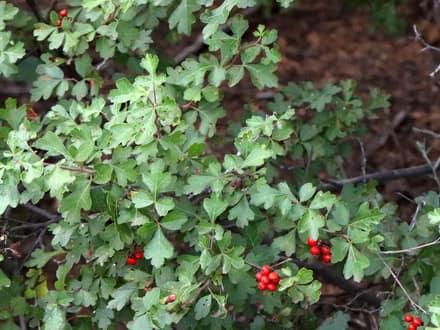
Fragrant Sumac
Rhus aromatica
A low, spreading shrub that blazes orange-red in fall and holds slopes with its suckering roots.
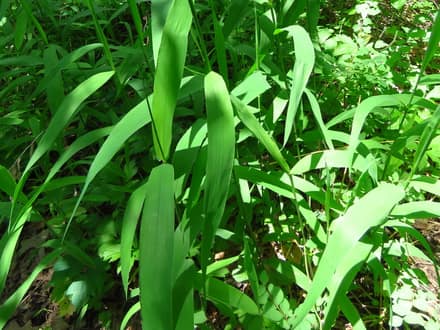
Inland Sea Oats
Chasmanthium latifolium
The rare ornamental grass that thrives in shade, dangling flat, papery seed heads that shift from green to bronze and rustle all winter.
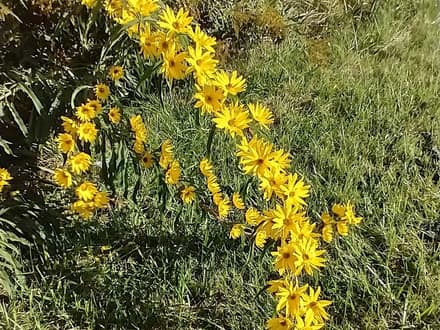
Maximilian Sunflower
Helianthus maximiliani
A towering prairie sunflower that lines its tall stems with gold in fall, feeding late pollinators and then a run of seed-eating birds.
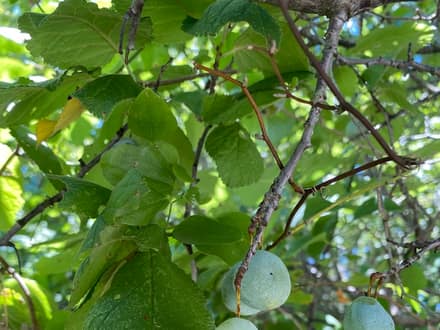
Mexican Plum
Prunus mexicana
A single-trunked native plum that clouds itself in fragrant white blossom in late winter — one of the earliest nectar sources of the year — then sets small plums the wildlife take..
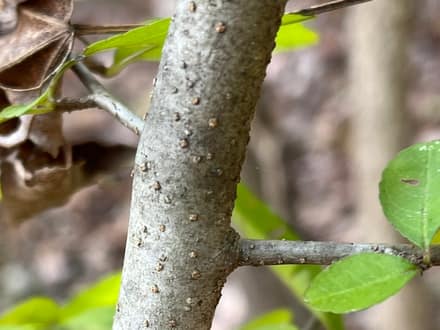
Possumhaw Holly
Ilex decidua
Drops its leaves in fall to reveal branches packed with scarlet berries that glow through winter and feed cedar waxwings and robins in late season..
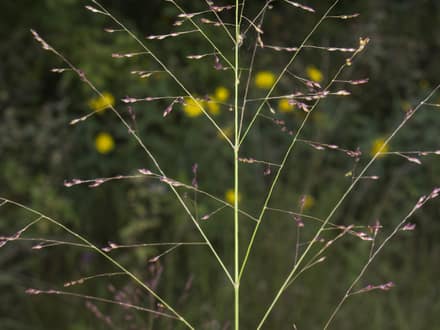
Switchgrass
Panicum virgatum
An upright prairie grass with airy pink-bronze seed clouds and gold fall color.
Wax Myrtle
Morella cerifera
A fast, dense, aromatic evergreen that makes an ideal privacy screen and fixes its own nitrogen.
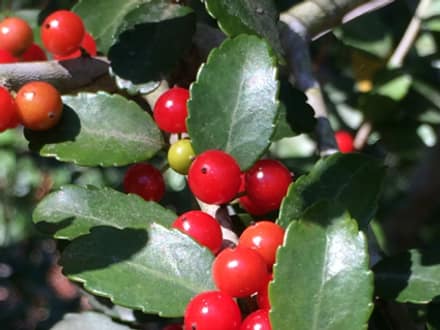
Yaupon Holly
Ilex vomitoria
An adaptable evergreen holly that takes sun or deep shade, wet or dry, and covers itself in translucent red berries that hold all winter for the birds.
Berries and fruit through fall and winter
Agarita, american beautyberry, coralberry, and possumhaw holly all carry their fruit into fall and winter, exactly when insects and seed are scarcest and birds need the calories most. Possumhaw holly is worth a special note: it's dioecious, meaning individual plants are either male or female, and only female plants produce the red winter berries the species is known for. If a possumhaw you bought never fruits, it's likely a male plant, useful for pollination but not for the berry display. Mexican plum and the three sumacs (evergreen, flameleaf, fragrant) add fruit earlier, through summer into fall.
Seed heads and nesting cover
Maximilian sunflower and switchgrass both leave standing seed heads through winter if you skip the fall cleanup, which is worth doing deliberately since goldfinches and sparrows will work those heads for weeks. For cover, escarpment live oak and the evergreen shrubs, wax myrtle and yaupon holly, hold their leaves year-round and give birds a place to hide from predators and weather in every season, not just when everything else is leafed out.
FAQ
What native Texas plants have berries for birds?
Agarita, american beautyberry, coralberry, and possumhaw holly all fruit in fall and winter. The three sumacs on this list (evergreen, flameleaf, fragrant) and mexican plum fruit earlier in the year.
Why doesn't my possumhaw holly have berries?
Possumhaw holly is dioecious, so only female plants produce berries; a male plant will flower but never fruit. If berries matter to you, confirm you're buying a female plant, or plant more than one to improve the odds.
Should I leave seed heads standing over winter?
Yes, if birds are the goal. Maximilian sunflower and switchgrass both feed seed-eating birds like goldfinches through winter if you leave the heads up instead of cutting them back in fall.