Shrub · Deer-resistant
Wax Myrtle
Morella cerifera
Also called: Southern Bayberry, Southern Wax Myrtle
A fast, dense, aromatic evergreen that makes an ideal privacy screen and fixes its own nitrogen. Waxy blue berries feed yellow-rumped warblers and other birds through winter.
Growing & care
Grows quickly into a screen or small multi-trunk tree. Takes sun to shade, wet to dry. Shears well; thin occasionally to show off the trunks.
Bloom season
In bloom: Mar–Apr · Colors: green
Where to buy
Look for wax myrtle (Morella cerifera) at: native Texas nurseries, local garden centers.
Sources
Range, nomenclature, and the USDA symbol above come from the federal plant record for this species. Check it yourself:
Good for
Plant it with
Natives that pair with wax myrtle
Same conditions, same uses — species that share wax myrtle's growing requirements and belong in the same bed.
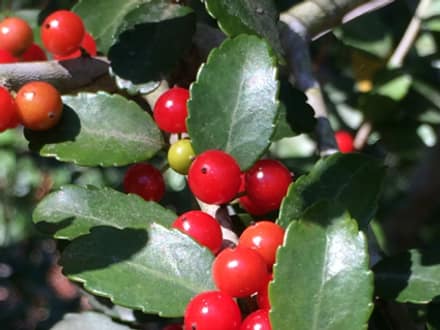
Yaupon Holly
Ilex vomitoria
An adaptable evergreen holly that takes sun or deep shade, wet or dry, and covers itself in translucent red berries that hold all winter for the birds.
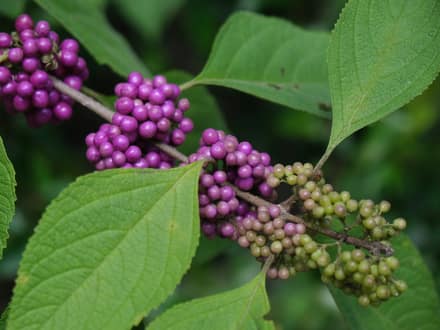
American Beautyberry
Callicarpa americana
Grown for its show-stopping clusters of electric-purple berries in fall — a feast for mockingbirds and dozens of other birds — on a graceful arching shrub..
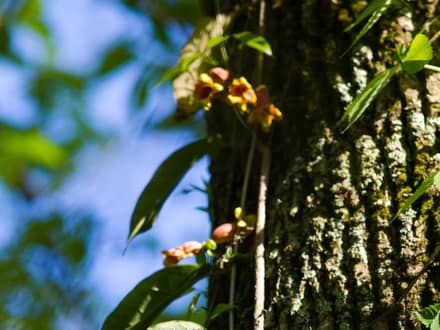
Crossvine
Bignonia capreolata
A vigorous semi-evergreen climber that covers a fence or arbor in orange-red trumpets in early spring — timed for the first returning hummingbirds.
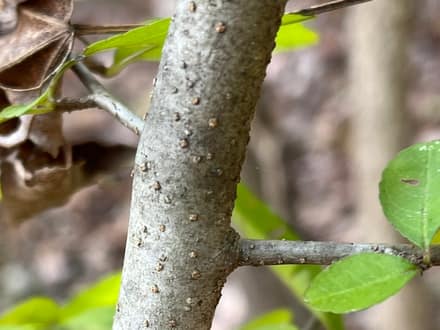
Possumhaw Holly
Ilex decidua
Drops its leaves in fall to reveal branches packed with scarlet berries that glow through winter and feed cedar waxwings and robins in late season..
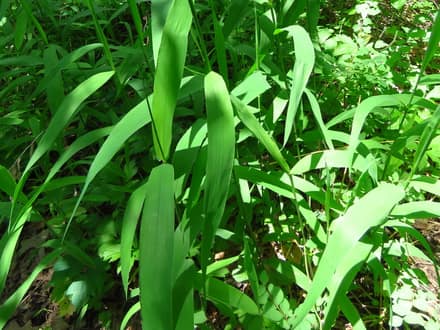
Inland Sea Oats
Chasmanthium latifolium
The rare ornamental grass that thrives in shade, dangling flat, papery seed heads that shift from green to bronze and rustle all winter.
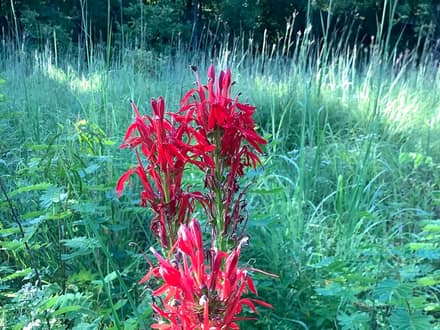
Cardinal Flower
Lobelia cardinalis
Spikes of the most intense scarlet of any native flower, rising from moist shade in late summer.