Home · Texas · Flameleaf Sumac
Tree · Deer-resistant
Flameleaf Sumac
Rhus lanceolata
Also called: Prairie Flameleaf Sumac, Texas Sumac
A small native tree grown for the best red-orange fall color in central Texas, plus summer flower panicles for bees and red berry clusters that feed birds into winter.
Growing & care
Suckers to form a thicket unless you remove sprouts — useful for naturalizing, manage where you want a single tree. Bone-dry tolerant on rocky ground.
Bloom season
In bloom: Jun–Aug · Colors: white
Where to buy
Look for flameleaf sumac (Rhus lanceolata) at: native Texas nurseries.
Sources
Range, nomenclature, and the USDA symbol above come from the federal plant record for this species. Check it yourself:
Good for
Plant it with
Natives that pair with flameleaf sumac
Same conditions, same uses — species that share flameleaf sumac's growing requirements and belong in the same bed.
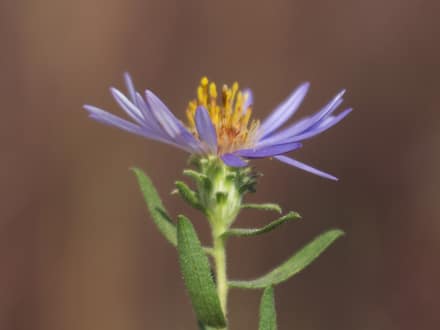
Fall Aster
Symphyotrichum oblongifolium
A mounding aster that vanishes into the background all summer, then bursts into a haze of blue-purple daisies in October — a lifeline of late nectar for pollinators..
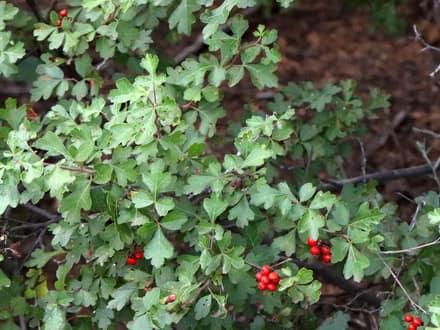
Fragrant Sumac
Rhus aromatica
A low, spreading shrub that blazes orange-red in fall and holds slopes with its suckering roots.
Gayfeather
Liatris mucronata
Spires of feathery purple that open top-down in fall, when Monarchs are moving through and desperate for nectar.
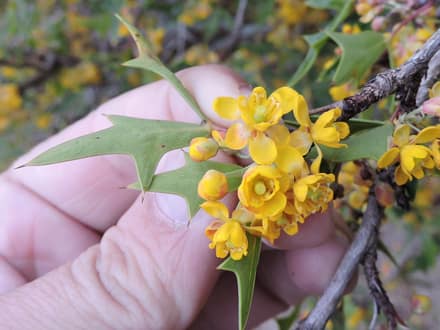
Agarita
Berberis trifoliolata
A spiny blue-grey evergreen that bees swarm in late winter and birds nest inside for protection.
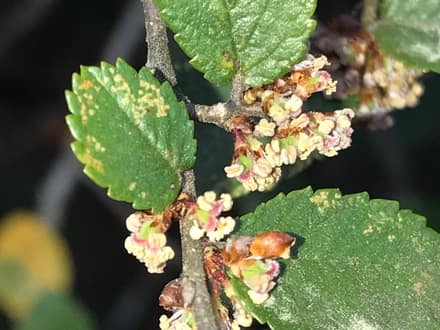
Cedar Elm
Ulmus crassifolia
The toughest large shade tree for central Texas — takes heavy clay, drought, and heat, then turns gold in fall.
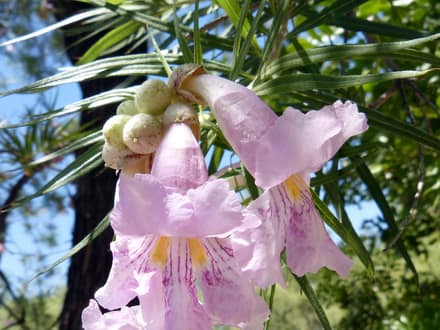
Desert Willow
Chilopsis linearis
A slender desert tree that produces orchid-like trumpet flowers all summer on almost no water.