Tree · Deer-resistant
Cedar Elm
Ulmus crassifolia
Also called: Fall Elm
The toughest large shade tree for central Texas — takes heavy clay, drought, and heat, then turns gold in fall. The reliable native alternative to thirsty imports.
Growing & care
Tolerates almost any soil, including compacted clay. Prune in winter to build good structure. Deep, infrequent watering while young; drought-hardy after.
Bloom season
In bloom: Aug–Sep · Colors: green
Where to buy
Look for cedar elm (Ulmus crassifolia) at: native Texas nurseries, local garden centers.
Sources
Range, nomenclature, and the USDA symbol above come from the federal plant record for this species. Check it yourself:
Good for
Plant it with
Natives that pair with cedar elm
Same conditions, same uses — species that share cedar elm's growing requirements and belong in the same bed.
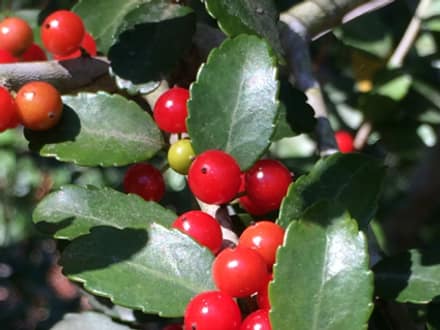
Yaupon Holly
Ilex vomitoria
An adaptable evergreen holly that takes sun or deep shade, wet or dry, and covers itself in translucent red berries that hold all winter for the birds.
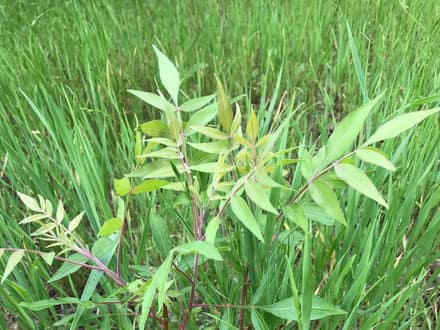
Flameleaf Sumac
Rhus lanceolata
A small native tree grown for the best red-orange fall color in central Texas, plus summer flower panicles for bees and red berry clusters that feed birds into winter..
Gayfeather
Liatris mucronata
Spires of feathery purple that open top-down in fall, when Monarchs are moving through and desperate for nectar.
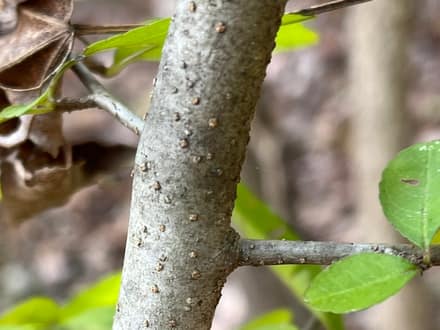
Possumhaw Holly
Ilex decidua
Drops its leaves in fall to reveal branches packed with scarlet berries that glow through winter and feed cedar waxwings and robins in late season..
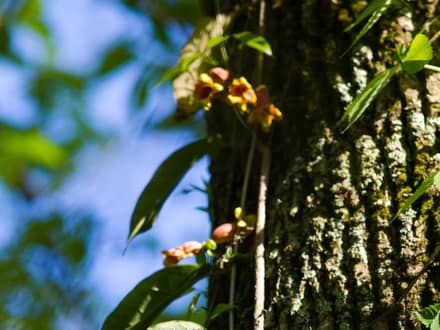
Crossvine
Bignonia capreolata
A vigorous semi-evergreen climber that covers a fence or arbor in orange-red trumpets in early spring — timed for the first returning hummingbirds.
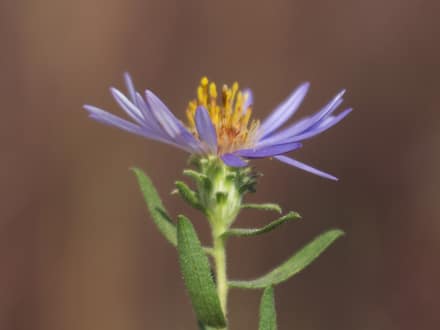
Fall Aster
Symphyotrichum oblongifolium
A mounding aster that vanishes into the background all summer, then bursts into a haze of blue-purple daisies in October — a lifeline of late nectar for pollinators..