Perennial · Deer-resistant
Gayfeather
Liatris mucronata
Also called: Blazing Star, Dotted Gayfeather
Updated 2026-09-23
Spires of feathery purple that open top-down in fall, when Monarchs are moving through and desperate for nectar. A vertical accent among grasses.
Gayfeather sends up narrow purple spikes that open from the top down, an unusual bloom order that gives it weeks of color rather than a single quick flush. It arrives in fall exactly when monarchs are passing through Texas on their way south, and its vertical form gives it a job in the garden that few other native perennials fill as cleanly: a spike of color rising out of a bed of grasses.
Growing & care
Wants sharp drainage and full sun; rots in wet clay. Grows from a corm and is very drought tough. Leave the seed heads for birds and winter form.
Where gayfeather grows in Texas
The Native Plant Society of Texas lists it across the High Plains, Edwards Plateau, Cross Timbers and Gulf Coast Prairies, growing in open fields, woods and calcareous uplands. It wants calcareous, well-drained, limestone, sandy or dry soil.
How to plant gayfeather
Plant container stock, or the corm it grows from, in fall or spring, in full sun. It performs well in a container as well as an in-ground bed, and it also holds up as a cut flower, fresh or dried.
Watering gayfeather the first year
The corm and taproot need a season of occasional water to settle in; after that it asks for almost nothing, handling drought about as well as anything else on this site.
Gayfeather care through the seasons
Cut it back once the first leaves have browned after bloom, and leave the seed heads up through winter if birds and winter form matter to the planting. Sharp drainage matters more than most other care details.
Common gayfeather problems
Wet clay or standing water is the one condition it doesn't tolerate; the roots rot in consistently soggy ground. On well-drained soil it has few other problems.
Wildlife value of gayfeather
The fall bloom is timed for the monarch migration through Texas, giving passing butterflies a reliable nectar source, and it also draws bees and other pollinators. Left standing into winter, the seed heads feed birds.
Using gayfeather in the garden
Use it as a vertical accent rising out of a bed of native grasses, where its spike form reads clearly against the surrounding texture, or group several together for a stronger fall color display. It also works well in a cutting garden given how well it holds up in arrangements.
Gayfeather FAQ
Why does gayfeather bloom from the top of the spike down?
It's simply the natural bloom order for this plant, giving each spike a longer overall bloom window than a flower that opens all at once, rather than a sign of any problem.
Can gayfeather grow in clay soil?
Not well if the clay stays wet. It needs sharp drainage and will rot in consistently soggy ground, so a raised bed or well-drained spot works better than heavy, poorly draining clay.
When should I cut back gayfeather?
Once the first leaves brown after bloom finishes. Leaving the seed heads up through winter first benefits birds and adds structure to the garden before that final cutback.
Bloom season
In bloom: Sep–Nov · Colors: purple
Where to buy
Look for gayfeather (Liatris mucronata) at: Prairie Moon Nursery, native Texas nurseries.
Sources
Range, nomenclature, and the USDA symbol above come from the federal plant record for this species. Check it yourself:
Good for
Plant it with
Natives that pair with gayfeather
Same conditions, same uses — species that share gayfeather's growing requirements and belong in the same bed.
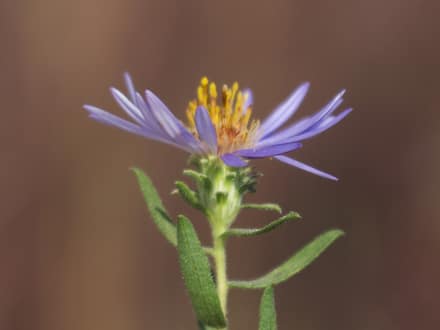
Fall Aster
Symphyotrichum oblongifolium
A mounding aster that vanishes into the background all summer, then bursts into a haze of blue-purple daisies in October — a lifeline of late nectar for pollinators..
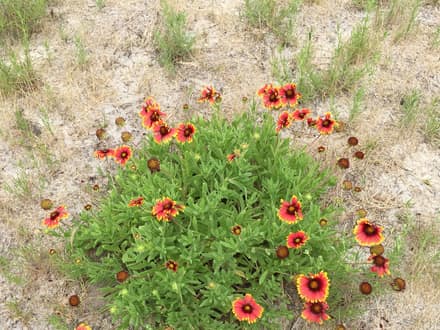
Indian Blanket
Gaillardia pulchella
The red-and-gold pinwheel daisy that blankets Texas roadsides all summer.
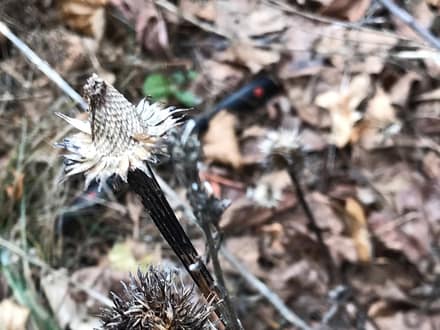
Purple Coneflower
Echinacea purpurea
A prairie staple whose big rosy daisies feed butterflies in summer and finches in winter.
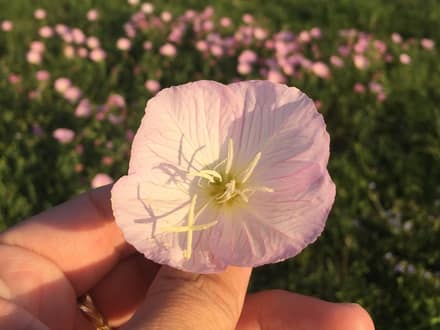
Pink Evening Primrose
Oenothera speciosa
The pink cups that wash over Texas fields and roadsides in spring.
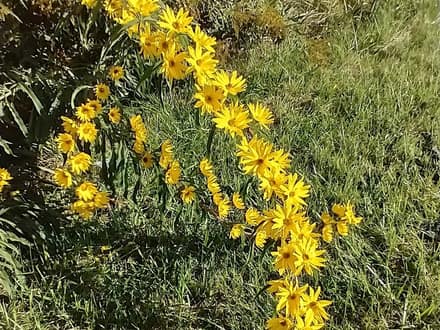
Maximilian Sunflower
Helianthus maximiliani
A towering prairie sunflower that lines its tall stems with gold in fall, feeding late pollinators and then a run of seed-eating birds.
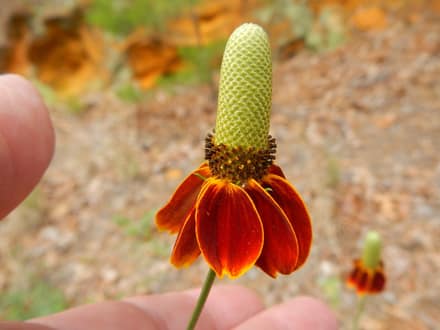
Mexican Hat
Ratibida columnifera
A whimsical prairie flower whose drooping petals form a sombrero beneath a tall central cone.