Home · Texas · Maximilian Sunflower
Perennial
Maximilian Sunflower
Helianthus maximiliani
Also called: Max Sunflower
Updated 2026-09-16
A towering prairie sunflower that lines its tall stems with gold in fall, feeding late pollinators and then a run of seed-eating birds. A back-of-border giant.
Maximilian sunflower is the tall perennial sunflower that lights up Texas roadsides and prairies in late summer and fall. Unlike the common annual sunflower, it comes back from the roots every year. Each stiff, hairy stem is lined from top to bottom with bright yellow flowers, and a mature clump can stand taller than a person.
It blooms from August into October, at the time of year when the rest of a Texas garden is worn out from summer. Bees are all over it while it flowers, and finches and other seed-eating birds show up once the seed ripens.
Growing & care
Spreads by rhizome into a big colony — give it room or edge it. Cut back by half in early summer for shorter, sturdier stems. Leave seed heads for finches.
Where Maximilian sunflower grows in Texas
The Native Plant Society of Texas lists it across much of the state: the Blackland Prairies, Cross Timbers, Central Great Plains, East Central Texas Plains, Edwards Plateau, Gulf Coast prairies and into the Chihuahuan Desert. In the wild it grows in dry open places such as prairies, bluffs, limestone glades and roadsides. It is rated for USDA zones 3 through 9, so cold is not a problem anywhere in Texas.
How to plant Maximilian sunflower
Give it full sun. In shade the stems stretch and fall over. It grows in clay, loam or sand, including limestone soils, and prefers ground that drains.
Seed works well. Sow it outdoors in fall or winter and let the cold do the work; it germinates in spring. To start seed indoors, give it a cold, moist treatment first, then plant it about 1/8 inch deep. Container plants can be set out in spring or in fall.
Plan for size. A single plant grows 4 to 8 feet tall and spreads by rhizomes into a colony, so put it at the back of a bed, along a fence or in a meadow, not in a small border.
Watering Maximilian sunflower the first year
Water new plants weekly through the first summer. After that it is a low-water plant and normal rainfall carries it through most years. Extra water and fertilizer make the stems taller and weaker, so hold back.
Maximilian Sunflower care through the seasons
The main job is keeping the height in check. An early summer haircut that removes about half of each stem gives shorter, sturdier plants that still bloom on time in fall. Without that trim, plan to stake or let neighboring plants hold it up.
After flowering, leave the seed heads standing for birds and cut the dead stems down in late winter. Every few years, dig out the spreading edges or divide the clump to keep it in its space.
Common Maximilian sunflower problems
The two complaints are flopping and spreading. Flopping comes from shade, rich soil or too much water; the early summer cutback fixes most of it. Spreading is simply how the plant grows, so plant it where it can widen or sink an edging strip around it. It is not deer resistant, so young spring growth may get browsed where deer are heavy.
Wildlife value of Maximilian sunflower
The Native Plant Society of Texas lists bees, butterflies, birds and browsing animals among its visitors, and it provides nectar, pollen, seed and forage. Late fall bloom makes it an important stop for pollinators before winter, and the seed feeds finches and other small birds into the cold months.
Using Maximilian sunflower in the garden
Use it as a tall screen along a fence, a backdrop for a prairie or meadow planting, or a large clump in a corner of the yard. Pair it with switchgrass, little bluestem and gayfeather for a prairie look, or with fall aster for purple and gold in October. The flowers also work as cut flowers.
Often confused with
The common annual sunflower (Helianthus annuus) has one large flower head or a few on branching stems and dies after one season. Maximilian sunflower is perennial, with many smaller flowers stacked up an unbranched stem and narrow, coarse leaves. Older references list it under Helianthus dalyi.
Maximilian Sunflower FAQ
Is Maximilian sunflower a perennial?
Yes. It returns from its roots every year and slowly spreads into a larger clump by rhizomes.
How tall does Maximilian sunflower get?
Usually 4 to 8 feet. An early summer cutback to about half height keeps it shorter and sturdier.
When does Maximilian sunflower bloom in Texas?
From August into October, with the heaviest bloom in early fall.
Is Maximilian sunflower invasive?
It is a Texas native, not an invasive species, but it spreads by rhizomes and can crowd smaller plants. Site it where it can spread, or contain it with edging.
Bloom season
In bloom: Aug–Oct · Colors: yellow
Where to buy
Look for maximilian sunflower (Helianthus maximiliani) at: Prairie Moon Nursery, native Texas nurseries.
Guides featuring Maximilian sunflower
- The Best Native Plants for Clay Soil in Texas
- Texas Native Plant Calendar: What to Plant, Sow and Prune by Season
Sources
Range, nomenclature, and the USDA symbol above come from the federal plant record for this species. Check it yourself:
Helianthus maximiliani (HEMA2) in the USDA PLANTS Database →
Good for
Plant it with
Natives that pair with maximilian sunflower
Same conditions, same uses — species that share maximilian sunflower's growing requirements and belong in the same bed.
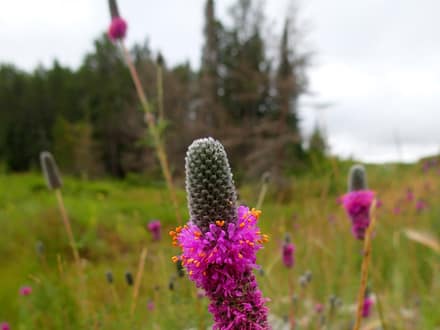
Purple Prairie Clover
Dalea purpurea
A fine-textured prairie legume with thimbles of purple bloom ringed in orange pollen.
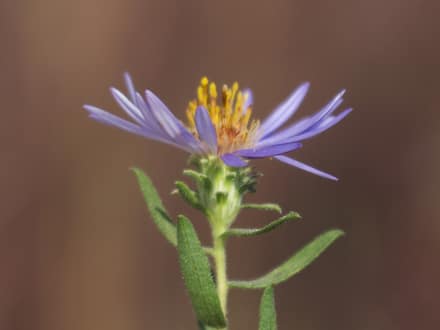
Fall Aster
Symphyotrichum oblongifolium
A mounding aster that vanishes into the background all summer, then bursts into a haze of blue-purple daisies in October — a lifeline of late nectar for pollinators..
Gayfeather
Liatris mucronata
Spires of feathery purple that open top-down in fall, when Monarchs are moving through and desperate for nectar.
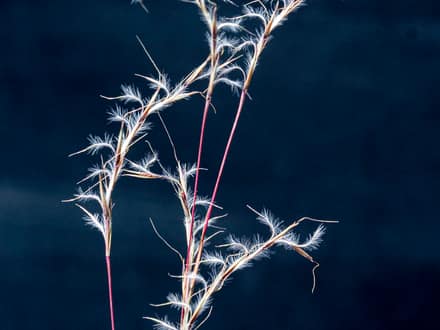
Little Bluestem
Schizachyrium scoparium
The backbone grass of the American prairie, turning coppery-mahogany in fall and silver-tufted in winter.
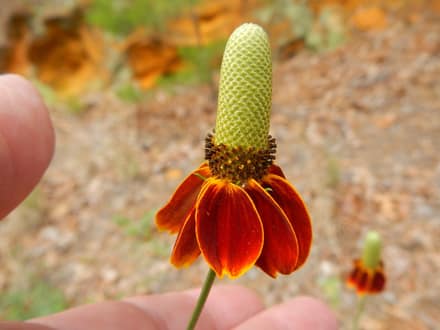
Mexican Hat
Ratibida columnifera
A whimsical prairie flower whose drooping petals form a sombrero beneath a tall central cone.
Sideoats Grama
Bouteloua curtipendula
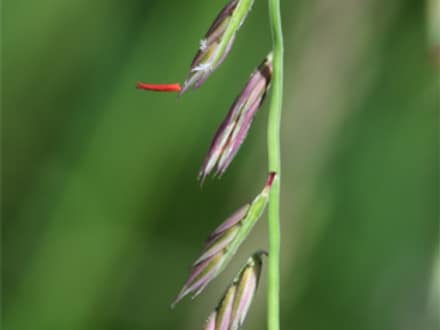
The state grass of Texas, hanging its tiny oat-like seeds along one side of each stem, tinged with orange-red pollen.