Shrub · Deer-resistant
Coralberry
Symphoricarpos orbiculatus
Also called: Indian Currant, Buckbrush
A modest suckering shrub for shade that comes into its own in fall, when the arching branches string themselves with clusters of coral-pink berries the birds strip by spring.
Growing & care
One of the best natives for dry shade under trees. Spreads to fill and hold ground — cut back in late winter to keep it tidy. Thrives on neglect.
Bloom season
In bloom: Jun–Jul · Colors: pink, green
Where to buy
Look for coralberry (Symphoricarpos orbiculatus) at: Prairie Moon Nursery, native Texas nurseries.
Sources
Range, nomenclature, and the USDA symbol above come from the federal plant record for this species. Check it yourself:
Symphoricarpos orbiculatus (SYOR) in the USDA PLANTS Database →
Good for
Plant it with
Natives that pair with coralberry
Same conditions, same uses — species that share coralberry's growing requirements and belong in the same bed.
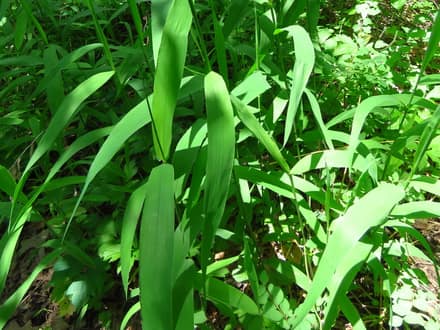
Inland Sea Oats
Chasmanthium latifolium
The rare ornamental grass that thrives in shade, dangling flat, papery seed heads that shift from green to bronze and rustle all winter.
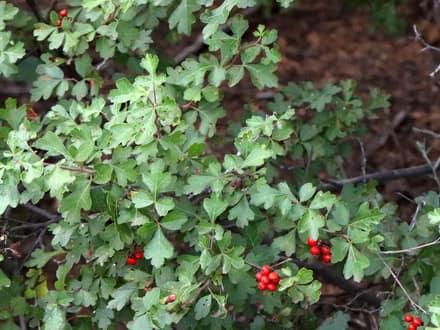
Fragrant Sumac
Rhus aromatica
A low, spreading shrub that blazes orange-red in fall and holds slopes with its suckering roots.
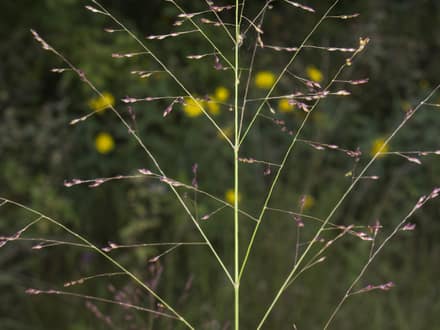
Switchgrass
Panicum virgatum
An upright prairie grass with airy pink-bronze seed clouds and gold fall color.
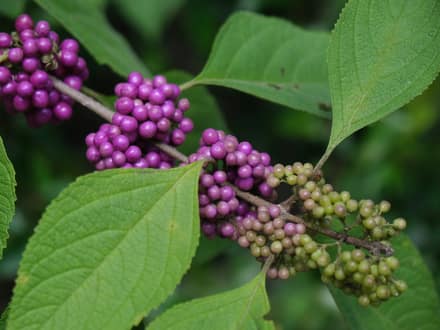
American Beautyberry
Callicarpa americana
Grown for its show-stopping clusters of electric-purple berries in fall — a feast for mockingbirds and dozens of other birds — on a graceful arching shrub..
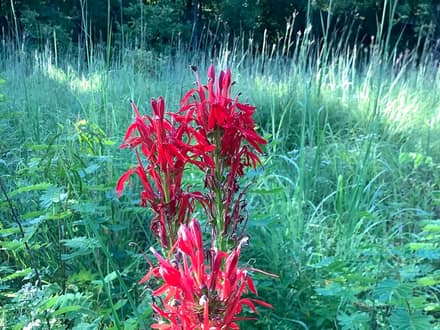
Cardinal Flower
Lobelia cardinalis
Spikes of the most intense scarlet of any native flower, rising from moist shade in late summer.
Wax Myrtle
Morella cerifera
A fast, dense, aromatic evergreen that makes an ideal privacy screen and fixes its own nitrogen.