Grass · Deer-resistant
Switchgrass
Panicum virgatum
Also called: Tall Panic Grass
Updated 2026-09-23
An upright prairie grass with airy pink-bronze seed clouds and gold fall color. Deep roots make it a top choice for erosion control, screening, and bird cover.
Switchgrass was one of the four dominant grasses that built the original American tallgrass prairie, and its deep, fibrous root system is a big part of why it held that ground so well. Above ground it shows up in a garden as an upright grass with airy, reddish-purple seed heads through fall and a clean pale yellow color once the season turns.
Growing & care
Adaptable from wet to dry once established. Choose an upright cultivar if you want it to stay vertical. Cut to the ground in late winter; leave standing for winter birds.
Where switchgrass grows in Texas
The Native Plant Society of Texas lists it across 11 ecoregions of the state, including the Central Great Plains, Edwards Plateau, High Plains and Gulf Coast Prairies, making it one of the most broadly adapted native grasses in Texas. It tolerates clay, limestone, loam, sandy or even poorly drained soil.
How to plant switchgrass
Plant container stock or divisions in spring, giving it full sun to part shade. It handles a wide range of moisture at planting time, from dry prairie ground to seasonally damp low spots, streambanks and open woods.
Watering switchgrass the first year
Water regularly through the first season while it establishes a root system, particularly in a drier planting site. It adapts to both moist and dry conditions once it's rooted in, which is part of why it works in so many different settings.
Switchgrass care through the seasons
Cut it to the ground in late winter before new growth starts, or leave some standing through winter for birds before the late-winter cutback. Divide an established clump every few years in spring if it's losing vigor or outgrowing its space.
Common switchgrass problems
It has few serious problems and is genuinely adaptable, though a straight species planting can flop or spread further than intended in a small formal bed; choosing an upright cultivar is the usual fix if a more vertical, contained form is wanted.
Wildlife value of switchgrass
It's a larval host for the Delaware skipper and dotted skipper butterflies, and its wind-pollinated seed heads feed birds through fall and winter while also supplying nesting material. Left standing over winter, it provides cover for birds when little else in the landscape does.
Using switchgrass in the garden
Use it in a mass planting or pocket prairie where its height and airy seed heads read best in groups, or as a screen along a property line. Its deep, fibrous root system also makes it one of the stronger choices for erosion control on a slope or streambank.
Switchgrass FAQ
How tall does switchgrass get?
Typically 3 to 5 feet tall with a 2 to 3 foot spread, reaching its full height and seed-head display by late summer and fall.
Is switchgrass good for erosion control?
Yes, it's one of the stronger choices for it. Its deep, fibrous root system, developed as one of the dominant grasses of the historic tallgrass prairie, holds soil well on slopes and streambanks.
Should I cut switchgrass back in fall or leave it standing?
Leaving it standing through winter provides cover and food for birds, then cutting it to the ground in late winter before new growth starts is the standard maintenance routine.
Bloom season
In bloom: Aug–Oct · Colors: pink, bronze
Where to buy
Look for switchgrass (Panicum virgatum) at: Prairie Moon Nursery, native Texas nurseries.
Guides featuring switchgrass
Sources
Range, nomenclature, and the USDA symbol above come from the federal plant record for this species. Check it yourself:
Good for
Plant it with
Natives that pair with switchgrass
Same conditions, same uses — species that share switchgrass's growing requirements and belong in the same bed.
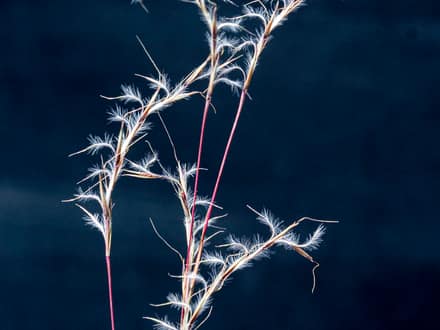
Little Bluestem
Schizachyrium scoparium
The backbone grass of the American prairie, turning coppery-mahogany in fall and silver-tufted in winter.
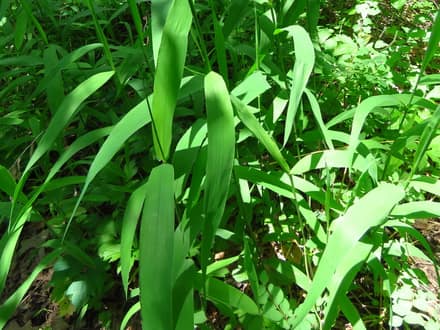
Inland Sea Oats
Chasmanthium latifolium
The rare ornamental grass that thrives in shade, dangling flat, papery seed heads that shift from green to bronze and rustle all winter.
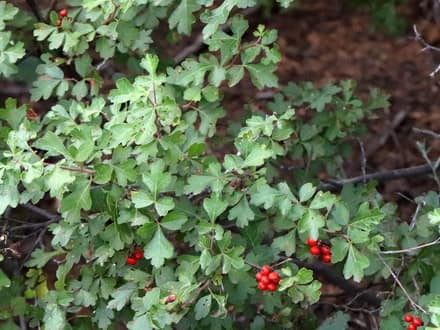
Fragrant Sumac
Rhus aromatica
A low, spreading shrub that blazes orange-red in fall and holds slopes with its suckering roots.
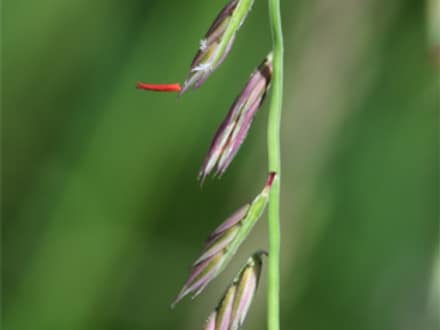
Sideoats Grama
Bouteloua curtipendula
The state grass of Texas, hanging its tiny oat-like seeds along one side of each stem, tinged with orange-red pollen.
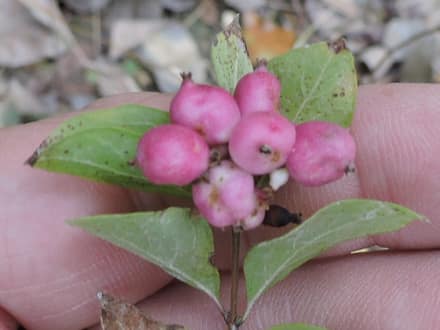
Coralberry
Symphoricarpos orbiculatus
A modest suckering shrub for shade that comes into its own in fall, when the arching branches string themselves with clusters of coral-pink berries the birds strip by spring..
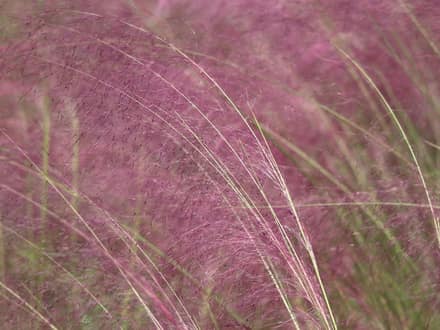
Gulf Muhly
Muhlenbergia capillaris
For a few weeks each fall this clump grass erupts into a cloud of glowing pink — the most spectacular native ornamental grass for the South..