Grass · Deer-resistant
Gulf Muhly
Muhlenbergia capillaris
Also called: Pink Muhly Grass, Hairawn Muhly
Updated 2026-09-23
For a few weeks each fall this clump grass erupts into a cloud of glowing pink — the most spectacular native ornamental grass for the South.
For most of the year gulf muhly is a plain clump of narrow green blades, nothing that would stop a passerby. Then October arrives and it disappears under a haze of airy pink seed plumes, a display so distinctive it's become one of the most recognizable native grasses grown across the South.
Growing & care
Cut back to a few inches in late winter before new growth. Needs sharp drainage and full sun for the best color. Zero supplemental water once established.
Where gulf muhly grows in Texas
The Native Plant Society of Texas places it across the East Central Texas Plains, Gulf Coast Prairies and Marshes, Texas Blackland Prairies and Western Gulf Coastal Plain, with particular strength along the coast. It naturally grows in sandy pine openings and in dry, exposed rocky or clay soil in woodlands and savannas, so it tolerates a wider range of soil than the coastal association might suggest.
How to plant gulf muhly
Plant it in full sun; it needs direct light both to stay compact and to color up well in fall. Propagate by seed sown in late winter or early spring, left uncovered since the seed needs light to germinate, or by dividing established clumps in early spring or fall. Water a newly divided clump thoroughly and keep the soil consistently moist, not soggy, for the first several weeks while new roots form.
Watering gulf muhly the first year
Once it's rooted in, it needs low to medium water and handles drought without much complaint. The main establishment task is simply keeping new divisions from drying out completely in that first month or two.
Gulf Muhly care through the seasons
It goes fully dormant in winter after its color display fades, so cutting the old growth back at that point clears the way for the next season. Divide established clumps roughly every three years; left undivided too long, a clump tends to lose vigor and bloom less impressively.
Common gulf muhly problems
It has few real problems as long as drainage is decent; the main way to lose one is heavy, waterlogged soil that keeps roots wet through winter. Full shade is the other common mistake, since it blooms far less in reduced light and loses the compact form that shows off the pink display.
Wildlife value of gulf muhly
It's a larval host for the orange skipperling, and its structure and seed production benefit birds, butterflies and small mammals looking for cover and a late-season food source.
Using gulf muhly in the garden
Use it in mass plantings or as a border where the fall bloom can read as a single sweep of color rather than isolated clumps. It also works well as a meadow-garden accent, planted where the low afternoon sun of October and November backlights the pink seed heads.
Gulf Muhly FAQ
Why didn't my gulf muhly turn pink this fall?
Too much shade is the most common cause; it needs full sun to bloom well and color up. A clump that's gone several years without dividing can also bloom less vigorously than a younger one.
How often should I divide gulf muhly?
About every three years. Older, undivided clumps tend to lose vigor and put on a less impressive fall display than a recently divided one.
Does gulf muhly need a lot of water?
No, it's drought tolerant once established and needs only low to medium water. New divisions need more consistent moisture for the first several weeks while they root in.
Bloom season
In bloom: Sep–Nov · Colors: pink
Where to buy
Look for gulf muhly (Muhlenbergia capillaris) at: native Texas nurseries, Prairie Moon Nursery, local garden centers.
Guides featuring gulf muhly
- The Best Native Plants for Clay Soil in Texas
- Native Alternatives to Common Non-Native Plants in Texas
- Texas Native Plant Calendar: What to Plant, Sow and Prune by Season
Sources
Range, nomenclature, and the USDA symbol above come from the federal plant record for this species. Check it yourself:
Muhlenbergia capillaris (MUCA2) in the USDA PLANTS Database →
Good for
Plant it with
Natives that pair with gulf muhly
Same conditions, same uses — species that share gulf muhly's growing requirements and belong in the same bed.
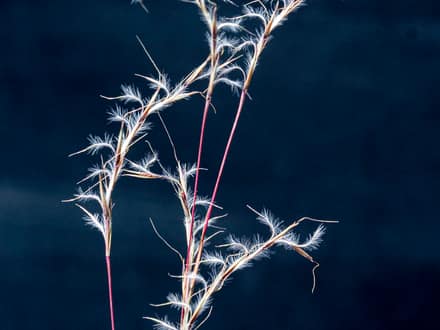
Little Bluestem
Schizachyrium scoparium
The backbone grass of the American prairie, turning coppery-mahogany in fall and silver-tufted in winter.
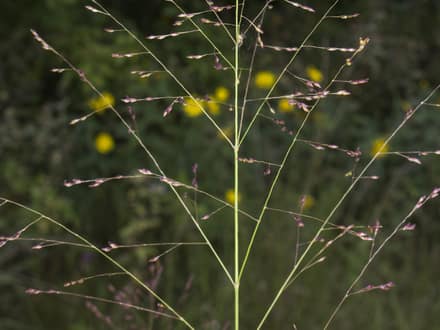
Switchgrass
Panicum virgatum
An upright prairie grass with airy pink-bronze seed clouds and gold fall color.
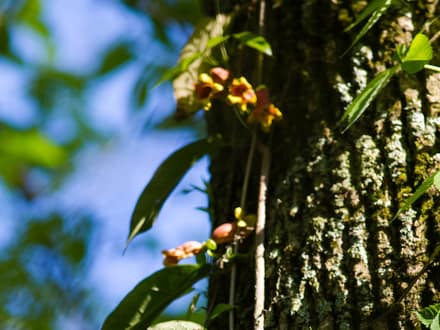
Crossvine
Bignonia capreolata
A vigorous semi-evergreen climber that covers a fence or arbor in orange-red trumpets in early spring — timed for the first returning hummingbirds.
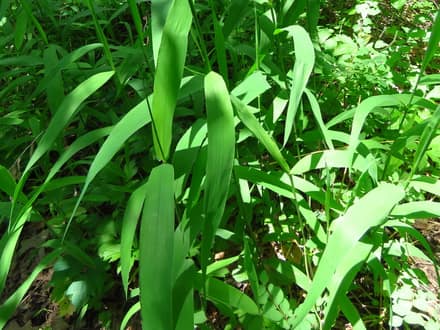
Inland Sea Oats
Chasmanthium latifolium
The rare ornamental grass that thrives in shade, dangling flat, papery seed heads that shift from green to bronze and rustle all winter.
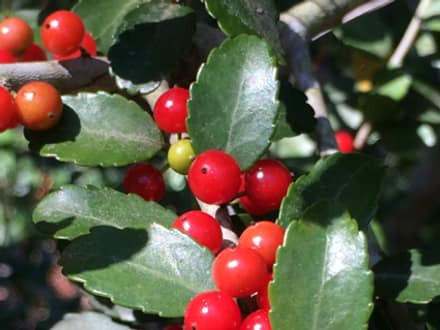
Yaupon Holly
Ilex vomitoria
An adaptable evergreen holly that takes sun or deep shade, wet or dry, and covers itself in translucent red berries that hold all winter for the birds.
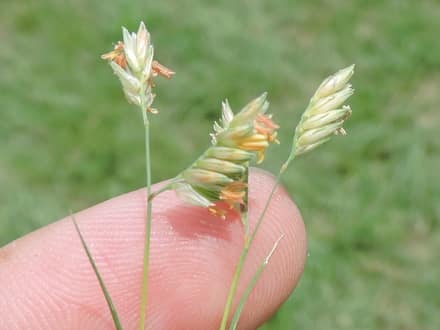
Buffalograss
Bouteloua dactyloides
North America's true native turf grass — a fine, soft, blue-green sod that forms a low lawn on a fraction of the water Bermuda or St.