Home · Texas · Black-eyed Susan
Wildflower
Black-eyed Susan
Rudbeckia hirta
Also called: Brown-eyed Susan
The classic golden prairie daisy — cheerful, tough, and endlessly reseeding. Goldfinches strip the seed heads through fall if you leave them standing.
Growing & care
Deadhead for more bloom, or leave seed heads for birds. Reseeds freely in bare soil. Tolerates clay and short droughts.
Bloom season
In bloom: May–Sep · Colors: yellow
Where to buy
Look for black-eyed susan (Rudbeckia hirta) at: Prairie Moon Nursery, Eden Brothers seed, Etsy seed sellers.
Sources
Range, nomenclature, and the USDA symbol above come from the federal plant record for this species. Check it yourself:
Good for
Plant it with
Natives that pair with black-eyed susan
Same conditions, same uses — species that share black-eyed susan's growing requirements and belong in the same bed.
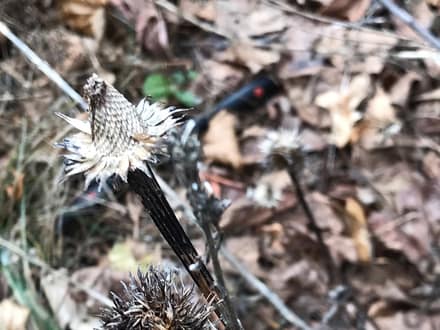
Purple Coneflower
Echinacea purpurea
A prairie staple whose big rosy daisies feed butterflies in summer and finches in winter.
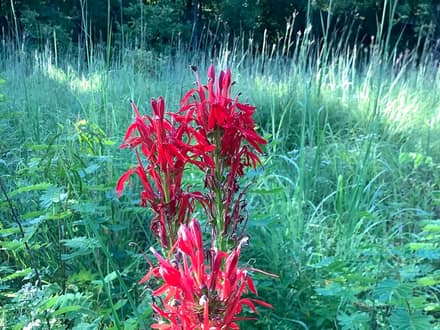
Cardinal Flower
Lobelia cardinalis
Spikes of the most intense scarlet of any native flower, rising from moist shade in late summer.
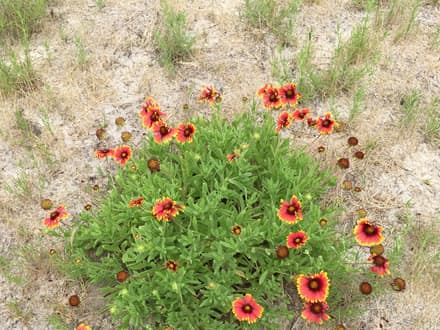
Indian Blanket
Gaillardia pulchella
The red-and-gold pinwheel daisy that blankets Texas roadsides all summer.
Gayfeather
Liatris mucronata
Spires of feathery purple that open top-down in fall, when Monarchs are moving through and desperate for nectar.
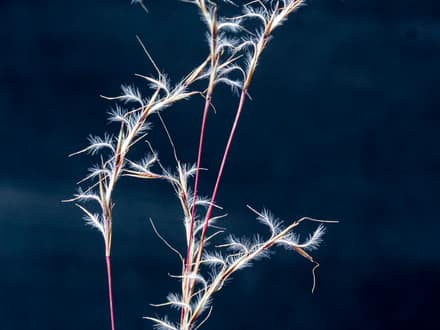
Little Bluestem
Schizachyrium scoparium
The backbone grass of the American prairie, turning coppery-mahogany in fall and silver-tufted in winter.
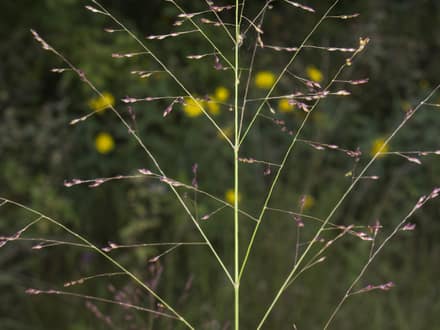
Switchgrass
Panicum virgatum
An upright prairie grass with airy pink-bronze seed clouds and gold fall color.