Tree
Texas Redbud
Cercis canadensis var. texensis
Also called: Eastern Redbud (Texas variety)
A small understory tree that lines its bare branches with magenta pea-flowers before the leaves appear — the classic first sign of a Texas spring. Glossy heart-shaped leaves follow.
Growing & care
Takes full sun to part shade and thrives on rocky, alkaline soil. Water the first two summers, then it's drought-tough. Prune only to shape when young.
Bloom season
In bloom: Mar–Apr · Colors: magenta, pink
Where to buy
Look for texas redbud (Cercis canadensis var. texensis) at: native Texas nurseries, local garden centers.
Sources
Range, nomenclature, and the USDA symbol above come from the federal plant record for this species. Check it yourself:
Cercis canadensis var. texensis (CECAT) in the USDA PLANTS Database →
Good for
Plant it with
Natives that pair with texas redbud
Same conditions, same uses — species that share texas redbud's growing requirements and belong in the same bed.
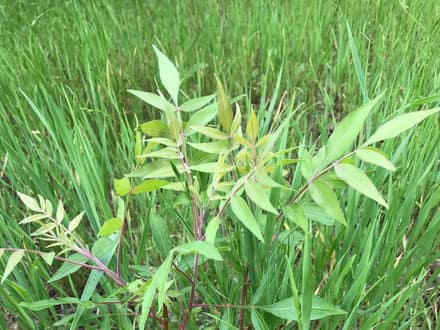
Flameleaf Sumac
Rhus lanceolata
A small native tree grown for the best red-orange fall color in central Texas, plus summer flower panicles for bees and red berry clusters that feed birds into winter..
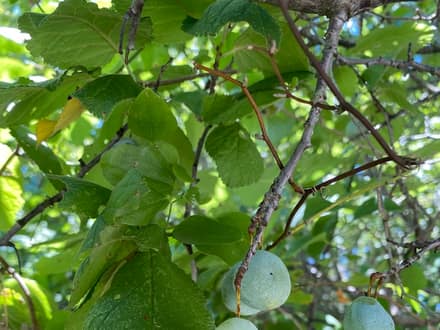
Mexican Plum
Prunus mexicana
A single-trunked native plum that clouds itself in fragrant white blossom in late winter — one of the earliest nectar sources of the year — then sets small plums the wildlife take..
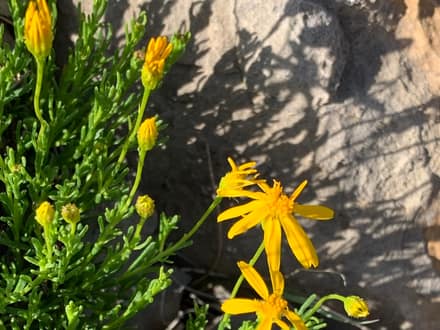
Damianita
Chrysactinia mexicana
A low evergreen cushion of fine, aromatic foliage smothered in golden daisies in spring and again in fall.
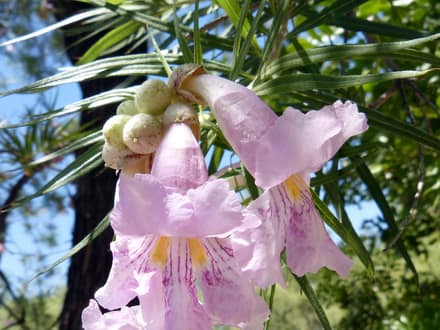
Desert Willow
Chilopsis linearis
A slender desert tree that produces orchid-like trumpet flowers all summer on almost no water.
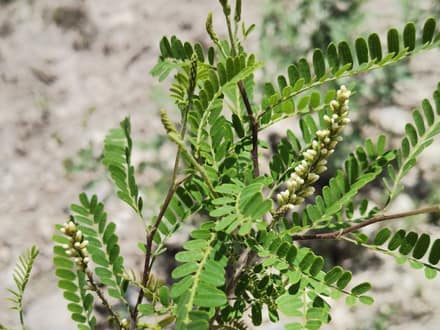
Texas Kidneywood
Eysenhardtia texana
An airy shrub that throws spikes of vanilla-scented white flowers after every rain, drawing clouds of bees and butterflies.
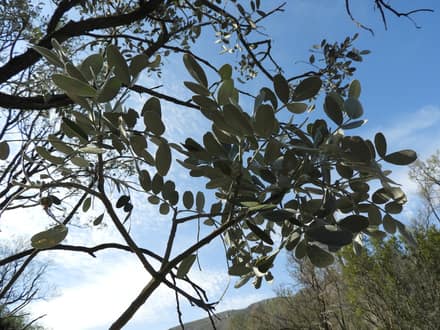
Texas Mountain Laurel
Dermatophyllum secundiflorum
A slow-growing evergreen with glossy leaves and drooping clusters of purple flowers that smell exactly like grape soda each spring.