Home · Texas · White Mistflower
Shrub · Deer-resistant
White Mistflower
Ageratina havanensis
Also called: Shrubby Boneset, Havana Snakeroot
Updated 2026-09-23
A rounded shrub that erupts in fragrant, frothy white bloom in autumn — perfectly timed for migrating Monarchs, which can cover it in numbers.
White mistflower times its bloom for exactly the moment migrating monarchs need it most. The rounded shrub stays unremarkable through summer, then breaks into a froth of small white flower clusters just as the fall monarch migration passes through Texas, and a mature plant in bloom can end up covered in butterflies at once.
Growing & care
Best on rocky, well-drained ground. The fall flush is the show; shape it in late winter. Reliably drought tolerant once established.
Where white mistflower grows in Texas
The Native Plant Society of Texas places its native range in the Edwards Plateau and Southern Texas Plains, extending into the South Plains, where it grows on rocky hillsides, bluffs, streamside ledges, limestone outcrops and slopes, and oak-juniper woodlands. It wants clay, dry, gravelly, limestone, loam or sandy soil, as long as it drains well.
How to plant white mistflower
Plant container stock in fall or winter, in a spot with sun to part shade. In hotter parts of the state, some afternoon shade helps the plant look its best through summer, though it's genuinely adaptable outside its native range as long as drainage is solid.
Watering white mistflower the first year
Water regularly through the first season while roots establish. It settles in quickly on rocky or well-drained ground and becomes reliably drought tolerant afterward.
White Mistflower care through the seasons
Cut it back by about half in winter after the fall bloom has finished, which keeps the shrub compact and encourages a fuller flush of flowers the following fall rather than a leggy, open form.
Common white mistflower problems
It has few serious problems, though bloom timing shifts with rainfall: drier conditions tend to push the peak flush later into fall, while a wetter year can bring earlier flowering, so the display isn't identical every season. Beyond that, it's a low-maintenance shrub as long as the soil drains.
Wildlife value of white mistflower
The fall flowers are timed almost exactly with the monarch migration through Texas, and a blooming plant can draw large numbers of them at once. It's also a larval host for Rawson's metalmark butterfly, and it draws hummingbirds, moths, and other pollinators beyond just monarchs.
Using white mistflower in the garden
Plant it where the fall bloom and butterfly activity will be visible up close, such as near a patio or path, or use it as part of a mixed native border built around fall interest. It pairs naturally with other fall-blooming natives like fall aster and gulf muhly for a coordinated late-season display.
White Mistflower FAQ
When does white mistflower bloom?
Mainly in fall, though the exact timing shifts with rainfall: drier years push the peak bloom later into the season, while wetter conditions can bring some flowering earlier in spring or summer too.
Does white mistflower really attract monarch butterflies?
Yes, its fall bloom lines up closely with the monarch migration through Texas, and a mature plant in full flower can draw large numbers of them at once.
How do I keep white mistflower from getting leggy?
Cut it back by about half each winter after it finishes blooming. This keeps the shrub compact and tends to produce a fuller bloom the following fall.
Bloom season
In bloom: Oct–Nov · Colors: white
Where to buy
Look for white mistflower (Ageratina havanensis) at: native Texas nurseries.
Sources
Range, nomenclature, and the USDA symbol above come from the federal plant record for this species. Check it yourself:
Good for
Plant it with
Natives that pair with white mistflower
Same conditions, same uses — species that share white mistflower's growing requirements and belong in the same bed.
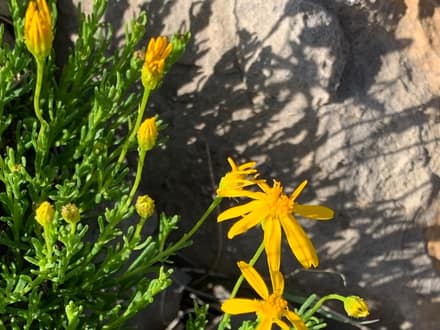
Damianita
Chrysactinia mexicana
A low evergreen cushion of fine, aromatic foliage smothered in golden daisies in spring and again in fall.
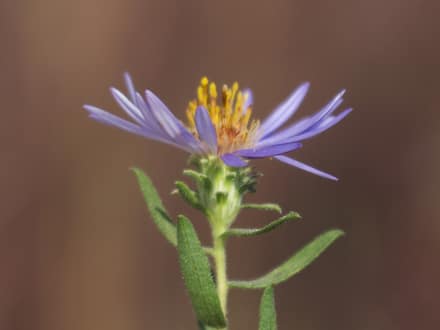
Fall Aster
Symphyotrichum oblongifolium
A mounding aster that vanishes into the background all summer, then bursts into a haze of blue-purple daisies in October — a lifeline of late nectar for pollinators..
Gayfeather
Liatris mucronata
Spires of feathery purple that open top-down in fall, when Monarchs are moving through and desperate for nectar.
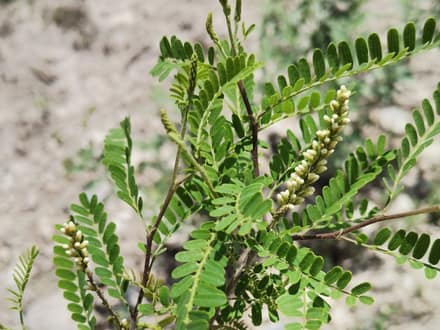
Texas Kidneywood
Eysenhardtia texana
An airy shrub that throws spikes of vanilla-scented white flowers after every rain, drawing clouds of bees and butterflies.
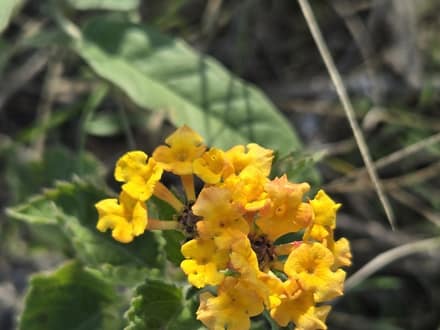
Texas Lantana
Lantana urticoides
The true native lantana, with orange-and-yellow clusters that never stop through summer heat.
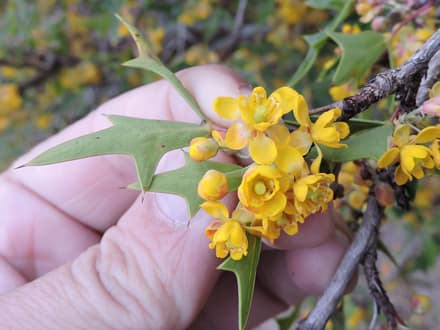
Agarita
Berberis trifoliolata
A spiny blue-grey evergreen that bees swarm in late winter and birds nest inside for protection.