Shrub · Deer-resistant
Texas Lantana
Lantana urticoides
Also called: Calico Bush, West Indian Shrubverbena
Updated 2026-09-23
The true native lantana, with orange-and-yellow clusters that never stop through summer heat. A butterfly buffet that asks for nothing but sun.
Texas lantana is the true native behind a plant most people only know as a nursery hybrid. Its orange, yellow and red clusters keep coming through the worst of summer heat, outlasting many of the non-native lantana varieties sold under the same common name, and it does the job on straight sun and neglect.
Growing & care
Cut to the ground after frost; it returns fast in spring. More heat and drought tolerant than the nursery hybrids. Full sun is essential.
Where Texas lantana grows in Texas
The Native Plant Society of Texas lists it across nine ecoregions, including the Central Great Plains, Chihuahuan Deserts, Cross Timbers, Edwards Plateau and Gulf Coast Prairies and Marshes, covering most of the state. It grows in fields, thickets, rich sandy woods and gravelly hills, tolerating caliche, clay, gravelly, loamy or sandy soil.
How to plant Texas lantana
Plant container stock in spring, in full sun; this is not a plant for a shaded bed, and it flowers noticeably less without direct sun most of the day. It wants very low to low water once established.
Watering Texas lantana the first year
Water it regularly for the first several weeks after planting, then taper off; it grows quickly and becomes reliably drought tolerant well within the first season.
Texas Lantana care through the seasons
Cut it to the ground after the first hard frost, since it dies back in winter and returns fast from the root the following spring. No other pruning is really necessary through the growing season.
Common Texas lantana problems
The berries are toxic to both people and pets, which is worth knowing in a garden used by children or animals, even though the plant itself is otherwise low-maintenance and trouble-free. Confusing it with a non-native hybrid lantana at the nursery is the other common pitfall, since the straight species is the one that best supports local wildlife.
Wildlife value of Texas lantana
It's a genuine butterfly magnet through its long April-to-November bloom, drawing butterflies, bees and nectar-seeking birds in steady numbers.
Using Texas lantana in the garden
Use it as a butterfly-garden anchor or a tough, sunny border shrub where heat and drought would stress most other flowering plants. Its 3 to 5 foot spread also makes it useful as an informal, low hedge.
Texas Lantana FAQ
Is Texas lantana the same as the lantana sold at most nurseries?
No. Most nursery lantana is a non-native hybrid, often sold as largeleaf lantana. Texas lantana is the true native species, generally more drought tolerant and better suited to supporting local butterflies and other wildlife.
Are Texas lantana berries safe to eat?
No, the berries are toxic to both humans and pets. It's worth keeping this in mind in a garden where children or animals spend time, even though the plant is otherwise easy and low-maintenance.
Does Texas lantana come back after a hard freeze?
Yes, it dies back to the ground in winter and returns quickly from the root the following spring. Cutting it back after the first hard frost is the normal seasonal routine.
Bloom season
In bloom: Apr–Oct · Colors: orange, yellow, red
Where to buy
Look for texas lantana (Lantana urticoides) at: native Texas nurseries, Prairie Moon Nursery.
Guides featuring Texas lantana
- The Best Native Plants for Clay Soil in Texas
- Native Alternatives to Common Non-Native Plants in Texas
Sources
Range, nomenclature, and the USDA symbol above come from the federal plant record for this species. Check it yourself:
Good for
Plant it with
Natives that pair with texas lantana
Same conditions, same uses — species that share texas lantana's growing requirements and belong in the same bed.
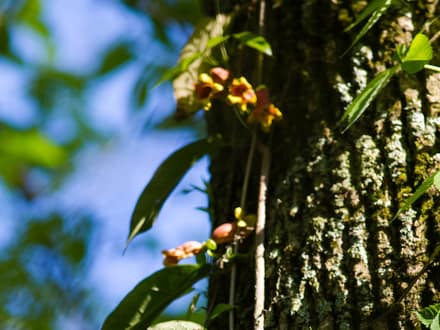
Crossvine
Bignonia capreolata
A vigorous semi-evergreen climber that covers a fence or arbor in orange-red trumpets in early spring — timed for the first returning hummingbirds.
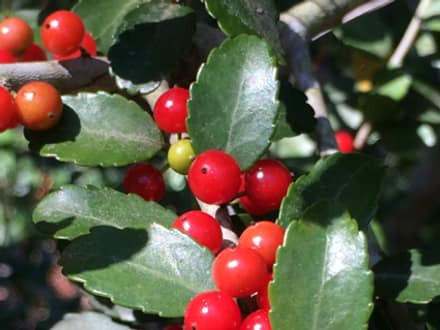
Yaupon Holly
Ilex vomitoria
An adaptable evergreen holly that takes sun or deep shade, wet or dry, and covers itself in translucent red berries that hold all winter for the birds.
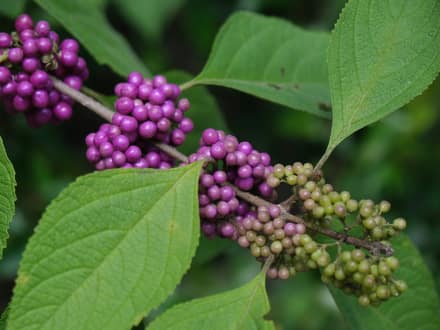
American Beautyberry
Callicarpa americana
Grown for its show-stopping clusters of electric-purple berries in fall — a feast for mockingbirds and dozens of other birds — on a graceful arching shrub..
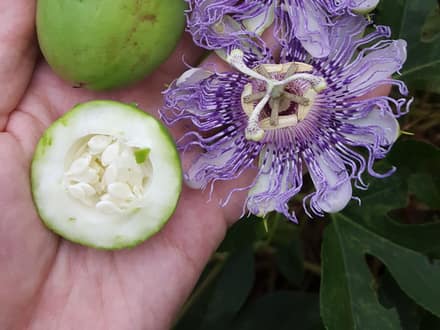
Purple Passionflower
Passiflora incarnata
An extravagant, fringed purple flower unlike anything else native, followed by egg-sized edible fruit.
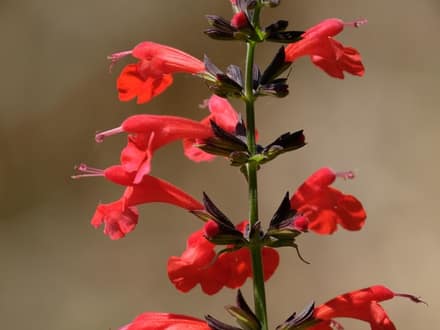
Scarlet Sage
Salvia coccinea
An easy reseeding sage that blooms scarlet from spring to frost, even in part shade — one of the few hummingbird plants that flowers reliably out of full sun..
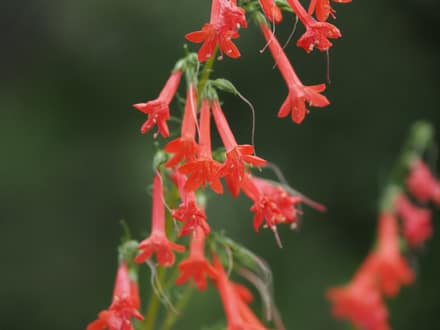
Standing Cypress
Ipomopsis rubra
A tall biennial spike of fiery red tubular flowers that hummingbirds chase up and down.