Home · Texas · Purple Passionflower
Vine
Purple Passionflower
Passiflora incarnata
Also called: Maypop, Passion Vine
An extravagant, fringed purple flower unlike anything else native, followed by egg-sized edible fruit. The essential larval host for Gulf Fritillary and other longwing butterflies.
Growing & care
Spreads by root and can wander — site where suckers are welcome or contain it. Dies back in winter and returns. Expect caterpillars; that's the point.
Bloom season
In bloom: Jun–Sep · Colors: purple
Where to buy
Look for purple passionflower (Passiflora incarnata) at: native Texas nurseries, Prairie Moon Nursery.
Sources
Range, nomenclature, and the USDA symbol above come from the federal plant record for this species. Check it yourself:
Good for
Plant it with
Natives that pair with purple passionflower
Same conditions, same uses — species that share purple passionflower's growing requirements and belong in the same bed.
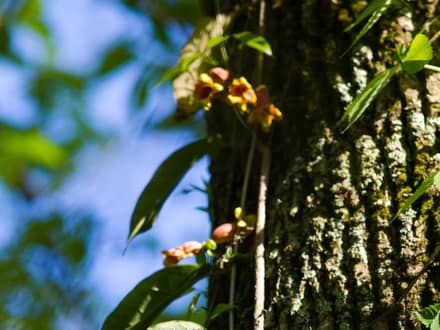
Crossvine
Bignonia capreolata
A vigorous semi-evergreen climber that covers a fence or arbor in orange-red trumpets in early spring — timed for the first returning hummingbirds.
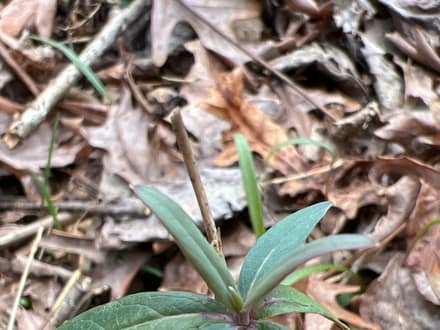
Coral Honeysuckle
Lonicera sempervirens
A well-behaved native vine — none of the invasive habit of Japanese honeysuckle — with clusters of coral trumpets that hummingbirds cannot resist..
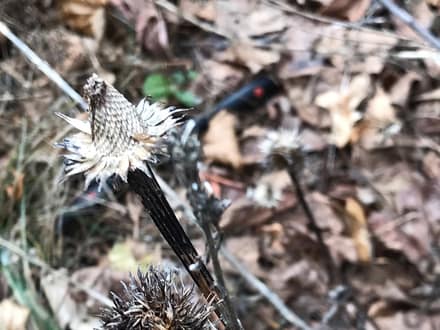
Purple Coneflower
Echinacea purpurea
A prairie staple whose big rosy daisies feed butterflies in summer and finches in winter.
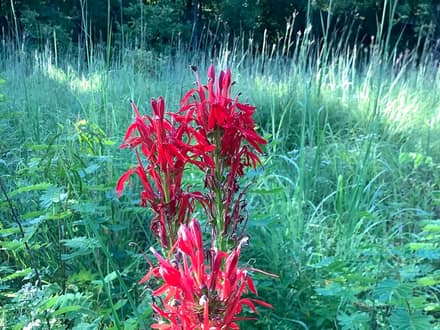
Cardinal Flower
Lobelia cardinalis
Spikes of the most intense scarlet of any native flower, rising from moist shade in late summer.
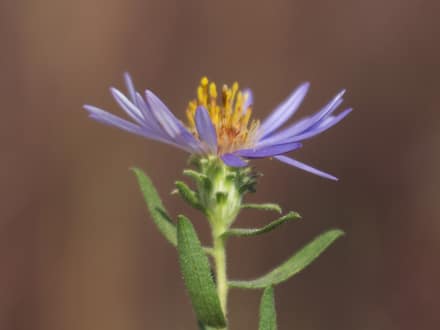
Fall Aster
Symphyotrichum oblongifolium
A mounding aster that vanishes into the background all summer, then bursts into a haze of blue-purple daisies in October — a lifeline of late nectar for pollinators..
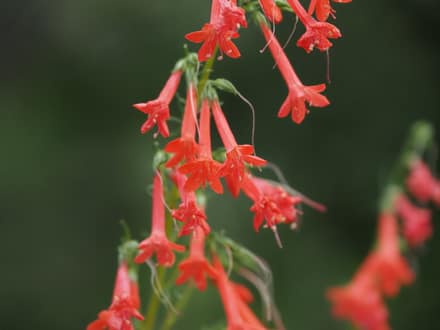
Standing Cypress
Ipomopsis rubra
A tall biennial spike of fiery red tubular flowers that hummingbirds chase up and down.