Perennial · Deer-resistant
Zexmenia
Wedelia acapulcensis var. hispida
Also called: Orange Zexmenia, Hairy Wedelia
Updated 2026-09-23
A tough, low mound of orange-gold daisies that blooms right through the summer with no help at all. One of the most drought-proof natives for the Hill Country.
Zexmenia keeps a low mound of orange-gold daisies coming from spring clear through fall, on some of the leanest, driest ground a Hill Country garden can offer. It's rough-hairy and gray-green up close, a texture that fits right in among rock gardens and caliche slopes where showier perennials tend to give up.
Growing & care
Shear after the first flush to keep it compact. Thrives in rocky, alkaline soil and full sun. Essentially indestructible once established.
Where zexmenia grows in Texas
The Native Plant Society of Texas lists it across the Chihuahuan Deserts, Edwards Plateau, Gulf Coast Prairies and Marshes and Southern Texas Plains. It grows in fields, woodland borders, thorn woodlands and desert scrublands, tolerating caliche, clay, dry, gravelly, limestone, loam or sandy soil.
How to plant zexmenia
Plant container stock in spring or fall, in full sun to part shade. It's long-lived and rugged once established, making it a reliable choice for a difficult, exposed site.
Watering zexmenia the first year
It needs minimal water to get going and even less afterward; this is a plant built for lean, dry ground from the start. A young planting rarely needs more than occasional attention through its first season.
Zexmenia care through the seasons
Shear it after the first flush of bloom to keep it compact, since without that cutback it tends to sprawl, especially with more water or shade than it wants. It responds well to this kind of periodic cutting through the growing season.
Common zexmenia problems
Excess water or too much shade is the main thing that pushes it toward a loose, sprawling form rather than its naturally tidy mound; lean, sunny conditions keep it at its best. Otherwise it's about as trouble-free as a Hill Country native gets.
Wildlife value of zexmenia
It's a larval host for the bordered patch, Sierran metalmark and Lacinia patch butterflies, and its long bloom season provides nectar and seeds for birds and butterflies alike.
Using zexmenia in the garden
Use it as a low border or mass planting on a rocky slope, in a xeriscape bed, or anywhere a tough, long-blooming groundcover-scale perennial is needed. It pairs well with other Hill Country natives that share its taste for lean, well-drained soil.
Zexmenia FAQ
Why is my zexmenia sprawling instead of staying compact?
Too much water or shade is the usual cause. It naturally forms a tidy mound in lean, sunny conditions, and richer or shadier sites tend to push it toward a looser, sprawling habit instead.
How drought tolerant is zexmenia?
Very. It's described as long-lived, rugged and easy to grow specifically because of how well it handles drought, needing only minimal water once established.
Should I cut back zexmenia during the growing season?
Yes, shearing it after the first flush of bloom helps keep it compact and encourages more flowering through the rest of the season.
Bloom season
In bloom: Apr–Nov · Colors: orange, yellow
Where to buy
Look for zexmenia (Wedelia acapulcensis var. hispida) at: native Texas nurseries, Prairie Moon Nursery.
Sources
Range, nomenclature, and the USDA symbol above come from the federal plant record for this species. Check it yourself:
Wedelia acapulcensis var. hispida (WEACH) in the USDA PLANTS Database →
Good for
Plant it with
Natives that pair with zexmenia
Same conditions, same uses — species that share zexmenia's growing requirements and belong in the same bed.
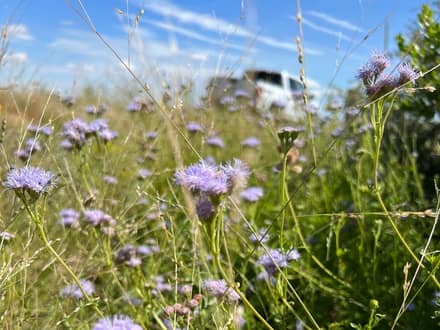
Gregg's Mistflower
Conoclinium greggii
A butterfly magnet without equal — its fuzzy blue flowers are the single best plant for pulling Queen and Monarch butterflies into a Texas garden..
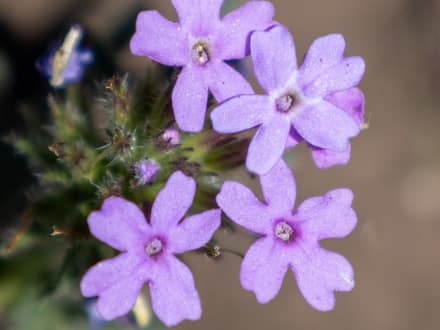
Prairie Verbena
Glandularia bipinnatifida
A low, spreading mat of purple flower clusters that bloom nearly nonstop and draw butterflies constantly.
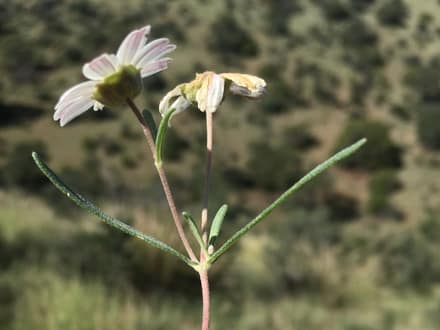
Blackfoot Daisy
Melampodium leucanthum
A tidy mound smothered in honey-scented white daisies for most of the year.
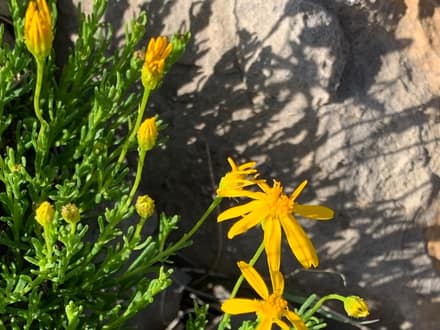
Damianita
Chrysactinia mexicana
A low evergreen cushion of fine, aromatic foliage smothered in golden daisies in spring and again in fall.
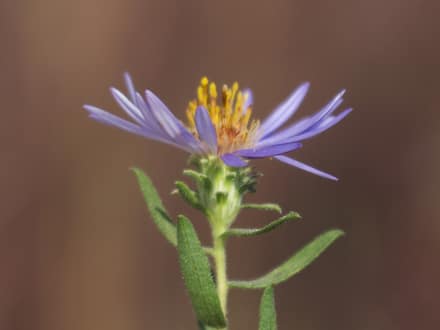
Fall Aster
Symphyotrichum oblongifolium
A mounding aster that vanishes into the background all summer, then bursts into a haze of blue-purple daisies in October — a lifeline of late nectar for pollinators..
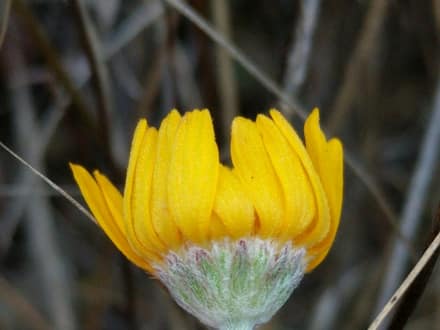
Four-nerve Daisy
Tetraneuris scaposa
A tidy evergreen tuft that lofts cheerful yellow daisies on wiry stems in nearly every month of the year.