Home · Texas · Texas Bluebonnet
Wildflower · Deer-resistant
Texas Bluebonnet
Lupinus texensis
Also called: Buffalo Clover
Updated 2026-09-11
The Texas state flower — a spring-blooming annual lupine that carpets roadsides in cobalt blue. A nitrogen-fixing legume that improves the soil it grows in.
Texas bluebonnet is the state flower, and it earns the title honestly: a single well-timed fall planting can cover a slope in deep blue every spring for years, since the plant reseeds itself if it's given the chance to finish its cycle. It's an annual, not a perennial, so the whole show depends on last fall's planting and this year's undisturbed seedpods, not on anything that survives underground through summer.
It's also a legume. Like clover or peas, its roots partner with soil bacteria to pull nitrogen out of the air, leaving the ground a little richer than it found it by the time the plants are done for the season.
Growing & care
Sow seed in fall, not spring, and press into bare soil with sun. Needs a cold season to bloom. Let it set seed and dry before mowing to keep the stand going.
Where it grows in Texas
Bluebonnet is native across Texas and does best in the same lean, well-drained, slightly alkaline soil found through much of the state's limestone country, which is a large part of why Central Texas and the Hill Country produce the thickest natural roadside stands. It performs the same way in a home planting almost anywhere in the state, as long as the bed gets full sun and doesn't stay wet.
How to plant
Plant seed in October or November; early October gives the longest head start. This is a fall-sown annual: the seedlings spend winter low to the ground and need that cold season before they'll send up flower spikes in spring. Scarify the hard seed coat first to speed germination, either by nicking it with a knife, rubbing it with sandpaper, or freezing the seed overnight and pouring boiling water over it to soak for several hours. Because bluebonnet is a legume, its roots work with a soil bacterium called Rhizobium to fix nitrogen; many Texas soils already carry it, but treating the seed with a Rhizobium inoculant before planting is the simplest way to make sure a new bed gets the full benefit. For a home bed, figure roughly 8 to 10 seeds per square foot; commercial meadow plantings use 10 to 12 pounds of seed per acre.
First-year watering
Water lightly and evenly right after planting and through germination, because the seed needs consistent moisture to sprout, but bluebonnet dislikes soil that stays saturated, so skip heavy soaking waterings. Seedlings come up in fall and spend winter as a low rosette before sending up flower spikes, typically blooming March through May. Once established, a planting needs no supplemental water through a normal Texas spring.
Care through the seasons
The single most common mistake is mowing too soon. Wait until the plants have formed mature seedpods, which takes six to eight weeks after flowering and shows as the pods turning from green to yellow to tan or dark brown; mow before that and next year's seed crop goes into the mower bag instead of the ground. Once the pods have dried and started to open on their own, it's safe to mow and clean up the bed for summer.
Common problems
A planting that doesn't come back the second year almost always failed at the reseeding step, not the growing step: the bed was mowed, weeded, or watered too heavily before the seedpods matured and shattered. Rich, heavily fertilized soil is a problem in the other direction: bluebonnet is built for lean ground and tends to flop and underperform with regular feeding. Otherwise, given full sun, decent drainage, and a fall planting date, it's a reliable, low-effort wildflower.
Wildlife value
Bees and butterflies work the flower spikes hard through the spring bloom, and because the plant fixes nitrogen in the soil, whatever's planted alongside or after it benefits from the improved ground even once the bluebonnets themselves are gone for the season.
Using it in the garden
Bluebonnet is built for mass planting; a thin scattering of plants doesn't produce the sheet-of-color effect the flower is known for, so plan on a full bed or a slope rather than a few plants tucked into a mixed border. It pairs naturally with other Texas spring annuals that share its bloom window and lean-soil preference, filling in as bluebonnet fades and extending the display into early summer.
FAQ
When should I plant Texas bluebonnet seed?
October or November, with early October giving the best results. It's a fall-planted annual: the seedlings need a cold season through winter before they'll bloom the following spring.
Why didn't my bluebonnets come back this year?
The most common cause is mowing, weeding, or clearing the bed before the seedpods matured and dropped their seed, which takes six to eight weeks after flowering. Let the pods turn from green to yellow to brown and dry out before doing anything to the bed.
Is it illegal to pick bluebonnets in Texas?
No, there's no law against picking the state flower itself. What can get you in trouble is where you pick them: picking on someone else's private property without permission is trespassing, and picking along a highway right-of-way or other government land can run into separate laws about property damage, traffic obstruction, or parking. On your own property, or with the landowner's permission, picking bluebonnets is legal.
Are bluebonnets poisonous?
The seeds contain alkaloids and can pose a risk to livestock that eat large quantities of mature seedpods when little other forage is available, but Texas's own toxic plant database doesn't list bluebonnet as a significant hazard, and it isn't a concern for people who aren't eating the plant.
Do bluebonnets need fertilizer?
No. As a nitrogen-fixing legume, bluebonnet actually performs worse in rich, well-fertilized soil, growing floppy with fewer flowers. It's built for lean, well-drained ground.
Bloom season
In bloom: Mar–May · Colors: blue
Where to buy
Look for texas bluebonnet (Lupinus texensis) at: native Texas nurseries, Eden Brothers seed, Wildseed Farms.
Sources
Range, nomenclature, and the USDA symbol above come from the federal plant record for this species. Check it yourself:
Good for
Plant it with
Natives that pair with texas bluebonnet
Same conditions, same uses — species that share texas bluebonnet's growing requirements and belong in the same bed.
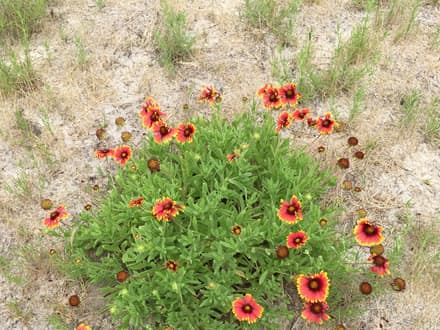
Indian Blanket
Gaillardia pulchella
The red-and-gold pinwheel daisy that blankets Texas roadsides all summer.
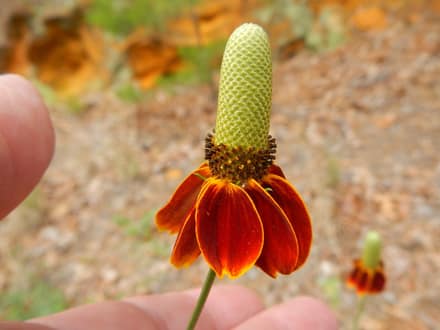
Mexican Hat
Ratibida columnifera
A whimsical prairie flower whose drooping petals form a sombrero beneath a tall central cone.
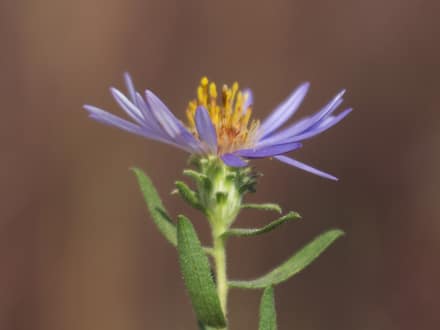
Fall Aster
Symphyotrichum oblongifolium
A mounding aster that vanishes into the background all summer, then bursts into a haze of blue-purple daisies in October — a lifeline of late nectar for pollinators..
Gayfeather
Liatris mucronata
Spires of feathery purple that open top-down in fall, when Monarchs are moving through and desperate for nectar.
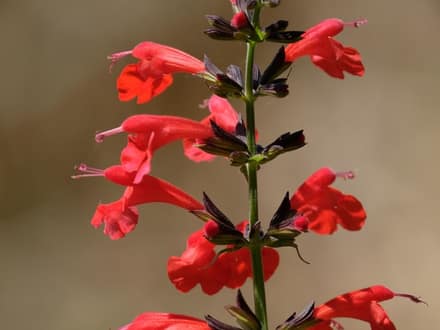
Scarlet Sage
Salvia coccinea
An easy reseeding sage that blooms scarlet from spring to frost, even in part shade — one of the few hummingbird plants that flowers reliably out of full sun..
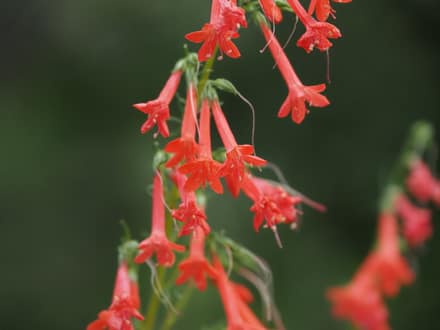
Standing Cypress
Ipomopsis rubra
A tall biennial spike of fiery red tubular flowers that hummingbirds chase up and down.