Shrub
Turk's Cap
Malvaviscus arboreus var. drummondii
Also called: Wax Mallow, Drummond's Turk's Cap
Updated 2026-09-23
The go-to native for shade that still wants color. Its whorled red 'fez' flowers feed hummingbirds all summer, followed by edible red fruit the birds love.
Turk's cap solves a problem most flowering shrubs can't: real color in real shade. Its red flowers never fully open, their petals overlapping into a loose tube with the stamen poking through, like a small twisted fez, and hummingbirds work them all summer regardless of how little direct sun the plant gets.
Growing & care
Adapts from full sun to deep shade; blooms best with a few hours of light. Dies back in hard winters and returns from the root. Cut to the ground in late winter.
Where Turk's cap grows in Texas
The Native Plant Society of Texas lists it across the Edwards Plateau, Blackland Prairies, Gulf Coast and Coastal Plain regions. It grows in grasslands and woodlands, adapting to sand, clay, limestone, well-drained, moist or dry soil.
How to plant Turk's cap
Plant container stock in spring, in anything from full sun to full shade, though a few hours of light produces the fullest bloom. It's one of the more flexible natives on this site when it comes to light.
Watering Turk's cap the first year
Water it regularly for the first month or so after planting; once it's rooted in, medium water keeps it performing well without much other attention.
Turk's Cap care through the seasons
Cut it to the ground in late winter, since it dies back hard after a cold winter and returns reliably from the root each spring. It spreads into a colony over time, which is easily controlled by pulling unwanted shoots.
Common Turk's cap problems
Cold weather kills it back to the ground most winters, which is normal rather than a sign of trouble, since it resprouts vigorously in spring. Its spreading habit can be a minor nuisance in a tightly controlled bed, though it's simple to manage by pulling.
Wildlife value of Turk's cap
It's a larval host for the white skipper butterfly, and its long June-to-November bloom draws hummingbirds, butterflies, moths and other pollinators, followed by red fruit that birds and small mammals eat.
Using Turk's cap in the garden
Use it as the go-to flowering shrub for a shady bed where color is otherwise hard to get, or as an informal colony planting beneath trees. It also does well in part sun as a pollinator planting where a bit more compact form is wanted.
Turk's Cap FAQ
Will turk's cap bloom in full shade?
It will grow and flower in full shade, though a few hours of direct light produces noticeably more bloom. It's still one of the better flowering options for a genuinely shady spot.
Is the fruit on turk's cap edible?
Birds and small mammals eat the red fruit readily, and it's traditionally been used in jellies and preserves by people as well, though as with any wild fruit, correct identification matters before eating it.
Why did my turk's cap die back to the ground?
Cold winter weather typically kills the top growth back to the ground. This is normal, not a sign the plant is failing, and it resprouts reliably from the root once spring warms up.
Bloom season
In bloom: May–Nov · Colors: red
Where to buy
Look for turk's cap (Malvaviscus arboreus var. drummondii) at: native Texas nurseries, Prairie Moon Nursery, local garden centers.
Guides featuring Turk's cap
- The Best Native Plants for Clay Soil in Texas
- Native Alternatives to Common Non-Native Plants in Texas
- Native Plants for Shade and Dry Shade in Texas
Sources
Range, nomenclature, and the USDA symbol above come from the federal plant record for this species. Check it yourself:
Malvaviscus arboreus var. drummondii (MAARD) in the USDA PLANTS Database →
Good for
Plant it with
Natives that pair with turk's cap
Same conditions, same uses — species that share turk's cap's growing requirements and belong in the same bed.
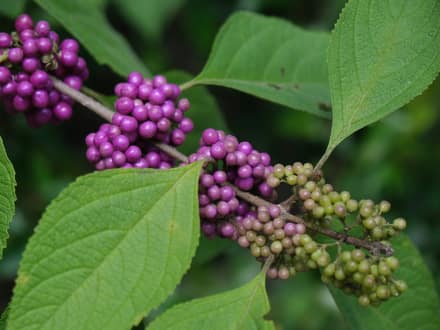
American Beautyberry
Callicarpa americana
Grown for its show-stopping clusters of electric-purple berries in fall — a feast for mockingbirds and dozens of other birds — on a graceful arching shrub..
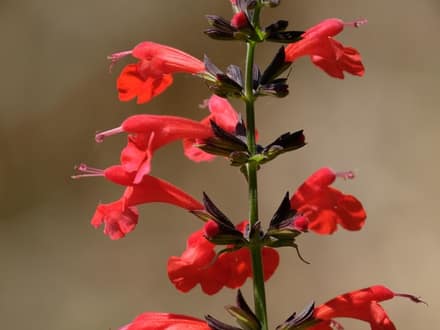
Scarlet Sage
Salvia coccinea
An easy reseeding sage that blooms scarlet from spring to frost, even in part shade — one of the few hummingbird plants that flowers reliably out of full sun..
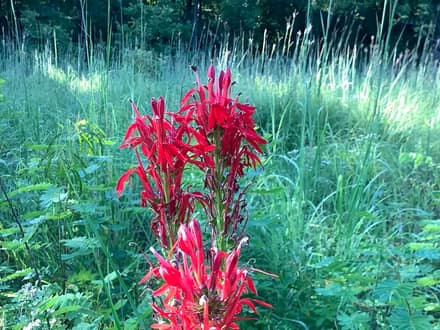
Cardinal Flower
Lobelia cardinalis
Spikes of the most intense scarlet of any native flower, rising from moist shade in late summer.
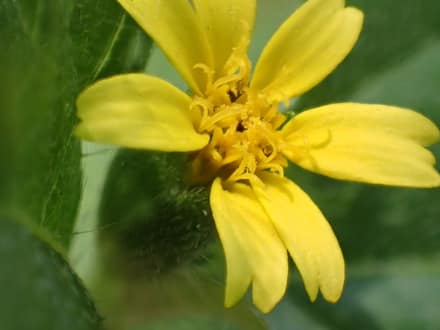
Horseherb
Calyptocarpus vialis
A soft, low groundcover that quietly replaces lawn in the shade where turf fails, threading tiny yellow flowers through its foliage for pollinators nearly year-round..
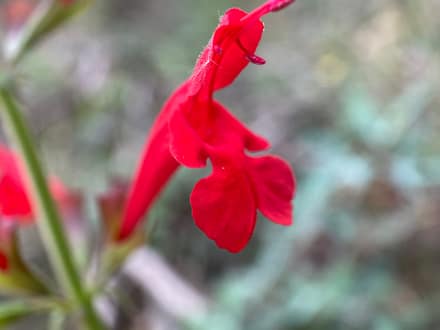
Cedar Sage
Salvia roemeriana
A little scarlet sage made for the dry shade under cedar and oak — one of the few natives that lights up those difficult spots with true red bloom..
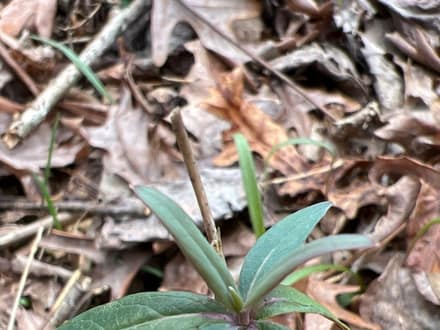
Coral Honeysuckle
Lonicera sempervirens
A well-behaved native vine — none of the invasive habit of Japanese honeysuckle — with clusters of coral trumpets that hummingbirds cannot resist..