Perennial · Deer-resistant
Cedar Sage
Salvia roemeriana
Also called: Roemer's Sage
Updated 2026-09-16
A little scarlet sage made for the dry shade under cedar and oak — one of the few natives that lights up those difficult spots with true red bloom.
Cedar sage is a small salvia from the shady limestone canyons of the Hill Country. It forms a low clump of rounded, soft green leaves and sends up thin stems of bright crimson flowers in spring, often with a second round in fall.
Its value is where it grows. Most red hummingbird plants want sun. Cedar sage wants the dry shade under junipers and oaks, which is exactly where most Central Texas gardeners struggle to get any color at all. It is also called Roemer's sage.
Growing & care
Happiest in filtered light and rocky, alkaline soil. Reseeds gently. Water through the first summer, then leave it be.
Where cedar sage grows in Texas
It is native to the Edwards Plateau, the Balcones Canyonlands and parts of the Chihuahuan Desert, growing in the shade of cedar brakes and oak woods and on shaded, rocky limestone. In gardens it does best in the Hill Country and around Austin and San Antonio, anywhere with alkaline, well-drained soil and shade. It is rated for zones 7 through 9.
Outside that area, treat it as an experiment. It has a narrower comfort zone than scarlet sage and depends on the combination of shade, lime and drainage that the Hill Country provides naturally. In acidic East Texas soil or heavy Blackland clay, scarlet sage is the easier red salvia for shade.
How to plant cedar sage
Plant it in part shade to shade. Dappled light or morning sun with afternoon shade is ideal. It needs rocky, alkaline soil that drains fast; it does not like heavy clay or thick mulch piled around its crown.
Set out small plants in spring or early fall. From seed, collect the seeds once they turn black in late spring or summer. Cuttings root in well-drained soil with rooting hormone. The plant stays about a foot tall and wide, so space plants 12 to 18 inches apart for a drift.
Watering cedar sage the first year
Water through the first summer, about once a week when it is dry. After that, leave it alone. It needs very little water, and overwatering does more damage than drought.
Cedar Sage care through the seasons
Cut off spent flower stems after the spring bloom to tidy the plant and encourage fall flowers, but leave some to set seed. Cedar sage reseeds readily, but seedlings need contact with bare soil. The Native Plant Society of Texas suggests clearing fallen leaves where you want new plants to come up, though it notes the plant is adapted to the fine leaf litter under Ashe juniper.
Common cedar sage problems
Crown rot is the main risk, caused by overwatering, heavy mulch against the stems or soil that does not drain. Too much sun leads to scorched, stressed plants. Letting a few seedlings grow each year keeps a planting full as older clumps fade.
Wildlife value of cedar sage
Hummingbirds visit the red flowers, especially in spring. Bees, butterflies and other nectar insects also use them for nectar and pollen. It is deer resistant.
Using cedar sage in the garden
Use it in the dry shade under cedars and live oaks, along a shady path or at the front of a woodland bed. Plant it with cedar sedge as a groundcover and Turk's cap behind it for a shade garden that flowers red from spring through fall. It also grows well in containers on a shaded porch.
Often confused with
Cedar sage is one of four native salvias on this site. Scarlet sage (Salvia coccinea) is also red and takes shade, but it is taller, with narrower, more pointed leaves, and it grows in a wider range of soils. Autumn sage and mealy blue sage want more sun. See the site's guide to Texas native salvias for a side-by-side comparison.
Cedar Sage FAQ
Does cedar sage need shade?
Yes. It grows best in part shade to shade and struggles in hot afternoon sun.
When does cedar sage bloom?
Mainly in spring into early summer, often with a second flush in fall.
Does cedar sage come back every year?
It is a perennial, though individual plants can be short-lived. It reseeds readily where seed reaches bare soil.
Is cedar sage deer resistant?
Yes. Like most salvias, it is seldom eaten by deer.
Bloom season
In bloom: Mar–Jun, Sep–Oct · Colors: red
Where to buy
Look for cedar sage (Salvia roemeriana) at: native Texas nurseries, Prairie Moon Nursery.
Guides featuring cedar sage
- Native Alternatives to Common Non-Native Plants in Texas
- Texas Native Salvias: Autumn, Mealy Blue, Scarlet and Cedar Sage
- Native Plants for Shade and Dry Shade in Texas
Sources
Range, nomenclature, and the USDA symbol above come from the federal plant record for this species. Check it yourself:
Good for
Plant it with
Natives that pair with cedar sage
Same conditions, same uses — species that share cedar sage's growing requirements and belong in the same bed.
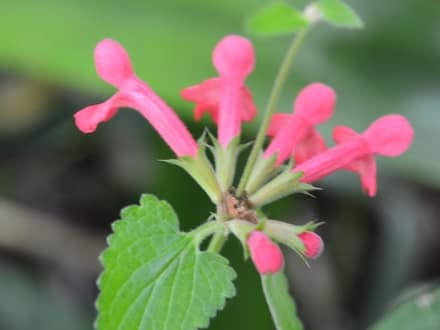
Texas Betony
Stachys coccinea
Soft mounds of felted leaves send up scarlet flower spikes for months, thriving in the part shade where few hummingbird plants will bloom..
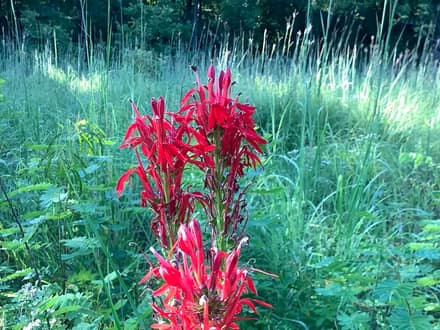
Cardinal Flower
Lobelia cardinalis
Spikes of the most intense scarlet of any native flower, rising from moist shade in late summer.
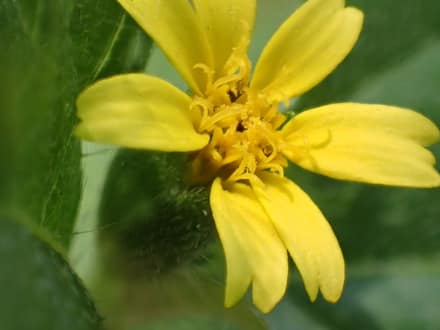
Horseherb
Calyptocarpus vialis
A soft, low groundcover that quietly replaces lawn in the shade where turf fails, threading tiny yellow flowers through its foliage for pollinators nearly year-round..
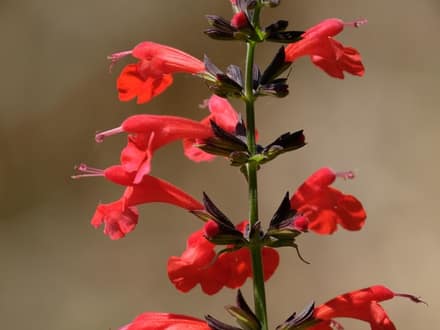
Scarlet Sage
Salvia coccinea
An easy reseeding sage that blooms scarlet from spring to frost, even in part shade — one of the few hummingbird plants that flowers reliably out of full sun..
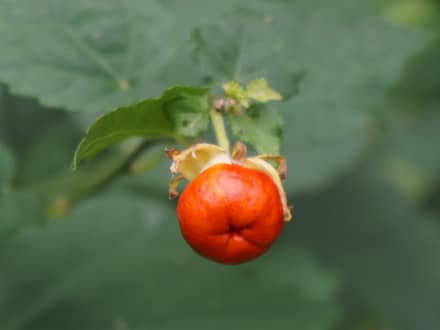
Turk's Cap
Malvaviscus arboreus var. drummondii
The go-to native for shade that still wants color.
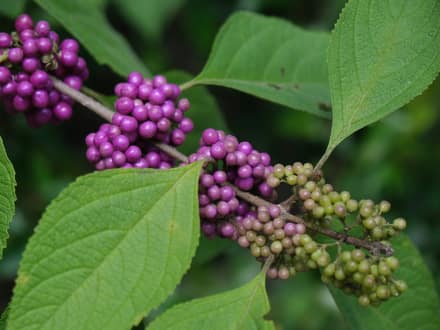
American Beautyberry
Callicarpa americana
Grown for its show-stopping clusters of electric-purple berries in fall — a feast for mockingbirds and dozens of other birds — on a graceful arching shrub..