Home · Texas · Wild Red Columbine
Perennial
Wild Red Columbine
Aquilegia canadensis
Also called: Eastern Red Columbine, Red Columbine
Updated 2026-11-14
Nodding red-and-yellow flowers with long upturned spurs over lacy blue-green leaves, blooming in late winter and spring shade when hummingbirds have little else. In Texas it grows wild on shaded limestone in the Hill Country.
Wild red columbine is one of the earliest flowers in a Texas shade garden. From late winter into spring it holds nodding red-and-yellow blooms on wiry stems, each flower with five long spurs pointing backward that hold nectar for hummingbirds and long-tongued insects. The leaves are divided into rounded lobes in threes and look a little like maidenhair fern.
It is a small plant, 1 to 3 feet tall, and short-lived, but it reseeds. Left alone, a few plants become a patch that comes back year after year.
Growing & care
Lean, well-drained soil in shade suits it far better than rich, moist beds, which rot the crown. It is short-lived, so let it drop seed and it will keep the patch going. It may go dormant in summer heat.
Where wild red columbine grows in Texas
Most of its range lies east of the Rockies, from Canada to Florida. In Texas it occurs as scattered populations in Central Texas, mainly on shaded, solution-pitted limestone in the Balcones Canyonlands, and the Native Plant Society of Texas also maps it in the northern Blackland Prairie. In gardens it grows well in Austin, San Antonio and Dallas shade beds with good drainage.
How to plant wild red columbine
Plant it in part or full shade in soil that drains well: sandy, loamy or limestone-based, and not too rich. The Wildflower Center notes that rich, moist soil makes rank growth, weak stems and a short life, while lean soil keeps it compact and long-lived. Avoid continuous full sun, which stunts and burns it. Sow seed in fall as temperatures drop; plants usually flower in their second year.
Watering wild red columbine the first year
Water new transplants until they root, then go easy. Overwatering in summer is the usual way people lose it, since soggy soil rots the crown.
Wild Red Columbine care through the seasons
Snip spent flowers to stretch the bloom, then leave the last flush to set seed so the patch renews itself. Cut back old stems once they yellow. It may go dormant in summer heat without water and reappear in fall.
Common wild red columbine problems
Most losses come from crown rot in soggy ground. In very hot summers the foliage can go dormant. It crosses readily with other columbines, so keep yellow garden columbines away if you want true red seedlings. Deer resistance is rated moderate.
Wildlife value of wild red columbine
Hummingbirds, bees, butterflies and hawk moths visit the flowers, and finches and buntings eat the seed. It is a larval host for the columbine duskywing butterfly.
Using wild red columbine in the garden
Plant it in drifts under deciduous trees, along a shady path, or in the gaps of a rock wall, where it gets drainage and shade. It pairs well with cedar sage, which blooms red in the same season, and with cedar sedge as a low, green base. A container on a shady porch suits it as well.
Wild Red Columbine FAQ
Does columbine grow in Texas shade?
Yes. Wild red columbine needs part to full shade in Texas and grows wild on shaded limestone in Central Texas.
Why did my columbine die after a year or two?
Individual plants only live a few years, and wet summer soil rots the crown. Let it reseed and keep it in lean, well-drained soil.
What about golden or Hinckley's columbine?
Golden columbine (Aquilegia chrysantha) is the yellow species native to canyon seeps in far West Texas; Hinckley's is a rare variety of it. It needs the same shade and drainage, and it will cross with red columbine if planted nearby.
Bloom season
In bloom: Feb–May · Colors: red, yellow
Where to buy
Look for wild red columbine (Aquilegia canadensis) at: native Texas nurseries, native plant society sales.
Guides featuring wild red columbine
Sources
Range, nomenclature, and the USDA symbol above come from the federal plant record for this species. Check it yourself:
Good for
Plant it with
Natives that pair with wild red columbine
Same conditions, same uses — species that share wild red columbine's growing requirements and belong in the same bed.
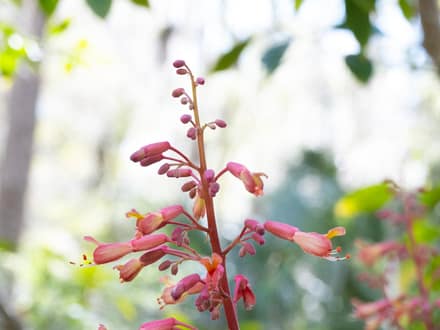
Red Buckeye
Aesculus pavia
A small understory tree that puts up foot-long spikes of red tubular flowers in early spring, right as the first hummingbirds come north.
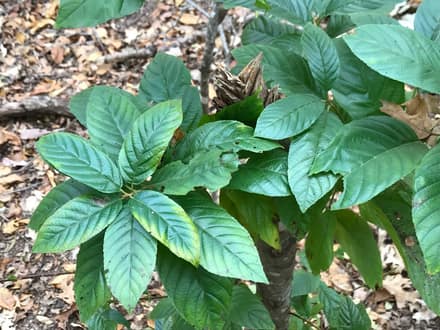
Carolina Buckthorn
Frangula caroliniana
An open, thornless understory tree with glossy leaves and berries that go from red to black through late summer and fall, a steady food source for songbirds.
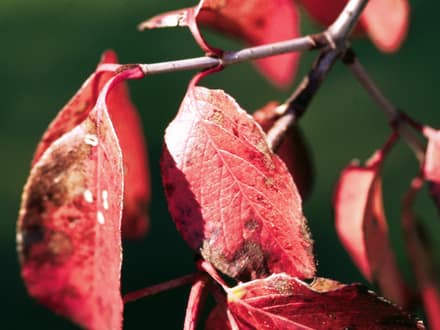
Rusty Blackhaw Viburnum
Viburnum rufidulum
A slow, tidy understory tree with flat white flower clusters in spring, blue-black fruit that birds take in fall, and glossy leaves that turn red, pink and purple before they drop..
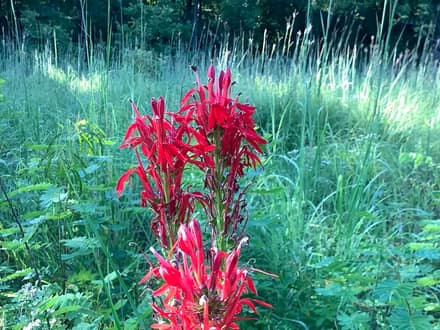
Cardinal Flower
Lobelia cardinalis
Spikes of the most intense scarlet of any native flower, rising from moist shade in late summer.
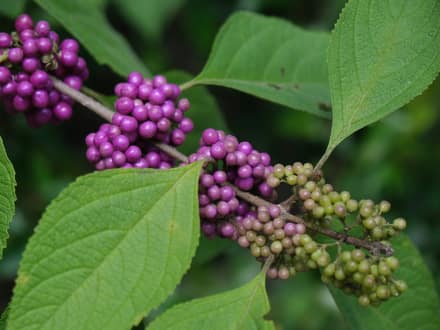
American Beautyberry
Callicarpa americana
Grown for its show-stopping clusters of electric-purple berries in fall — a feast for mockingbirds and dozens of other birds — on a graceful arching shrub..
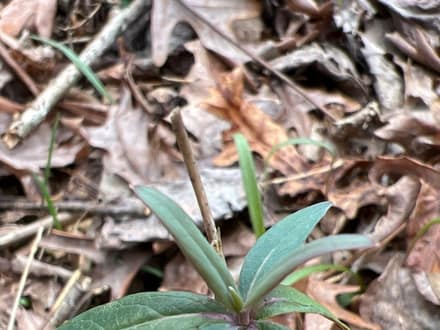
Coral Honeysuckle
Lonicera sempervirens
A well-behaved native vine — none of the invasive habit of Japanese honeysuckle — with clusters of coral trumpets that hummingbirds cannot resist..