Perennial
Pigeonberry
Rivina humilis
Also called: Rouge Plant, Bloodberry, Baby-peppers
Updated 2026-11-14
A knee-high woodland perennial that flowers pale pink and carries glossy red berries on the same stem at once, often for months. Birds eat the fruit, and it fills the bare ground under trees where grass quits.
Pigeonberry fills the ground beneath Texas shade trees, where turf gives up. It is a soft, knee-high perennial that grows in the herb layer beneath trees and shrubs, and it does something few shade plants manage: it flowers and fruits on the same stem at the same time. Small white to pale pink flowers open on the last few inches of each stalk while the lower part is already hung with glossy, almost see-through red berries.
Those berries are why birds visit, and why the plant earns a spot in a wildlife yard. They are also why it is called rouge plant: the red juice was once used as a cosmetic. Treat it as an ornamental only, because the fruit and leaves are toxic if eaten.
It stays small, usually 1 to 3 feet tall, and spreads by seed into a loose colony rather than a tight carpet.
Growing & care
Light shade and soil that drains are all it asks. In a dry summer it may drop its leaves and sit dormant until rain returns, so water it during drought if you want it green. Fruit and leaves are toxic if eaten.
Where pigeonberry grows in Texas
The Native Plant Society of Texas maps pigeonberry across most of the state: the Edwards Plateau, Cross Timbers, Blackland Prairies, East Central Texas Plains, Gulf Coast Prairies and Marshes, the Southern Texas Plains, the Western Gulf Coastal Plain and parts of the Chihuahuan Desert. In the wild it grows in moist or alluvial soil in partial shade, along creeks, in oak woods and thickets, and in canyons. That range makes it one of the few shade plants on this site that works from San Antonio and the Rio Grande Valley up to Dallas.
How to plant pigeonberry
Plant it where it gets light shade: under a high tree canopy, on the north or east side of a building, or at the edge of a woodland bed. The Wildflower Center lists sand, loam, clay and limestone soils as fine as long as they drain. Fall planting gives roots a cool season to settle before summer. Set plants about a foot or a foot and a half from each other; seedlings close the gaps on their own.
Watering pigeonberry the first year
Water new plants once or twice a week through their first summer. After that, plan on an occasional deep soak in long dry spells if you want it to stay green.
Pigeonberry care through the seasons
Very little. Trim it back lightly if it gets leggy, and pull seedlings that come up where you don't want them. Without summer water it can drop its leaves and sit dormant until rain returns; that is a survival habit, not a dead plant. Native Plant Society of Texas members also report it growing in full sun with no added water, though it looks fuller in shade.
Common pigeonberry problems
The main complaint is that it spreads. Birds carry the seed, and it can turn up in nearby beds. In a dry summer without watering it may look ragged or go dormant. Keep it away from spots where small children or pets might eat the berries, since the fruit and leaves are toxic.
The Wildflower Center rates its deer resistance as moderate, so in heavy deer country expect some browsing.
Wildlife value of pigeonberry
Many kinds of birds eat the red fruit, and because it can bloom and fruit over a long season, it feeds them for months rather than weeks. Bees and butterflies visit the flowers. In South Texas it is a larval host for Goodson's greenstreak, a small hairstreak butterfly.
Using pigeonberry in the garden
Use it as the low layer under a shade tree, mixed with turk's cap and cedar sedge, or as a filler at the front of a shady bed where its berries are easy to see. A pot of it on a shaded patio works too. In a woodland-style yard, let it seed into the gaps between shrubs.
Pigeonberry FAQ
Will pigeonberry grow in dry shade?
It tolerates dry soil under trees, but in a long dry summer it may drop leaves and go dormant until rain. An occasional deep watering keeps it green. For the very driest spots, cedar sedge and horseherb are tougher.
Are pigeonberry berries poisonous?
Yes. The Wildflower Center warns that the fruit and leaves are toxic if eaten. Birds eat the berries safely.
How tall does pigeonberry get?
Usually 1 to 3 feet. It can reach about 6 feet in rare cases, but in a garden it stays knee-high or lower.
Bloom season
In bloom: Mar–Oct · Colors: white, pink
Where to buy
Look for pigeonberry (Rivina humilis) at: native Texas nurseries, native plant society sales.
Guides featuring pigeonberry
- Native Plants for Dallas-Fort Worth: What to Grow on Black Clay and Limestone
- Native Plants for Shade and Dry Shade in Texas
- Native Shrubs for Shade in Texas: Picks by Size, Region and Use
Sources
Range, nomenclature, and the USDA symbol above come from the federal plant record for this species. Check it yourself:
Good for
Plant it with
Natives that pair with pigeonberry
Same conditions, same uses — species that share pigeonberry's growing requirements and belong in the same bed.
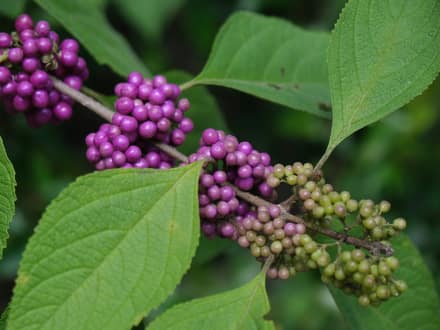
American Beautyberry
Callicarpa americana
Grown for its show-stopping clusters of electric-purple berries in fall — a feast for mockingbirds and dozens of other birds — on a graceful arching shrub..
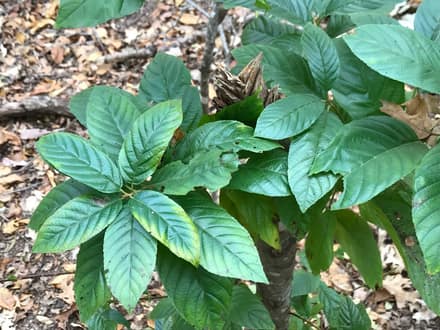
Carolina Buckthorn
Frangula caroliniana
An open, thornless understory tree with glossy leaves and berries that go from red to black through late summer and fall, a steady food source for songbirds.
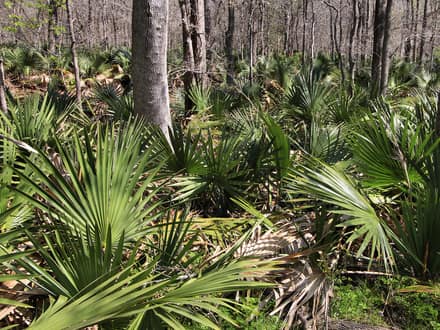
Dwarf Palmetto
Sabal minor
A trunkless native palm with big blue-green fans that stays evergreen in deep shade and wet, poorly drained soil.
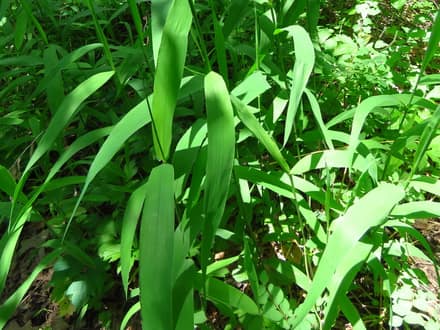
Inland Sea Oats
Chasmanthium latifolium
The rare ornamental grass that thrives in shade, dangling flat, papery seed heads that shift from green to bronze and rustle all winter.
Rusty Blackhaw Viburnum
Viburnum rufidulum
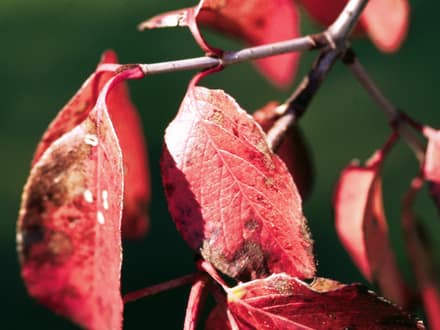
A slow, tidy understory tree with flat white flower clusters in spring, blue-black fruit that birds take in fall, and glossy leaves that turn red, pink and purple before they drop..
Wax Myrtle
Morella cerifera
A fast, dense, aromatic evergreen that makes an ideal privacy screen and fixes its own nitrogen.